
Water damage is one of the most common and costly issues homeowners face. It can silently undermine the structural integrity of your home, destroy personal belongings, and create an environment for mold and mildew growth. Unfortunately, many homeowners only realize the severity of water damage after significant problems have occurred. Recognizing the early warning signs is crucial for preventing costly repairs and protecting your home’s value. This article explores the subtle indicators of water damage that often go unnoticed.
Discoloration and Stains on Walls and Ceilings
One of the first signs of water damage is discoloration on your walls or ceilings. Brown, yellow, or dark spots often indicate a leak or prolonged exposure to moisture. While a small stain may seem harmless, it can signal a bigger underlying problem, such as a leaking roof, plumbing issue, or poor sealing around windows. Ignoring these early signs of water damage can result in structural damage and promote the growth of mold, which can compromise indoor air quality and pose health risks.
Peeling or Bubbling Paint
Peeling, cracking, or bubbling paint is another subtle indicator of water damage. Moisture trapped behind walls can weaken the paint’s adhesion and cause visible imperfections. This often occurs in areas like bathrooms, kitchens, or basements where water exposure is more frequent. Homeowners often mistake peeling paint for normal wear and tear, but in reality, it could indicate hidden water damage that requires immediate attention to prevent further deterioration.
Warped or Buckled Flooring
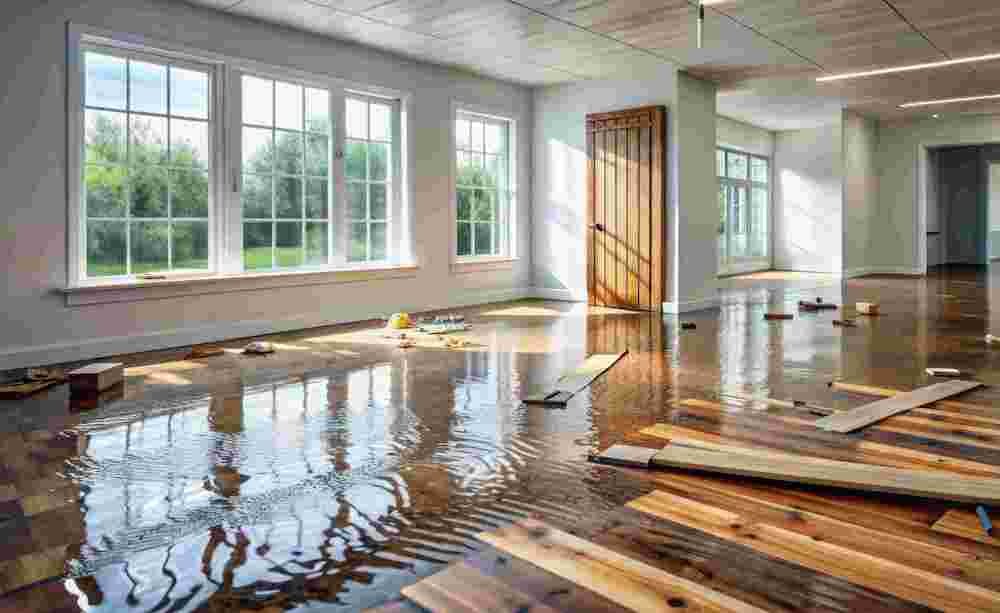
Water damage can significantly affect your flooring, especially if your home has hardwood, laminate, or engineered wood floors. Warping, buckling, or gaps between floorboards may appear due to excessive moisture or flooding. In basements, these issues are often caused by groundwater infiltration or poor drainage systems. Catching these warning signs early can help prevent expensive floor replacement and structural damage to your home.
Musty Odors
A persistent musty smell in your home is a strong indicator of hidden water damage. This odor often comes from mold or mildew thriving in damp areas that may not be immediately visible, such as under carpets, behind walls, or beneath flooring. Musty odors should never be ignored, as they can signal long-term water damage and potential health risks, particularly for individuals with respiratory issues.
Stains on Carpets and Rugs
Water damage is not always visible on walls or ceilings. Wet spots, discoloration, or lingering dampness on carpets and rugs can indicate leaks or flooding. Even small amounts of water can seep into carpets and padding, leading to mold growth and structural damage beneath the floor. Regular inspection of carpets, especially in basements or near water sources, is essential for identifying early water damage.
Increased Water Bills
Unexpected increases in your water bill can be a warning sign of water damage caused by hidden leaks. A constant, unexplained rise in water usage may indicate leaks in pipes, toilets, or appliances. Homeowners often overlook this sign, attributing higher bills to increased usage. Monitoring your water bills and investigating sudden spikes can prevent minor leaks from escalating into significant water damage problems.
Condensation on Windows and Walls
Excessive condensation on windows, walls, or pipes may indicate high humidity levels or hidden water intrusion. Condensation alone might not cause immediate damage, but prolonged moisture can weaken structural elements and encourage mold growth. Pay attention to areas that consistently experience condensation, especially in bathrooms, kitchens, and basements. Addressing these issues early helps prevent extensive water damage.
Sagging Ceilings or Walls
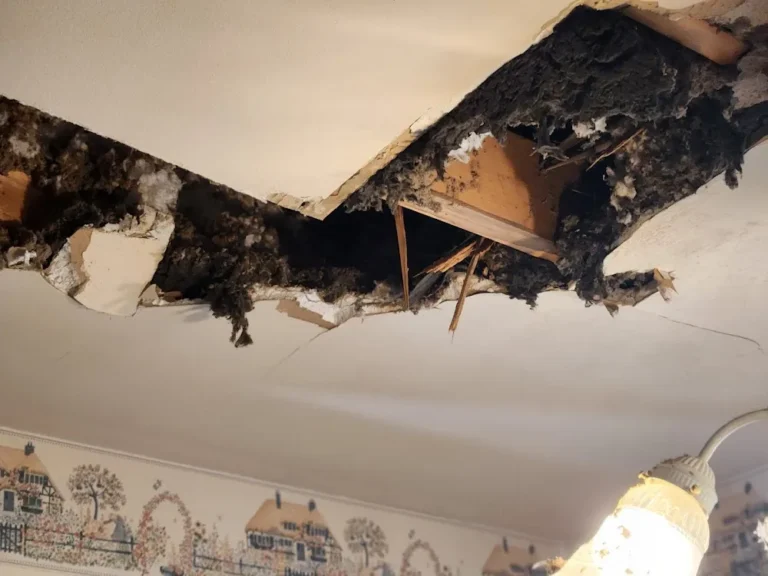
Sagging or uneven ceilings and walls are often a sign of severe water damage. This typically results from prolonged exposure to water from roof leaks, plumbing issues, or flooding. Homeowners may notice subtle dips or bulges before they become more prominent. Ignoring sagging ceilings can be dangerous, as it may indicate structural weakening that could lead to costly repairs or even safety hazards.
Mold and Mildew Growth
Mold and mildew are clear indicators of water damage and excess moisture in your home. They often appear as black, green, or white spots on walls, ceilings, or in hidden areas like under sinks and behind appliances. Mold can spread quickly, compromising indoor air quality and causing health issues, including respiratory problems and allergic reactions. Regular inspections and proper ventilation can help prevent mold growth linked to water damage.
Rust on Appliances or Fixtures
Rust forming on metal appliances, plumbing fixtures, or water heaters can indicate water leakage and exposure to moisture. While rust may seem like a cosmetic issue, it often points to underlying water damage that needs attention. Early detection can prevent further corrosion, appliance failure, and damage to surrounding areas.
Cracked or Damaged Foundation
Water damage can weaken your home’s foundation over time, causing cracks, settling, or uneven floors. Homeowners often miss early signs of foundation issues until they become severe, resulting in costly repairs. Regularly inspecting your home’s foundation for cracks, water pooling, or erosion can help identify water damage before it compromises structural stability.
Leaking or Dripping Pipes
One of the most obvious yet frequently overlooked warning signs of water damage is leaking or dripping pipes. Slow leaks may go unnoticed for months but can lead to significant damage over time. Plumbing leaks can affect walls, ceilings, flooring, and even the foundation, emphasizing the importance of routine inspections and prompt repairs.
Water Damage in the Attic or Roof
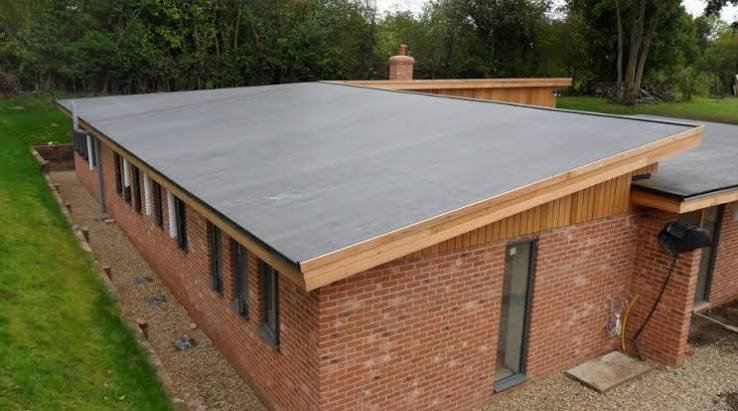
Attics and roofs are common sources of water intrusion. Look for dark spots, wet insulation, sagging areas, or even daylight coming through roofboards. Roof leaks can result from damaged shingles, poor flashing, or clogged gutters, and they can cause extensive water damage if left unaddressed. Regular maintenance and inspections of your roof and attic are essential for preventing costly repairs.
Tips to Prevent Water Damage
Being proactive is the key to avoiding severe water damage. Homeowners should:
- Conduct routine inspections of roofs, gutters, plumbing, and basements
- Maintain proper drainage around the home to prevent flooding
- Address leaks and moisture issues immediately
- Use water detection devices or smart sensors to catch leaks early
- Ensure proper ventilation in areas prone to moisture, such as bathrooms and kitchens
Conclusion
Water damage is a hidden threat that can silently compromise your home’s structure, aesthetics, and safety. By staying vigilant and recognizing the subtle warning signs—like discoloration, peeling paint, musty odors, warped flooring, and unexpected water bills—homeowners can take swift action to mitigate damage. Early detection and prompt repairs not only protect your investment but also ensure a safe and healthy living environment. Ignoring minor signs of water damage often leads to major financial and structural consequences, making awareness and prevention essential for every homeowner.
Homeowners who take water damage seriously can avoid extensive repairs and maintain the value and safety of their homes. Regular inspections, proper maintenance, and awareness of the often-missed warning signs are the best defenses against the costly and disruptive effects of water damage.