

Water damage is one of the most common and costly problems homeowners face. It can occur slowly over time, often going unnoticed until serious damage has been done, or it can strike suddenly through a burst pipe or storm. Understanding the causes of water damage in homes is essential for prevention, early detection, and effective repair. Here are five common causes that homeowners should be aware of.
Leaking or Burst Pipes
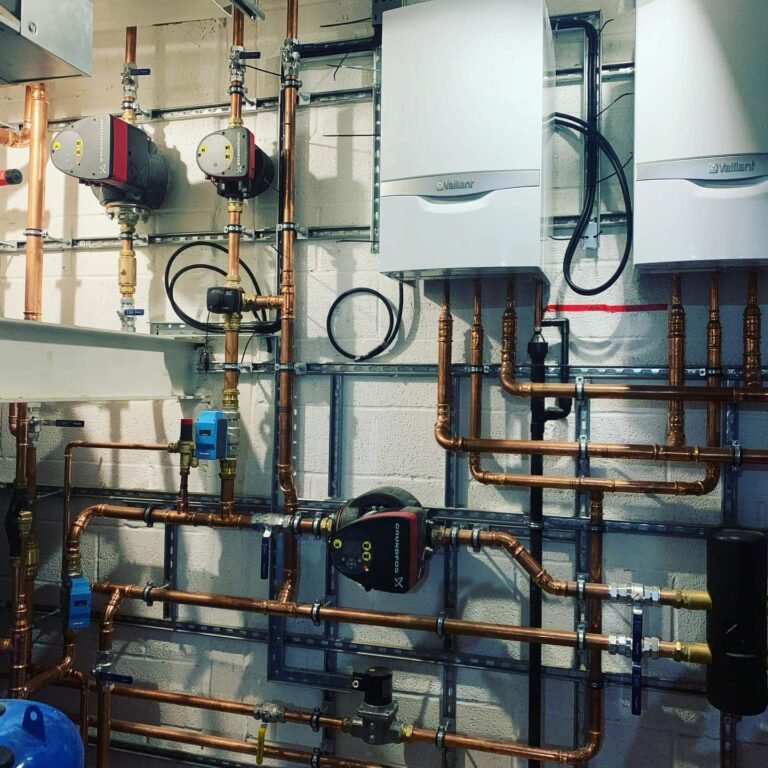
One of the leading causes of water damage is leaking or burst pipes. Pipes can develop leaks over time due to corrosion, wear and tear, or poor installation. When pipes leak, water can seep into walls, floors, and ceilings, causing structural damage and promoting mold growth.
A burst pipe, on the other hand, can release a large volume of water very quickly, leading to severe flooding in a home. Factors such as freezing temperatures, high water pressure, and aging plumbing can increase the likelihood of pipes bursting. Homeowners should inspect their plumbing regularly and consider upgrading old pipes to prevent unexpected water damage.
Roof Leaks
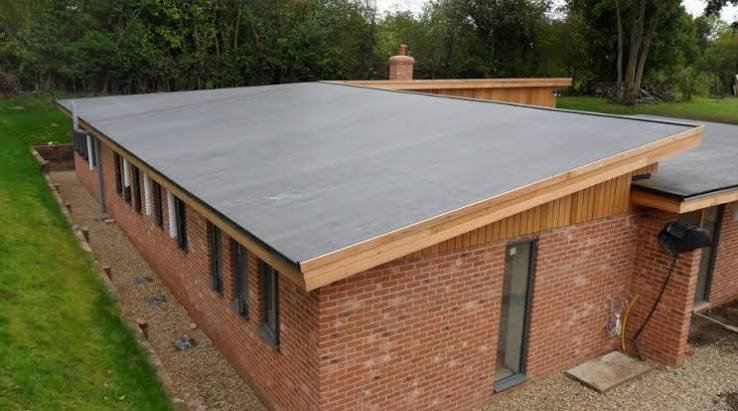
Roof leaks are another significant source of water damage in homes. Damaged shingles, broken flashing, clogged gutters, or improper roof installation can allow water to penetrate the roof, especially during heavy rain or snow.
When water enters through the roof, it can affect the attic, insulation, and even the structural framework of the house. Over time, roof leaks can cause ceilings and walls to sag, discolor, or develop mold. Regular roof inspections, cleaning gutters, and repairing damaged areas promptly can help prevent this type of water damage.
Appliance Malfunctions
Modern homes rely heavily on appliances that use water, such as washing machines, dishwashers, water heaters, and refrigerators. While convenient, these appliances can also be a source of water damage if they malfunction.
A leaking washing machine hose, a malfunctioning water heater, or a broken dishwasher valve can release significant amounts of water into your home. Even small leaks over time can lead to water damage in floors, cabinets, and walls. Routine maintenance, timely repairs, and monitoring appliance connections are critical to avoiding this problem.
Clogged or Broken Gutters
Gutters play a vital role in directing rainwater away from your home. When gutters are clogged with leaves, debris, or broken from wear, water can overflow and pool around the foundation or seep into the basement.
Poor drainage caused by faulty gutters can lead to foundation cracks, basement flooding, and damage to landscaping. Additionally, water that seeps into the foundation can cause mold and mildew growth, further worsening the impact. Regular gutter cleaning and maintenance are essential to prevent water damage from this common issue.
Natural Disasters and Severe Weather
Natural disasters, including heavy storms, hurricanes, or floods, can be a significant cause of water damage. Homes in areas prone to flooding or heavy rainfall are especially vulnerable.
Even a small amount of water entering through windows, doors, or cracks during a storm can result in extensive damage if not addressed immediately. Homeowners can mitigate risk by installing proper drainage systems, sealing vulnerable areas, and keeping sandbags or other protective measures on hand during extreme weather events.
Preventing Water Damage
Preventing water damage requires vigilance and proactive measures. Regularly inspecting your plumbing, roof, and gutters can catch small issues before they become major problems. Installing water sensors or leak detection devices can alert homeowners to potential issues early.
It’s also essential to know the location of your main water shut-off valve and ensure that it is easily accessible. In case of sudden water leaks, turning off the water supply quickly can limit the damage. Homeowners should also maintain proper drainage around the foundation to prevent water from pooling near the house.
Signs of Water Damage
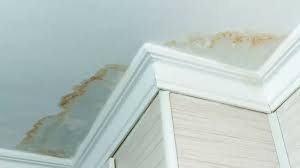
Early detection of water damage can save significant repair costs. Common signs include water stains on ceilings or walls, a musty odor indicating mold, warped floors, or peeling paint. Unusual increases in water bills may also suggest hidden leaks in plumbing or appliances. Paying attention to these warning signs and acting promptly can prevent long-term structural and health issues.
Conclusion
Water damage in homes is often preventable, but it requires awareness and proactive maintenance. Leaking pipes, roof problems, appliance malfunctions, clogged gutters, and natural disasters are the most common causes of water damage. Regular inspections, maintenance, and timely repairs can help safeguard your home from the costly effects of water damage.
By staying vigilant and taking preventive measures, homeowners can protect their property and ensure that small issues do not escalate into significant problems. Remember, addressing water damage early not only preserves your home’s structure but also maintains a healthy living environment for you and your family.