



Music has always reflected the culture, emotions, technology, and social movements of its time. Today, however, the global Music landscape is changing faster than ever. Digital platforms, social media, streaming services, artificial intelligence, and cross-cultural collaboration have created an environment where a song can travel from one corner of the world to another within hours. Listeners are no longer limited to the sounds produced in their own countries. Instead, they can discover artists, genres, languages, and traditions from almost anywhere. These changes are creating exciting new directions for the sound of today’s global audience.
The Rise of Global Musical Influences
One of the most important trends in Music is the blending of cultural influences. Artists increasingly combine traditional sounds with modern production techniques to create songs that appeal to audiences across borders. Latin rhythms, African percussion, Asian instruments, Middle Eastern melodies, European electronic production, and American pop structures can now appear together in a single track.
This cultural exchange has made Music more diverse and accessible. Listeners often enjoy songs even when they do not understand every word because rhythm, melody, emotion, and production can communicate across language barriers. As artists collaborate internationally, new hybrid styles continue to emerge and attract audiences around the world.
Streaming Is Transforming Music Discovery
Streaming platforms have completely changed how people discover and consume Music. Instead of purchasing albums or waiting for songs to appear on traditional radio, listeners can access enormous libraries instantly. Personalized playlists and recommendation systems introduce people to artists they may never have encountered through conventional media.
This has also changed the way songs become popular. A track does not necessarily need the backing of a major record label or traditional radio campaign to reach millions of listeners. Independent musicians can build audiences through digital platforms, while emerging genres can gain international attention through playlists and online communities.
Streaming has therefore made Music discovery more global and democratic. At the same time, artists must compete for attention in an environment where listeners have countless choices available at any moment.
Short-Form Video and Viral Music
Social media has become one of the strongest forces influencing modern Music trends. Short-form video platforms have created new opportunities for songs to become viral through dance challenges, memes, storytelling, comedy, and creative edits. Sometimes a particular section of a song becomes more recognizable than the complete track.
This trend has influenced how musicians and producers approach songwriting. Memorable hooks, strong introductions, catchy choruses, and short sections that work well with visual content can increase a song’s chances of gaining attention online. A song can move from an unknown release to a global sensation when thousands or millions of users begin creating content around it.
However, viral success is not always permanent. Trends can change quickly, meaning artists must find ways to turn temporary attention into long-term relationships with listeners.
The Continued Popularity of Genre-Blending
Traditional genre boundaries are becoming less important. Modern Music frequently combines pop, hip-hop, electronic, rock, R&B, reggae, country, jazz, folk, and other styles. Artists are increasingly interested in experimentation rather than following strict genre formulas.
Genre-blending gives musicians greater creative freedom while providing listeners with fresh experiences. A pop singer may incorporate hip-hop production, while an electronic producer may use traditional instruments from another culture. These combinations can create sounds that feel both familiar and completely new.
The result is a global Music environment where classification can be difficult. Instead of asking whether a song belongs to one specific genre, listeners are often more interested in whether the song creates an emotional or memorable experience.
Artificial Intelligence and New Creative Possibilities
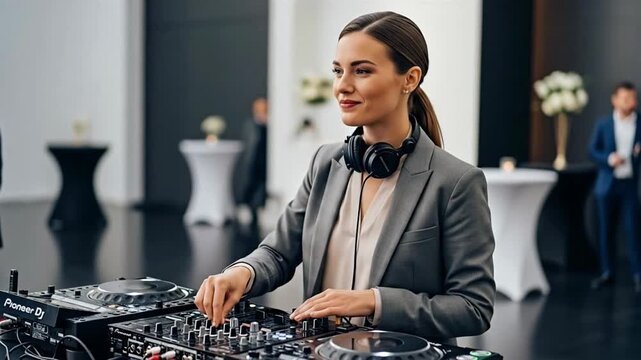
Artificial intelligence is becoming another major influence on the Music industry. AI-powered tools can assist with composition, sound design, mixing, mastering, vocal processing, and other parts of the creative process. These technologies are giving musicians and producers new ways to experiment with ideas.
AI does not necessarily replace human creativity. Instead, many creators use technology as an additional instrument that can help them explore sounds more quickly. Producers can test arrangements, generate musical ideas, and refine production workflows with digital assistance.
At the same time, AI has raised important questions about originality, copyright, artistic ownership, and the role of human performers. The future of Music will likely involve continued discussion about how technology and human creativity should work together.
The Growing Power of Independent Artists
Another major trend is the increasing influence of independent musicians. Digital distribution has reduced some of the traditional barriers that once made it difficult for new artists to reach international audiences. Musicians can release songs online, build social media communities, communicate directly with fans, and develop careers without depending entirely on traditional industry structures.
Independent artists can also develop highly specific audiences. Instead of trying to appeal to everyone, they can connect with listeners who genuinely appreciate their particular sound, personality, or artistic identity. This direct relationship can create strong communities around Music and help emerging performers establish sustainable careers.
Live Music Is Becoming an Experience
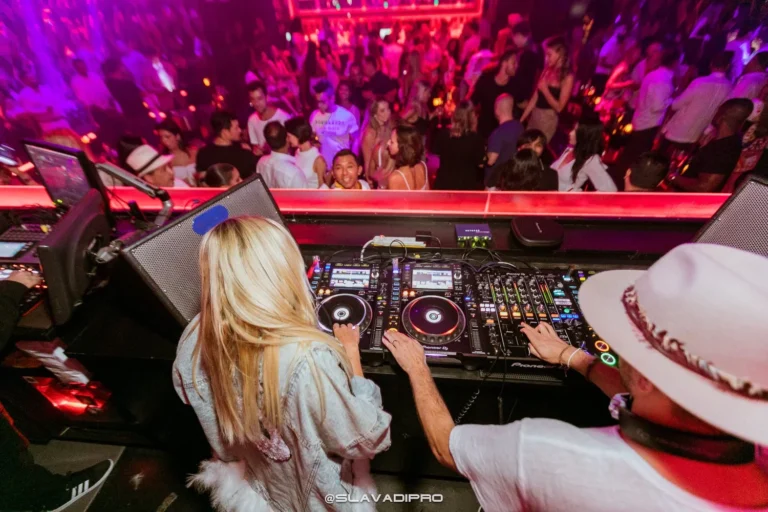
Although digital listening dominates everyday consumption, live Music remains extremely important. Concerts and festivals are increasingly designed as complete experiences rather than simple performances. Visual effects, immersive stages, interactive technology, lighting, fashion, and audience participation can all contribute to a memorable event.
Global tours also allow artists to connect directly with international audiences. Festivals bring together performers and listeners from different cultures, creating environments where musical discovery happens naturally. The continuing popularity of live performances demonstrates that people value the shared emotional experience of hearing Music together.
Nostalgia and the Return of Older Sounds
While innovation is driving the future, nostalgia remains a powerful trend. Older songs, sounds, production techniques, and visual styles are frequently rediscovered by younger audiences. Classic tracks can gain new popularity after appearing in films, television programs, advertisements, or social media content.
Modern artists also reinterpret earlier styles rather than simply copying them. Vintage instruments, retro production, older songwriting structures, and familiar musical references can be combined with contemporary technology. This creates a balance between the comfort of the past and the creativity of the present.
Personal Identity and Emotional Connection
Today’s listeners increasingly use Music as a way to express identity, mood, values, and personal experiences. Playlists can represent different aspects of a person’s life, from relaxation and exercise to celebration, romance, concentration, and emotional reflection.
Artists who communicate genuine stories and emotions can develop deeper relationships with audiences. Authenticity has become especially valuable in an environment where listeners are exposed to an enormous amount of professionally produced content. A meaningful message or relatable story can help a song stand out.
The Future of Global Music
The future of Music will likely be defined by greater cultural exchange, technological innovation, independent creativity, and direct communication between artists and audiences. Language barriers will continue to become less restrictive as listeners explore international sounds, while genre boundaries may become even more flexible.
Technology will provide musicians with new creative tools, but human emotion, storytelling, performance, and cultural identity will remain central to the experience. The most successful artists will likely be those who understand how to use modern platforms without losing their unique artistic voices.
Ultimately, the global Music audience is becoming more curious, connected, and diverse. From streaming playlists and viral videos to international collaborations and live festivals, the way people experience sound continues to evolve. These trends are not simply changing what people listen to; they are reshaping how Music is created, shared, discovered, and experienced across the world.