

When disaster strikes—whether through a sudden flash flood, a devastating house fire, or a severe storm—the aftermath can be overwhelming. Beyond the immediate shock and emotional distress, property owners are left facing structural instability, hazardous debris, and potential health risks. In these critical moments, attempting a DIY cleanup is not only exhausting but can also be dangerous. This is where professional disaster cleanup services play a pivotal role. By combining specialized equipment, technical expertise, and rigorous safety protocols, professional disaster cleanup teams safely restore homes and businesses to secure, habitable conditions.
Understanding the True Extent of Disaster Hazards
After a catastrophic event, the damage visible on the surface is often only a fraction of the actual problem. Disasters create unseen hazards that pose immediate and long-term risks to human health and property structure.
Hidden Structural Impairments
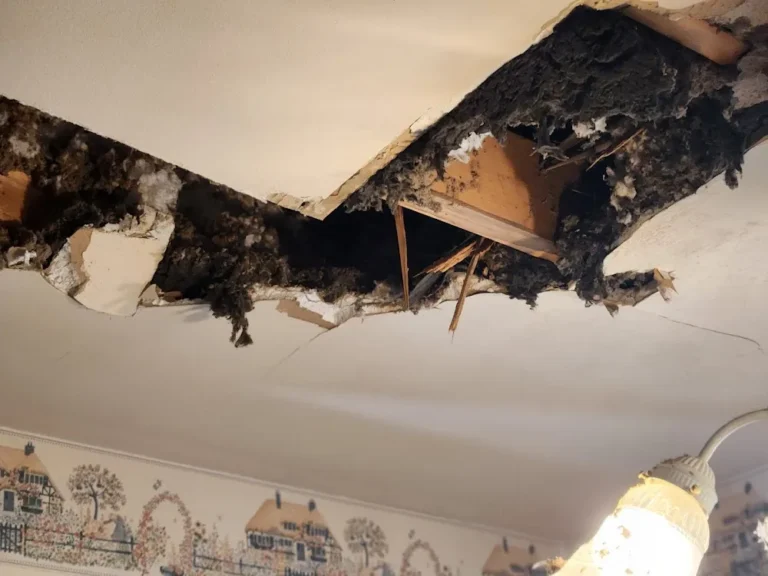
Water, fire, and storm damage can weaken the structural integrity of a building. Saturated drywall can collapse without warning, compromised support beams can sag, and weakened flooring can lead to dangerous falls. Professional disaster cleanup specialists begin by assessing structural stability before anyone enters the site.
Biohazards and Microscopic Threats
Floodwaters frequently carry sewage, agricultural runoff, heavy metals, and dangerous bacteria. Similarly, fire damage leaves behind toxic soot particles, volatile organic compounds (VOCs), and hazardous chemical residue from burned synthetic materials. Without industrial-grade protective gear and specialized disaster cleanup methods, exposure to these elements can lead to severe respiratory issues, skin infections, and long-term health complications.
The Immediate Response Phase: Securing and Mitigating Damage
Time is the single most critical factor in disaster cleanup. Secondary damage—such as mold growth, rust, structural rotting, and lingering odor saturation—begins within 24 to 48 hours of an event.
Rapid Containment and Emergency Board-Up
Professional disaster cleanup crews offer 24/7 emergency response to stabilize the environment immediately. This initial phase involves:
- Tarping damaged roofs to prevent additional rain intrusion
- Boarding up shattered windows and compromised walls to deter trespassers and protect against elements
- Extracting standing water using heavy-duty submersible pumps and truck-mounted vacuum units
Debris Removal and Hazard Containment
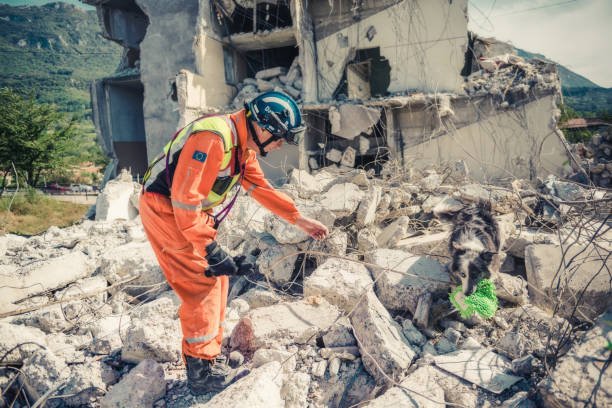
Clearing fallen trees, broken glass, sharp metals, and ruined building materials requires heavy machinery and precise protocols. Disaster cleanup technicians sort debris, separating hazardous substances from salvageable property and ensuring proper disposal according to local environmental regulations.
Core Pillars of Disaster Cleanup and Restoration
A comprehensive disaster cleanup effort involves far more than simply sweeping up mess and drying wet carpets. It is an intricate multi-stage process tailored to the specific type of damage sustained.
Advanced Water Extraction and Structural Drying
Moisture trapped inside walls, under subfloors, or within insulation creates an ideal breeding ground for toxic mold and bacteria. Professional disaster cleanup relies on advanced technology to ensure complete moisture removal:
- Thermal Imaging Cameras: Detect hidden pockets of moisture behind walls and beneath flooring without invasive tear-outs.
- Commercial Dehumidifiers and Air Movers: Rapidly evaporate moisture and extract liters of water vapor from the air daily.
- Moisture Meters: Monitor precise moisture levels in structural wood and drywall to confirm deep drying.
Smoke and Soot Mitigation
Fire residue penetrates porous surfaces, embedding stubborn odors and corrosive elements throughout the structure. Disaster cleanup experts utilize specialized thermal fogging, hydroxyl generators, and ozone treatments to neutralize odor molecules at the molecular level rather than merely masking them. Soot removal techniques—such as dry chemical sponges and HEPA vacuuming—prevent acidic soot from permanently staining or etching surfaces.
Mold Remediation and Air Quality Control
When moisture leads to mold growth, professional disaster cleanup includes negative air pressure isolation and HEPA filtration to prevent spores from spreading to uncontained areas of the building. Antimicrobial treatments are applied to eliminate microscopic spores and prevent future fungal growth.
The Value of Specialized Equipment and Certified Expertise
Why can’t standard cleaning crews handle disaster recovery? The answer lies in training, certification, and specialized industrial technology.
Certified Technicians
Reputable disaster cleanup companies employ technicians certified by organizations like the Institute of Inspection, Cleaning and Restoration Certification (IICRC). These professionals undergo rigorous training in applied structural drying, fire and smoke restoration, biohazard remediation, and health and safety standards.
Specialized Industrial Technology
Disaster cleanup requires machinery not available to the general public:
- Industrial-grade HEPA air scrubbers that filter airborne particulates down to 0.3 microns
- High-capacity desiccant dehumidifiers designed for large-scale structural drying
- Electrostatic sprayers for uniform application of EPA-registered disinfectants
Psychological Relief and Navigating Insurance Claims
The physical benefits of professional disaster cleanup are matched by significant psychological and administrative support during a crisis.
Restoring Peace of Mind
Facing a ruined home or damaged business creates immense stress. Handing over the physical burden to a team of trained disaster cleanup professionals allows property owners to focus on their family’s wellbeing, personal affairs, and long-term recovery plans.
Streamlining the Insurance Process
Navigating property insurance claims after severe damage can be daunting. Professional disaster cleanup providers maintain detailed documentation from day one, including:
- Comprehensive itemized inventories of damaged and salvageable contents
- Before-and-after photo and video logs
- Moisture readings and drying logs
- Direct billing and communication with insurance adjusters to help ensure fair and timely claim approvals
Restoring Safety and Health for the Long Term
Ultimately, the ultimate goal of professional disaster cleanup is to transform a dangerous, chaotic scene back into a safe, clean, and sound environment. Attempting to manage major property damage without expert intervention frequently leads to costly secondary repairs, unaddressed health hazards, and compromised building safety.
By entrusting your recovery to experienced disaster cleanup professionals, you ensure that every corner of your property is thoroughly dried, sanitized, and structurally inspected. Whether dealing with severe weather events, plumbing failures, or fire emergencies, prompt and professional disaster cleanup is your surest path toward total restoration and lasting safety.