


Traumatic incidents can leave properties in need of specialized cleaning and restoration. Whether a property has been affected by an unexpected accident, an unattended death, or another serious trauma clean up event, restoring the space requires more than ordinary cleaning methods. Trauma clean up involves careful assessment, appropriate protective measures, responsible waste handling, and thorough decontamination to help make affected areas safe for future use.
Professional trauma cleanup teams provide specialized services that help property owners, families, businesses, and property managers manage difficult situations. Their work focuses on restoring affected spaces while prioritizing safety, privacy, and respect for everyone involved. Understanding how these professionals operate can help property owners make informed decisions during a challenging time.
Understanding Trauma Clean Up Services
Trauma clean up is a specialized cleaning service designed to address environments affected by traumatic incidents. Depending on the circumstances, a property may require the removal of biological contamination, treatment of affected surfaces, disposal of contaminated materials, and additional restoration work.
Unlike standard residential or commercial cleaning, trauma cleanup requires specific knowledge, appropriate equipment, and procedures for handling potentially hazardous materials. Ordinary household products and basic cleaning tools may not be sufficient to address every type of contamination.
Professional teams evaluate the affected area before determining the appropriate cleaning and restoration approach. They consider the type of materials involved, the condition of the property, the extent of contamination, and any potential risks to occupants.
This structured approach helps ensure that cleanup activities are completed responsibly and that the property receives the attention necessary for safe restoration.
Why Professional Trauma Cleanup Is Important
After a traumatic incident, the condition of a property may create health and safety concerns. Biological materials can contaminate surfaces, furnishings, and other items, while improper handling may spread contamination into previously unaffected areas.
Professional trauma cleanup teams understand the importance of controlling these risks. They use suitable personal protective equipment, follow established safety procedures, and select cleaning methods appropriate to the affected materials.
Their expertise also helps property owners avoid common mistakes, such as attempting to clean potentially hazardous materials without suitable training or equipment.
Professional assistance offers several important benefits:
- Health and safety: Appropriate procedures help reduce exposure to potentially harmful biological contaminants.
- Thorough cleaning: Specialized methods address affected surfaces and materials more effectively than routine cleaning alone.
- Responsible disposal: Contaminated waste is managed according to applicable requirements.
- Property protection: Careful assessment helps identify materials that can be restored and those that may need replacement.
- Peace of mind: Experienced professionals manage the practical work while property owners focus on other important responsibilities.
Choosing a qualified service provider can therefore make the restoration process more organized, controlled, and manageable.
How Professional Teams Approach Trauma Clean Up
Every incident is different, so professional teams generally follow a structured process rather than applying the same cleaning method to every property. The exact approach depends on the nature and severity of the situation.
Initial Assessment of the Property
The process typically begins with an assessment of the affected area. Cleanup professionals examine the visible conditions, identify potentially contaminated surfaces, and determine whether contamination may have reached porous materials or concealed spaces.
This evaluation helps establish the scope of the work and identify any additional restoration needs. Depending on the circumstances, the team may also coordinate with property managers, insurance representatives, or other restoration professionals.
A clear assessment allows the service provider to develop a suitable work plan and communicate expectations to the property owner.
Establishing Appropriate Safety Measures
Safety is a central part of professional trauma cleanup. Before work begins, trained personnel determine the protective measures required for the specific environment.
These measures may include restricting access to affected areas, using suitable protective equipment, and implementing procedures that reduce the risk of cross-contamination.
The purpose is to protect cleanup workers, property occupants, and other individuals who could otherwise come into contact with contaminated materials.
Professional teams also consider the surrounding environment, particularly when the affected area is connected to occupied rooms, shared hallways, or commercial facilities.
Specialized Cleaning and Decontamination
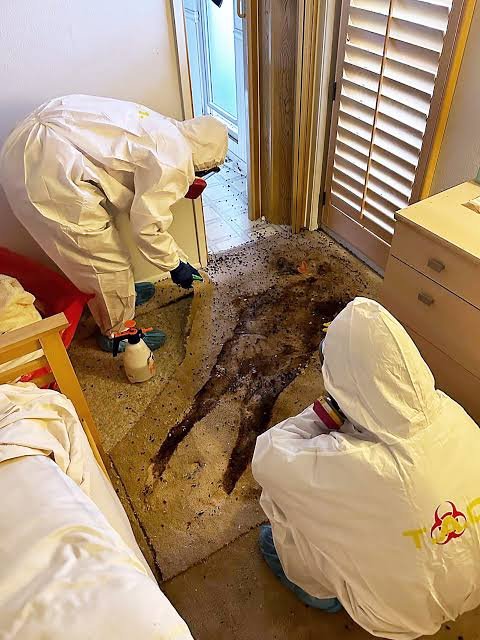
Once appropriate precautions are established, the team carries out the required cleaning and decontamination work. The methods used depend on the surfaces, materials, and type of contamination involved.
Nonporous surfaces may be suitable for specialized cleaning and disinfection, while certain porous materials may require removal if they cannot be adequately decontaminated.
Professionals select products and procedures appropriate to the situation, following manufacturer guidance and relevant safety requirements. They also take care to prevent contamination from spreading during the work.
Thorough decontamination is important because a property can appear clean without all potential contamination having been properly addressed.
Waste Management and Material Removal
Some incidents leave behind materials that cannot safely be restored. These may include contaminated furnishings, flooring, or other building materials.
Professional teams identify materials that require removal and arrange for their appropriate handling and disposal. Requirements vary by location and by the type of waste involved, so qualified providers follow the applicable regulations.
Responsible waste management helps prevent improper disposal and supports a safer restoration process.
Final Assessment and Property Restoration
After the cleanup work is completed, professionals assess the treated area to determine whether the planned work has been carried out adequately. Additional cleaning or restoration may be necessary if further concerns are identified.
Depending on the property’s condition, the next stage may involve replacing flooring, repairing walls, restoring furnishings, or arranging other building repairs.
The objective is to return the affected space to an appropriate condition for its intended use, while clearly identifying any remaining work that falls outside the original cleanup service.
The Importance of Compassion and Privacy
Traumatic incidents can be emotionally difficult for families, property owners, employees, and other people connected to the location. Professional cleanup services must therefore consider more than the physical condition of the building.
Respectful communication and discretion are important throughout the process. Experienced teams understand that clients may be dealing with grief, uncertainty, or significant disruption to their daily lives.
A professional service provider should explain the work clearly, answer reasonable questions, and handle sensitive circumstances with care. Scheduling, access arrangements, and communication can also be managed thoughtfully to reduce unnecessary disruption.
Privacy is another important consideration. Cleanup teams should respect the client’s property, avoid unnecessary disclosure of sensitive information, and follow applicable confidentiality requirements.
A compassionate approach helps make a difficult situation easier to manage without compromising professional standards.
Choosing the Right Trauma Cleanup Company
Selecting a suitable trauma cleanup company is an important step in property restoration. Not every general cleaning provider has the training, equipment, or procedures required for specialized decontamination.
Property owners should evaluate potential service providers carefully before making a decision.
Verify Training and Relevant Qualifications
Ask whether the company has appropriate training for biological cleanup, worker safety, and contaminated waste management. Depending on the service and location, specific certifications, licenses, or other qualifications may be relevant.
A reputable provider should be able to explain its procedures and demonstrate how it approaches safety and compliance.
Ask About the Scope of Services
Trauma cleanup and full property restoration are not always the same service. Some companies focus on cleaning and decontamination, while others also coordinate repairs and rebuilding.
Understanding the scope of the proposed work helps prevent confusion about what is included in the service agreement.
Request Clear Pricing and Communication
Before work begins, ask for a written estimate that explains the anticipated services, potential additional costs, and any limitations.
Unexpected conditions may affect the final price, so the company should explain how changes to the original scope will be communicated and approved.
Clear communication helps property owners make informed decisions and reduces the likelihood of misunderstandings.
Review Safety and Disposal Procedures
Ask how the company manages potentially contaminated materials, protects unaffected areas, and determines when cleaning is complete.
Professional providers should be able to describe their general safety procedures without making unrealistic promises about results.
Trauma Clean Up for Residential and Commercial Properties
Trauma cleanup services can be required in a variety of environments. Residential properties may need specialized cleaning following a serious accident or another distressing incident. Landlords and property managers may also need professional assistance before a space can be prepared for future occupants.
Commercial properties, including offices and other workplaces, can face similar challenges. In these settings, cleanup may require coordination with building management, maintenance personnel, and relevant safety representatives.
Each environment presents different considerations. Homes may contain personal belongings and sentimental items that require careful evaluation, while commercial properties may have shared facilities, operational schedules, and multiple occupants to consider.
Professional teams adapt their approach to the property’s needs, helping reduce unnecessary disruption while addressing the identified contamination and restoration requirements.
Supporting a Safer and More Organized Recovery
Recovering a property after a traumatic incident can involve several stages, from specialized cleaning to repairs and final inspections. Working with qualified professionals helps property owners understand these stages and coordinate the necessary services.
A reliable company can explain which materials may be cleaned, which may need replacement, and whether additional restoration specialists are required. This guidance supports more informed planning and helps prevent avoidable delays.
Property owners should also keep relevant service agreements, estimates, invoices, and completion records. These documents may be useful when coordinating repairs or communicating with an insurance provider, depending on the circumstances and policy requirements.
Most importantly, recovery should not be rushed at the expense of safety. The appropriate timeline depends on the property’s condition, the extent of the cleanup, and any additional work that may be needed.
Conclusion
Trauma clean up plays an important role in restoring properties affected by serious and distressing incidents. Because these situations may involve biological contamination, damaged materials, and sensitive personal circumstances, professional assistance can provide essential support.
Qualified cleanup teams bring specialized knowledge, appropriate protective equipment, responsible waste management practices, and structured restoration procedures to the process. Their work helps address safety concerns while supporting property owners through a challenging experience.
When choosing a trauma cleanup company, it is important to consider relevant training, service scope, communication, privacy, and compliance with applicable requirements. With the right professional support, affected properties can be assessed, cleaned, and restored through a careful process that prioritizes safety, dignity, and responsible property recovery.