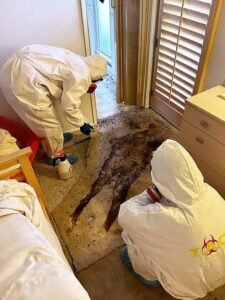


Water damage is one of the most stressful problems homeowners can experience. Whether it results from a burst pipe, leaking appliance, heavy rainfall, flooding, or a plumbing failure, water can quickly affect Water Mitigation Pros different areas of a property. Even a small leak can create serious problems if it is not addressed promptly. From damaged flooring and walls to mold growth and structural deterioration, the consequences can become expensive over time. Fortunately, professional water mitigation specialists can help homeowners manage the situation and restore their properties safely.
Water mitigation professionals play an important role in reducing damage, removing excess moisture, and preventing additional complications. Their experience, specialized equipment, and organized restoration methods make it easier for homeowners to recover after unexpected water-related incidents.
Understanding the Importance of Water Mitigation
Water mitigation refers to the process of limiting and preventing further damage after water enters a building. Unlike general cleaning, professional mitigation involves identifying the source of moisture, removing standing water, drying affected materials, and monitoring humidity levels.
When water damage occurs, taking immediate action is essential. Water can spread through flooring, drywall, insulation, furniture, and other household materials. If moisture remains trapped inside these areas, it may eventually lead to mold development, unpleasant odors, and structural issues.
Water mitigation professionals understand how different materials react to moisture. They use appropriate techniques to protect unaffected areas while addressing the damaged sections. Their primary goal is to stabilize the property and reduce the overall impact of the incident.
1. Quick Inspection and Damage Assessment
One of the first things water mitigation professionals do is inspect the affected property. A detailed assessment helps determine how much water has entered the home and which areas require immediate attention.
Visible water damage does not always reveal the full extent of the problem. Moisture can travel behind walls, underneath carpets, and into hidden spaces. Professionals use moisture meters, thermal imaging devices, and other inspection tools to identify affected areas.
During the inspection, technicians typically evaluate:
- The source and category of water damage.
- The condition of walls, ceilings, and flooring.
- Areas where moisture may be trapped.
- Potential electrical and structural safety concerns.
- Furniture and personal belongings that may be affected.
This assessment helps create an effective mitigation plan based on the property’s specific condition.
2. Removing Standing Water Quickly
Standing water can cause significant damage when left inside a home. It may weaken flooring materials, damage furniture, affect electrical systems, and create conditions that encourage microbial growth.
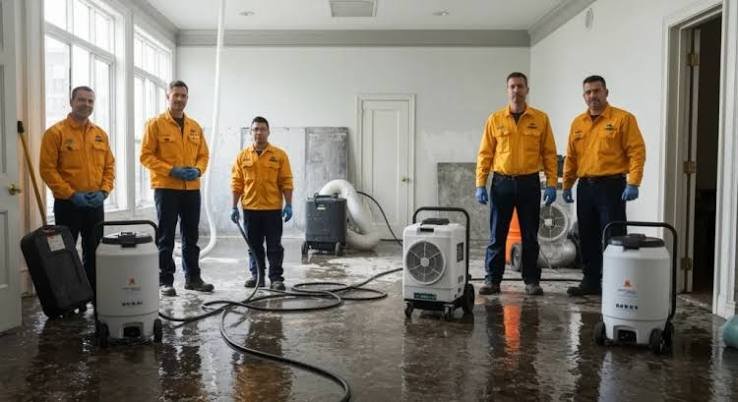
Water mitigation professionals use specialized extraction equipment to remove water efficiently. Depending on the situation, they may use powerful pumps, wet vacuums, and commercial water extraction machines.
Removing standing water as early as possible helps prevent moisture from spreading into additional areas. It also prepares the property for the next stages of the restoration process.
Professional extraction is particularly important after flooding, major plumbing failures, and appliance leaks because large amounts of water can accumulate in a relatively short period.
3. Professional Drying and Dehumidification
After standing water has been removed, the affected areas still contain moisture. Simply opening windows or using household fans may not be enough to dry materials completely.
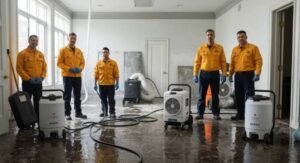
Water mitigation specialists use commercial air movers and industrial dehumidifiers to accelerate the drying process. Air movers improve circulation, while dehumidifiers remove excess moisture from the surrounding air.
Technicians carefully position this equipment to reach affected surfaces and hidden spaces. They also monitor humidity and moisture levels throughout the drying process.
Proper drying is essential because moisture trapped inside building materials can contribute to mold growth, wood deterioration, and unpleasant indoor conditions.
By using professional drying methods, homeowners can reduce the risk of additional damage and create a safer environment.
4. Preventing Mold Growth and Moisture Problems
Mold is one of the most common concerns following water damage. It can begin developing within approximately 24 to 48 hours under suitable moisture conditions. This makes quick moisture control extremely important.
Water mitigation professionals focus on identifying damp materials and reducing moisture levels before mold becomes a larger problem.
Depending on the extent of the damage, their services may include:
- Removing water-damaged materials that cannot be properly dried.
- Cleaning affected surfaces using appropriate products.
- Applying suitable antimicrobial treatments when necessary.
- Improving air circulation during drying.
- Monitoring moisture levels in previously affected areas.
It is important to understand that water mitigation and mold remediation are not exactly the same service. Extensive mold contamination may require a qualified mold remediation specialist.
Early professional intervention, however, can help reduce the conditions that allow mold to develop.
5. Protecting Furniture and Personal Belongings
Water damage does not only affect the physical structure of a home. It can also damage furniture, electronics, clothing, documents, photographs, and valuable personal belongings.
Water mitigation teams often help homeowners identify which items can be saved and which may require disposal.
Depending on the type of material and contamination level, technicians may use specialized cleaning, drying, and restoration methods to recover certain belongings.
For example, some furniture can be dried and cleaned, while important documents and photographs may require specialized restoration services. Electronics should be handled carefully because internal moisture can create electrical hazards.
Protecting personal belongings is an important part of the recovery process because many household items have financial and sentimental value.
6. Identifying Hidden Water Damage
One of the biggest challenges homeowners face after a water-related incident is identifying damage that cannot be seen easily.
Water can move through small openings and collect behind walls, beneath flooring, inside cabinets, and around plumbing systems. These hidden moisture pockets can create long-term problems if they remain untreated.
Water mitigation professionals use specialized detection equipment to locate moisture in difficult-to-reach areas.
For example, thermal imaging cameras can help identify temperature differences that may indicate moisture, while moisture meters provide readings from different building materials.
Finding hidden water damage allows professionals to address affected areas before deterioration becomes more serious. It also helps homeowners avoid unnecessary repairs by focusing on locations where moisture is actually present.
7. Helping Homeowners Recover from Structural Damage
Prolonged exposure to water can weaken certain building materials. Drywall may become soft, wooden flooring can warp, and insulation may lose its effectiveness.
In more serious situations, water can affect ceilings, support materials, and other structural components.
Water mitigation professionals assess the condition of damaged materials and determine which areas can be dried and preserved. Materials that cannot be safely restored may need to be removed and replaced.
Although mitigation does not always include complete reconstruction, professional teams can help coordinate the next steps with qualified restoration contractors.
This organized approach allows homeowners to move from emergency water removal toward full property recovery.
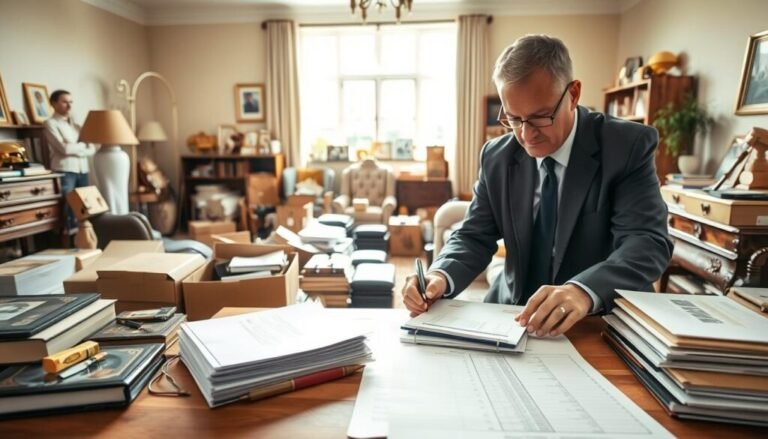
8. Supporting Insurance Documentation and Claims
Dealing with insurance paperwork after water damage can be confusing, particularly when homeowners are already managing an emergency.
Professional water mitigation companies often provide documentation that can help support the insurance claims process.
This documentation may include:
- Photographs of affected rooms and materials.
- Inspection and moisture assessment reports.
- Records of water extraction and drying activities.
- Equipment usage information.
- Itemized estimates for mitigation-related work.
Homeowners should also keep copies of their insurance policy, repair estimates, receipts, and communication with their insurance provider.
It is important to remember that insurance coverage depends on the policy, the cause of damage, and applicable exclusions. A mitigation company can help document the situation, but the insurance provider makes coverage decisions.
9. Providing Guidance for Long-Term Water Damage Prevention
Recovering from water damage also means taking steps to reduce the chances of similar incidents happening again.
Experienced water mitigation professionals can identify potential problem areas and recommend practical preventive measures.
These recommendations may include regularly inspecting plumbing connections, maintaining household appliances, cleaning gutters, checking roof conditions, and improving drainage around the property.
Homeowners may also benefit from installing water leak detectors near washing machines, water heaters, sinks, and other vulnerable locations.
Taking these preventive steps can help identify problems earlier and reduce the likelihood of expensive repairs in the future.
Choosing the Right Water Mitigation Professionals
Selecting an experienced water mitigation company is an important decision after property damage. Homeowners should look for professionals who have relevant training, appropriate equipment, transparent pricing, and a clear service process.
Before hiring a company, consider asking about its experience with similar water damage situations, emergency response availability, inspection methods, drying procedures, and documentation practices.
It is also helpful to check customer reviews, verify licensing or certifications where applicable, and understand what services are included in the estimate.
A reliable professional should explain the condition of the property, discuss recommended actions, and communicate clearly throughout the mitigation process.
Conclusion
Water damage can disrupt everyday life and create serious challenges for homeowners, but professional water mitigation services can make recovery more manageable. From emergency water extraction and structural drying to mold prevention, hidden moisture detection, and insurance documentation, experienced specialists provide valuable support at every stage of the initial recovery process.
Acting quickly is one of the most important factors in limiting additional damage. By choosing qualified water mitigation professionals and following their recommendations, homeowners can protect their properties, reduce future risks, and move toward a safer and more comfortable living environment.