



Cooking and baking often feel like a balancing act between creativity and precision. One small change can elevate a dish from ordinary to unforgettable. Among the many culinary secrets used by professional chefs and home cooks alike, the gelatin trick stands out as one of the simplest yet most powerful techniques. With just a small amount of gelatin, you can improve texture, enhance flavor, and completely transform the final result of your recipes.
Whether you are working on desserts, savory dishes, or even beverages, understanding how to use gelatin correctly opens up a world of possibilities. This article explores how the gelatin trick works, why it is so effective, and how you can confidently apply it in your own kitchen.
What Is the Gelatin Trick and Why It Works
Gelatin is a protein derived from collagen, commonly used as a gelling agent. The gelatin trick refers to using gelatin strategically to modify texture without overpowering taste. When dissolved and activated properly, gelatin creates structure while remaining almost invisible in flavor.
What makes this technique special is its versatility. A small quantity can stabilize whipped cream, create silky mousses, thicken sauces, or add body to soups. Unlike flour or cornstarch, gelatin provides smoothness without cloudiness or heaviness. This is why it is widely used in professional kitchens.
The science behind the gelatin trick is simple. When gelatin absorbs liquid and is gently heated, its protein strands unwind. As it cools, these strands form a delicate network that traps liquid, giving dishes their desired structure.
Choosing the Right Type of Gelatin
Before using the gelatin trick, it is important to understand the types of gelatin available. The most common options are powdered gelatin and gelatin sheets.
Powdered Gelatin
Powdered gelatin is widely available and easy to measure. It needs to be bloomed in cold liquid before heating. This type is ideal for beginners because it is forgiving and works well in most recipes.
Gelatin Sheets
Gelatin sheets, also known as leaf gelatin, are often preferred by professionals. They dissolve more evenly and create a cleaner texture. However, they require precise handling and soaking.
No matter which type you choose, the gelatin trick works best when measurements are accurate and the gelatin is handled gently.
Mastering the Blooming Process
Blooming is the most important step in the gelatin trick. Skipping or rushing this step can lead to grainy textures or uneven setting.
To bloom gelatin properly, sprinkle powdered gelatin over cold liquid and allow it to absorb moisture for several minutes. For gelatin sheets, soak them in cold water until soft. This step ensures that the gelatin hydrates evenly and dissolves smoothly when heated.
Once bloomed, gently warm the gelatin mixture. Avoid boiling, as excessive heat can weaken its setting power. Proper blooming is what allows the gelatin trick to work flawlessly.
Using the Gelatin Trick in Desserts
Desserts are where the gelatin trick truly shines. From creamy cheesecakes to glossy fruit glazes, gelatin helps achieve professional-quality results.
Creating Smooth and Stable Mousses
Mousses rely on air for lightness, but without structure, they collapse easily. Adding a small amount of gelatin stabilizes the mixture while keeping it airy. The result is a dessert that holds its shape beautifully without feeling dense.
Improving Cheesecake Texture
Many cheesecakes benefit from the gelatin trick, especially no-bake versions. Gelatin provides firmness while maintaining a creamy mouthfeel. This allows for clean slices and consistent texture from edge to center.
Enhancing Fruit-Based Desserts
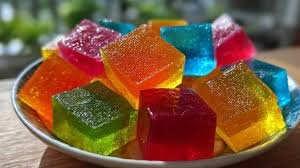
Fresh fruits release liquid, which can ruin desserts. Gelatin helps bind excess moisture, preserving shape and improving presentation. This is particularly useful in fruit tarts, jellies, and layered desserts.
Applying the Gelatin Trick in Savory Dishes
While gelatin is often associated with sweets, it plays an equally important role in savory cooking.
Richer Soups and Broths
Adding gelatin to soups and broths enhances body and mouthfeel. This technique mimics the richness of long-simmered stocks without hours of cooking. The gelatin trick gives soups a luxurious texture that coats the palate.
Better Sauces and Gravies
Sauces thickened with gelatin have a glossy finish and smooth consistency. Unlike starch-based thickeners, gelatin does not dull flavors. This makes it perfect for pan sauces and reductions.
Juicier Meat Dishes
Gelatin can improve moisture retention in meat dishes. When incorporated into marinades or fillings, it melts during cooking and redistributes moisture, resulting in tender, juicy bites.
Common Mistakes to Avoid
Even though the gelatin trick is simple, a few common mistakes can affect results.
Using too much gelatin can create a rubbery texture. Precision is key, and less is often more. Another mistake is overheating gelatin, which weakens its ability to set. Gentle heat is always best.
Adding gelatin directly to hot liquid without blooming can cause clumps. Proper preparation ensures smooth incorporation and consistent texture.
Tips for Perfect Results Every Time
To master the gelatin trick, always measure carefully and follow blooming instructions. When mixing gelatin into a recipe, temper it by adding a small amount of the warm mixture first. This prevents sudden temperature changes that could cause setting issues.
Chilling time is also important. Allow dishes to set fully before serving to achieve the intended texture. Patience is a crucial ingredient when working with gelatin.
Why the Gelatin Trick Is a Game-Changer
The gelatin trick is more than just a cooking hack. It is a technique that bridges the gap between amateur and professional results. With minimal effort, it enhances texture, appearance, and overall quality of dishes.
Once you understand how gelatin behaves, you can adapt it to countless recipes. From elegant desserts to comforting savory meals, this simple technique unlocks new creative possibilities in the kitchen.