
Basement flooding is a common and stressful problem for homeowners. Whether caused by heavy rainfall, plumbing failures, groundwater seepage, or poor drainage, excess water in the basement can lead to structural damage, mold growth, and costly repairs. Acting quickly and using the right techniques is essential to protect your property and maintain a healthy living environment. This comprehensive guide explains effective strategies for basement water removal, helping you understand what to do, how to do it safely, and how to prevent future issues.
Understanding the Causes of Basement Water Problems
Before starting basement water removal, it is important to identify the source of the water. Different causes require different solutions, and addressing the root issue will prevent repeat flooding.
Heavy Rainfall and Poor Drainage
Intense or prolonged rain can overwhelm drainage systems and force water into the basement through foundation cracks or window wells. Improper grading around the home can also direct water toward the foundation instead of away from it.
Plumbing Leaks and Burst Pipes
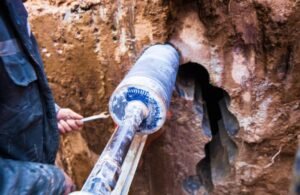
Broken pipes, faulty water heaters, or appliance malfunctions can release large amounts of water into the basement in a short time. These situations often require immediate basement water removal to minimize damage.
Groundwater Seepage
When the water table rises, groundwater can seep through porous concrete walls or floors. This type of moisture buildup is common in older homes or basements without proper waterproofing.
Preparing for Safe Basement Water Removal
Safety should always come first when dealing with a flooded basement. Standing water can hide hazards and create dangerous conditions.
Turn Off Power and Water Sources
If water levels are high, electricity can pose a serious risk. Turn off power to the basement before entering, and shut off the main water supply if a plumbing issue caused the flooding.
Wear Protective Gear
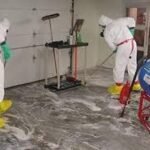
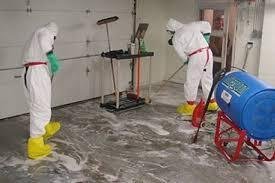
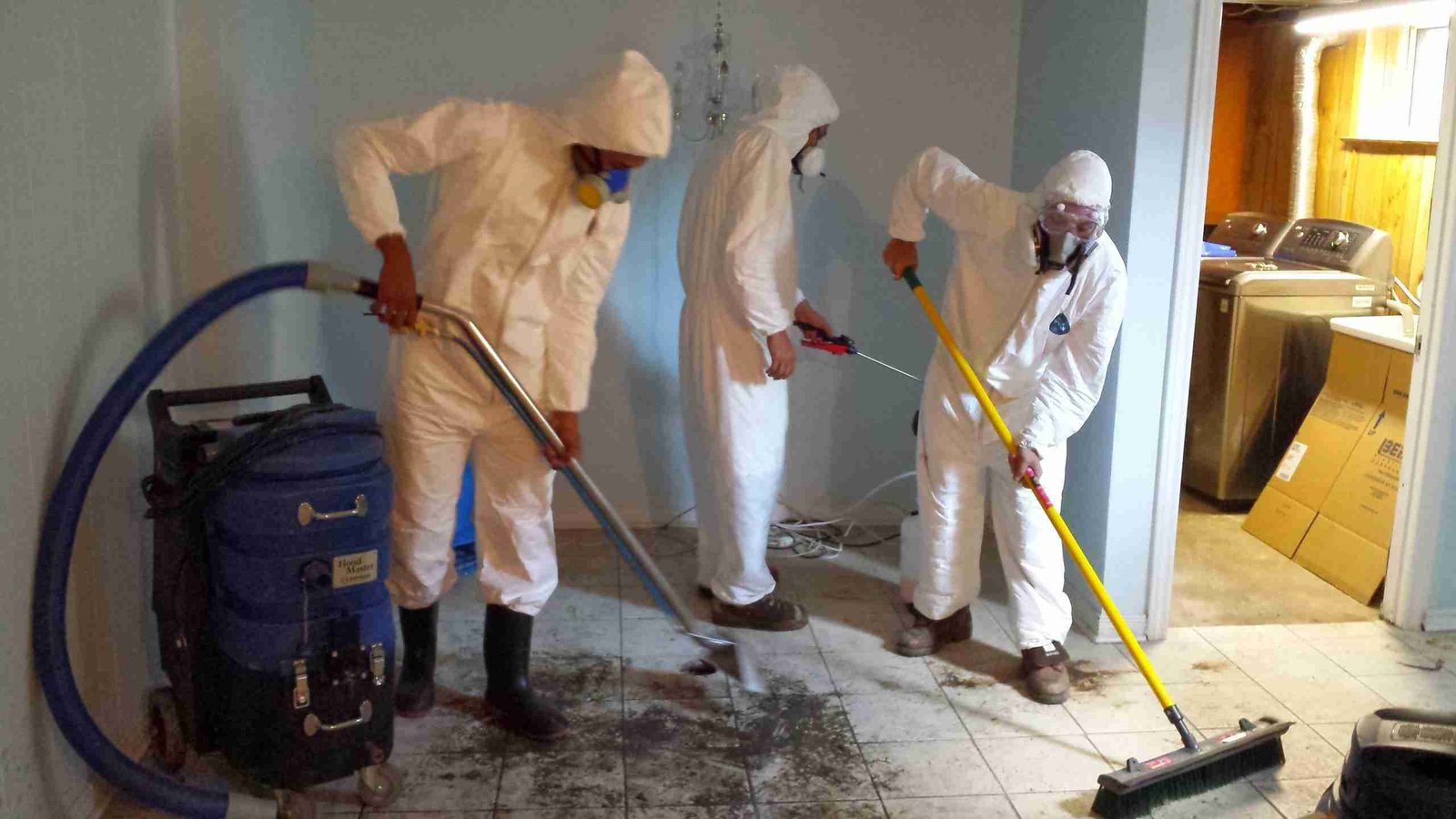
Basement water may contain contaminants, bacteria, or sharp debris. Wear waterproof boots, gloves, and protective clothing to reduce health risks during basement water removal.
Assess the Extent of Damage
Determine how much water is present and how long it has been there. This assessment will help you decide whether you can handle the cleanup yourself or need professional assistance.
Effective Methods for Basement Water Removal
Choosing the right technique depends on the amount of water and the available equipment. Acting quickly reduces the risk of mold and structural damage.
Using Sump Pumps
A sump pump is one of the most effective tools for basement water removal. It collects water from a sump pit and pumps it away from the foundation.
Submersible Pumps
Submersible pumps are placed directly into standing water and are ideal for removing large volumes quickly. They are commonly used during severe flooding.
Pedestal Pumps
Pedestal pumps keep the motor above water, making them easier to maintain. They are effective for ongoing water management but may work more slowly than submersible models.
Wet and Dry Vacuums
For smaller amounts of water, a wet and dry vacuum can be a practical solution. This method is best for minor leaks or shallow flooding and allows for controlled basement water removal.
Manual Water Removal Techniques
In cases where power is unavailable, buckets, mops, and manual pumps can help remove water. While labor-intensive, these methods can be useful in emergencies.
Drying and Dehumidifying the Basement
Removing standing water is only the first step. Moisture left behind can cause long-term problems if not addressed properly.
Improving Air Circulation
Open windows and doors when weather permits, and use fans to circulate air throughout the basement. Proper airflow speeds up drying and reduces humidity levels.
Using Dehumidifiers
Dehumidifiers are essential after basement water removal. They extract excess moisture from the air, helping to prevent mold growth and musty odors.
Drying Structural Materials
Walls, floors, insulation, and wooden structures must be thoroughly dried. Porous materials that remain wet for too long may need to be removed and replaced.
Preventing Mold After Basement Water Removal
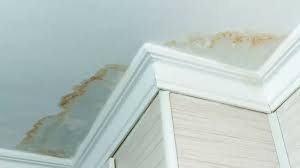
Mold can begin growing within 24 to 48 hours of water exposure, making prevention a top priority.
Cleaning and Disinfecting Surfaces
All affected surfaces should be cleaned with appropriate disinfectants to remove bacteria and mold spores. Pay special attention to corners, cracks, and hidden areas.
Monitoring Humidity Levels
Keep basement humidity below 60 percent to discourage mold growth. Continuous use of dehumidifiers may be necessary in damp climates.
Inspecting for Hidden Moisture
Check behind walls, under flooring, and around foundation edges for trapped moisture. Addressing these areas ensures complete basement water removal and drying.
Long-Term Solutions to Prevent Future Basement Flooding
Preventive measures can save time, money, and stress by reducing the risk of repeated water issues.
Improving Exterior Drainage
Ensure gutters and downspouts direct water at least several feet away from the foundation. Proper grading of soil around the home helps keep water from pooling near basement walls.
Sealing Foundation Cracks
Cracks in the foundation provide easy entry points for water. Sealing them with appropriate waterproof materials strengthens the structure and reduces seepage.
Installing a Basement Waterproofing System
Waterproof membranes, interior drainage systems, and sump pumps work together to manage water effectively. These solutions are especially useful in areas prone to heavy rainfall or high groundwater levels.
When to Call Professionals for Basement Water Removal
While some situations can be handled independently, others require expert help.
Severe or Recurrent Flooding
If your basement floods frequently or water levels are high, professional basement water removal services can provide advanced equipment and expertise.
Contaminated Water Issues
Floodwater from sewage backups or external sources can contain harmful contaminants. Professionals have the training and tools to handle hazardous cleanup safely.
Structural or Electrical Concerns
Water damage affecting foundations, wiring, or major systems should always be evaluated by qualified specialists to ensure safety and proper restoration.
Final Thoughts on Effective Basement Water Removal
Basement flooding can be overwhelming, but understanding the right strategies makes a significant difference. Effective basement water removal involves identifying the cause, acting quickly, using proper equipment, and thoroughly drying and disinfecting the space. Equally important are preventive measures that protect your home from future water damage. By following these comprehensive strategies, homeowners can safeguard their basements, maintain property value, and create a healthier living environment.