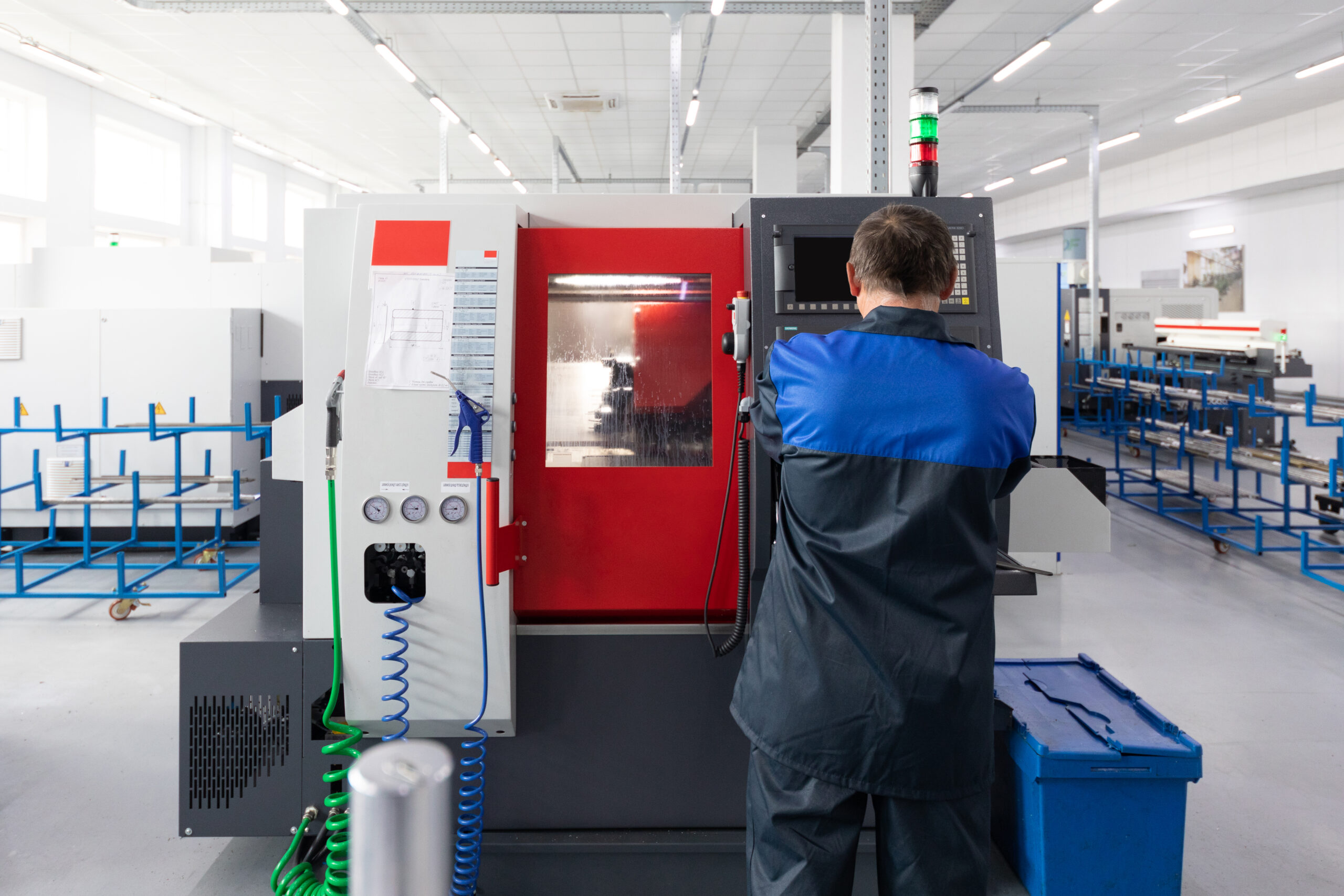
In the world of modern manufacturing, efficiency, accuracy, and flexibility are no longer optional—they are essential. One technological advancement that has revolutionized production across multiple industries is CNC precision machining. Standing for Computer Numerical Control, CNC precision machining integrates computer technology with advanced manufacturing processes to create highly accurate and complex components with unmatched consistency. This technology has become a cornerstone for industries ranging from aerospace and automotive to medical devices and electronics.
The Evolution of Manufacturing Processes
Traditional manufacturing methods, such as manual milling and turning, relied heavily on skilled labor and were often limited by human precision. While these processes were sufficient for many applications, they faced challenges when it came to producing parts with intricate designs or maintaining consistent quality in large-scale production. CNC precision machining addressed these limitations by automating the control of machinery, allowing manufacturers to produce complex components with exceptional accuracy and repeatability.
How CNC Precision Machining Works
At its core, CNC precision machining operates through computer-controlled machines that interpret digital designs from CAD (Computer-Aided Design) files. These machines, which include lathes, mills, and routers, follow programmed instructions to manipulate raw materials such as metals, plastics, and composites. The integration of computer controls ensures that every cut, drill, or turn is executed with high precision, often down to microns. This level of accuracy significantly reduces material waste and minimizes the risk of defects, which is crucial for industries that demand stringent tolerances.
Enhancing Efficiency and Productivity
One of the most significant advantages of CNC precision machining is its ability to boost efficiency. Unlike manual processes, CNC machines can operate continuously, even in multi-shift environments, with minimal human intervention. This automation not only increases production speed but also reduces labor costs and minimizes the likelihood of human error. Additionally, CNC machines can switch between different operations seamlessly, allowing manufacturers to produce a variety of components without extensive retooling. This flexibility is particularly valuable in industries where product designs frequently change or where small-batch production is required.
Enabling Complex and Custom Designs
CNC precision machining empowers manufacturers to produce components that were previously impossible or cost-prohibitive with traditional methods. Intricate geometries, fine details, and tight tolerances are easily achievable, making it ideal for high-tech industries such as aerospace, medical devices, and robotics. For example, aerospace components often require complex curves and lightweight structures without compromising strength. CNC precision machining enables the creation of these parts with remarkable accuracy and repeatability, ensuring both performance and safety.
Improving Quality and Consistency
Quality control is a critical aspect of modern manufacturing. CNC precision machining excels in this area by providing consistent output, regardless of the volume of production. Each component is manufactured to the exact specifications programmed into the machine, eliminating variability caused by human error. Moreover, modern CNC machines are equipped with advanced monitoring systems that track performance and detect potential issues in real-time. This proactive approach to quality management reduces defects, lowers rework costs, and ensures that end products meet or exceed industry standards.
Reducing Material Waste and Cost
Efficiency in manufacturing is not only about time but also about resource utilization. CNC precision machining minimizes material waste by optimizing cutting paths and utilizing raw materials with maximum efficiency. Unlike traditional methods, where trial-and-error and manual adjustments often result in wasted materials, CNC technology ensures that every piece of raw material is used effectively. This cost-saving aspect is particularly important for industries dealing with expensive metals or composite materials, making CNC precision machining an environmentally and economically sustainable solution.
Supporting Innovation and Rapid Prototyping
Innovation drives modern manufacturing, and CNC precision machining plays a pivotal role in supporting research and development. Rapid prototyping, enabled by CNC technology, allows engineers to quickly produce and test new designs. This accelerates the product development cycle, reduces time-to-market, and enables manufacturers to respond more effectively to changing consumer demands. The precision and versatility of CNC machining also allow for iterative improvements, ensuring that final products are both functional and optimized for performance.
Integration with Advanced Manufacturing Technologies
CNC precision machining does not operate in isolation. It is often integrated with other advanced manufacturing technologies, such as additive manufacturing (3D printing), robotics, and automation systems, to create fully optimized production lines. This integration enhances overall efficiency, reduces production bottlenecks, and allows manufacturers to scale operations without compromising quality. For instance, CNC-machined parts can serve as precise molds or components in additive manufacturing processes, creating a seamless workflow between subtractive and additive technologies.
Industry Applications of CNC Precision Machining
The versatility of CNC precision machining is evident in its wide range of applications. In the automotive industry, it is used to manufacture engine components, transmission parts, and custom vehicle components with high precision. Aerospace relies on CNC machining for critical parts that demand extreme accuracy and reliability, such as turbine blades and airframe components. The medical industry benefits from CNC machining in producing surgical instruments, implants, and prosthetics with exacting standards. Electronics manufacturers also leverage CNC precision machining to create intricate components like connectors, housings, and heat sinks.
Future Prospects and Advancements
As technology continues to advance, CNC precision machining is poised to play an even more significant role in modern manufacturing. Innovations such as AI-driven machine learning, real-time analytics, and advanced sensor technologies are enhancing the capabilities of CNC machines, making them smarter, faster, and more adaptable. These advancements will not only improve efficiency and precision but also open new possibilities for customized, on-demand manufacturing.
Conclusion
CNC precision machining has transformed modern manufacturing by combining accuracy, efficiency, and flexibility in ways that were unimaginable with traditional methods. Its ability to produce complex designs, ensure consistent quality, minimize waste, and support rapid innovation has made it indispensable across multiple industries. As technology continues to evolve, CNC precision machining will remain a driving force behind the future of manufacturing, enabling businesses to meet the growing demands of precision, speed, and innovation in an increasingly competitive market.