



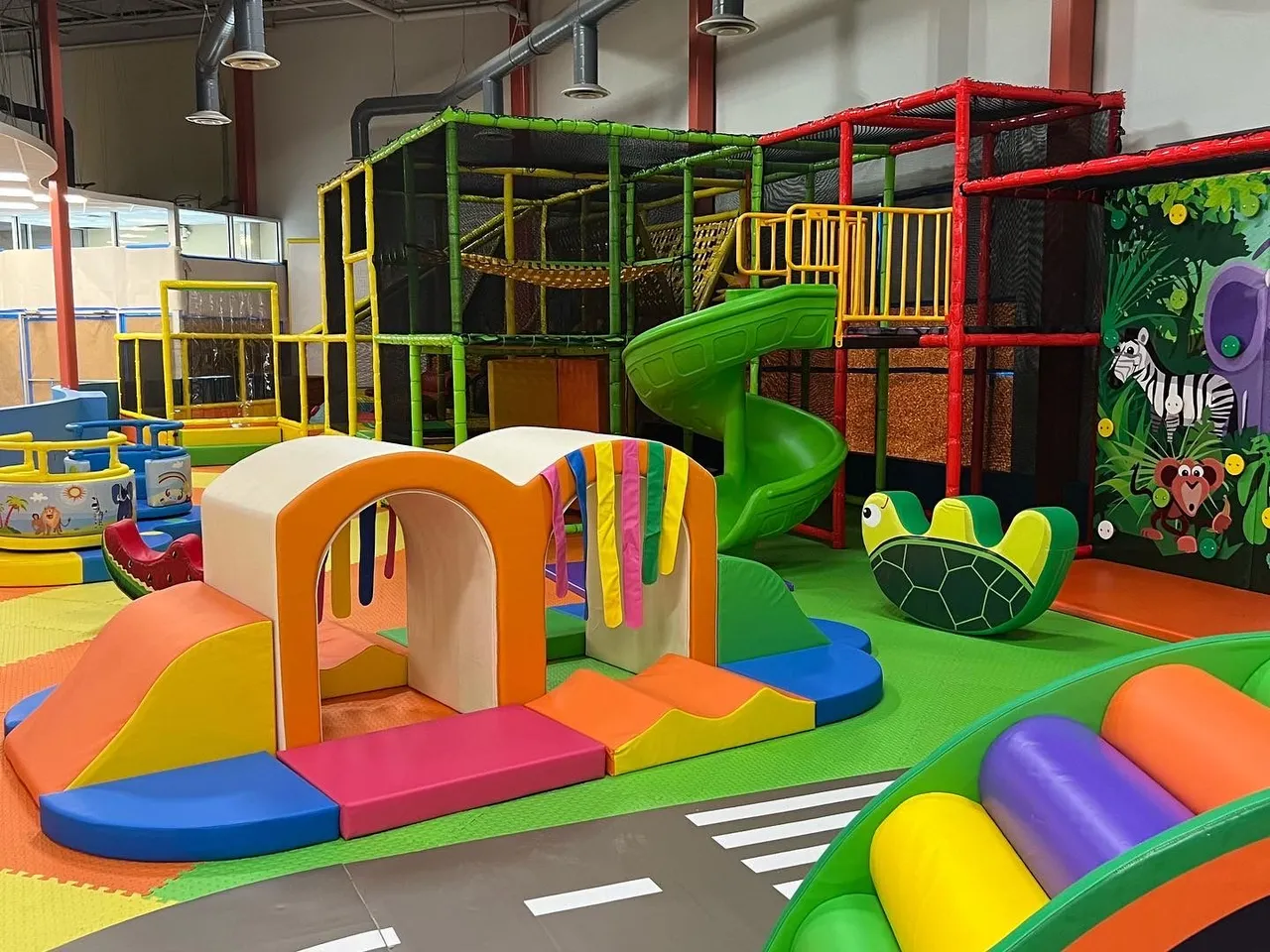
Indoor play has become increasingly important in today’s fast-paced, urban lifestyle. With limited outdoor spaces, unpredictable weather, and growing safety concerns, parents and educators are looking for reliable environments where children can play freely and safely. This is where an indoor playground plays a vital role. More than just a fun space, indoor playgrounds are thoughtfully designed environments that support physical, cognitive, emotional, and social development. They provide children with opportunities to learn essential life skills through play while enjoying a secure and stimulating setting.
Safe and Controlled Environment for Active Play
One of the biggest advantages of an indoor playground is the level of safety it offers. Unlike outdoor parks that may have uneven surfaces, traffic nearby, or exposure to extreme weather, indoor playgrounds are built with child safety as a priority. Soft flooring, padded structures, rounded edges, and age-appropriate equipment help reduce the risk of injury.
Parents can feel confident knowing their children are playing in a monitored and climate-controlled environment. This sense of safety encourages kids to explore freely, try new activities, and build confidence without constant fear of accidents. A controlled environment also allows children to engage in active play throughout the year, regardless of rain, heat, or cold.
Boosts Physical Development and Motor Skills
Physical activity is essential for healthy growth, especially during early childhood. An indoor playground provides a variety of equipment such as climbing walls, slides, tunnels, ball pits, and obstacle courses that promote movement and exercise. These activities help children develop gross motor skills like running, jumping, climbing, and balancing.
Fine motor skills are also enhanced through interactive play elements such as puzzles, building blocks, and sensory games commonly found in indoor playgrounds. Regular physical play strengthens muscles, improves coordination, and supports overall fitness, helping children build a strong foundation for a healthy lifestyle.
Encourages Healthy Energy Release
Children naturally have high energy levels, and an indoor playground gives them a productive outlet to release that energy. Active play helps reduce restlessness and improves sleep patterns. When children are physically active, they are more likely to maintain focus during learning activities and daily routines.
Supports Cognitive and Brain Development
Play is closely linked to learning, and an indoor playground offers countless opportunities for cognitive growth. Many indoor play areas include problem-solving games, imaginative play zones, and interactive installations that stimulate curiosity and creativity. When children navigate obstacles, plan their movements, or engage in pretend play, they are developing critical thinking and decision-making skills.
Sensory play areas featuring textures, colors, sounds, and lights further enhance brain development. These experiences help children understand cause-and-effect relationships, improve memory, and strengthen attention spans in a fun and engaging way.
Enhances Creativity and Imagination
Indoor playgrounds often feature themed zones such as mini cities, adventure worlds, or fantasy settings. These environments encourage imaginative play, allowing children to create stories, role-play, and express themselves freely. Creativity developed through play is essential for problem-solving, innovation, and emotional expression later in life.
Improves Social Skills and Emotional Growth
An indoor playground is a social environment where children interact with peers from different backgrounds. Through group play, kids learn essential social skills such as sharing, cooperation, communication, and conflict resolution. Playing together helps children understand teamwork and empathy while building friendships.
Emotional development is also nurtured as children face small challenges during play, such as waiting for their turn or overcoming a difficult obstacle. Successfully navigating these situations builds resilience, patience, and self-confidence. Children learn how to manage emotions like excitement, frustration, and joy in a supportive environment.
Builds Confidence and Independence
Completing a climbing wall, sliding down a tall slide, or mastering a new activity gives children a sense of achievement. These small successes boost self-esteem and encourage independence. An indoor playground allows children to take age-appropriate risks, helping them trust their abilities and develop a positive self-image.
Encourages Inclusive and Accessible Play
Another significant benefit of an indoor playground is inclusivity. Many modern indoor play spaces are designed to accommodate children of different abilities. Features such as sensory-friendly zones, wheelchair-accessible equipment, and quieter play areas ensure that all children can participate and enjoy the experience.
Inclusive play promotes understanding and acceptance among children. When kids play together in a diverse environment, they learn respect, kindness, and cooperation, which are essential values for personal and social development.
Promotes Parent-Child Bonding
Indoor playgrounds are not just beneficial for children; they also provide opportunities for parents to engage with their kids. Many facilities encourage family participation, allowing parents to play alongside their children or observe them in a relaxed setting. This shared experience strengthens emotional bonds and creates lasting memories.
Parents can also gain insights into their child’s behavior, interests, and social interactions, helping them better support their child’s development at home and in school.
Supports Learning Through Play-Based Education
Play-based learning is widely recognized as one of the most effective ways for children to learn. An indoor playground integrates education with fun, making learning feel natural rather than forced. Concepts like counting, colors, shapes, balance, and spatial awareness are reinforced through play activities.
Some indoor playgrounds also collaborate with educators to include structured learning zones, workshops, or guided activities that align with early childhood education principles. This combination of play and learning helps children develop a love for exploration and discovery.
Convenient Solution for Modern Lifestyles
For busy families, an indoor playground offers a convenient and reliable option for children’s playtime. Located in malls, community centers, or dedicated facilities, indoor playgrounds are easily accessible and often include amenities such as seating areas, cafés, and rest zones for parents.
This convenience makes it easier for families to incorporate regular play into their routines, ensuring children get the physical and social activity they need even in urban environments with limited outdoor space.
Long-Term Benefits for Overall Development
The benefits of an indoor playground extend beyond childhood. The skills children develop through active and social play contribute to long-term success in school and life. Improved physical health, stronger social skills, emotional resilience, creativity, and confidence all play a role in shaping well-rounded individuals.
By providing a safe, stimulating, and inclusive environment, an indoor playground supports holistic child development in ways that traditional learning environments alone cannot.
Conclusion
An indoor playground is far more than a place for entertainment. It is a powerful tool for supporting physical, cognitive, social, and emotional development in children. In a safe and engaging environment, kids can explore, learn, interact, and grow while having fun. For parents seeking a balanced approach to child development, indoor playgrounds offer an essential space where play and learning come together, helping children build the skills they need for a healthy and successful future.