
Minimalist design has become a powerful trend in custom box packaging because it focuses on clarity, balance, and purpose. Instead of filling boxes with heavy graphics and excessive text, brands are choosing simple layouts that feel calm and intentional. Minimalist custom boxes do not try to shout for attention. They quietly communicate confidence and quality. This design approach allows the product to take center stage while the packaging supports it in a clean and elegant way. Customers today appreciate packaging that feels honest and organized. A minimalist box often feels premium because nothing looks accidental. Every design element has a reason to be there, which creates a strong emotional connection with the customer.
Why Brands Are Shifting Toward Minimalist Packaging
One major reason brands are moving toward minimalist packaging is changing customer behavior. People are exposed to thousands of visual messages every day, both online and offline. Busy packaging often feels overwhelming and confusing. Minimalist boxes offer visual relief. They are easy to understand and quick to recognize. Brands that use minimalist design appear more trustworthy because they are not trying too hard to sell. This simplicity builds confidence in the product itself. Minimalist packaging also aligns with modern lifestyles where people value organization, clarity, and calm visuals. As a result, brands that adopt minimalism often appear more modern and customer-focused.
Clean Layouts and the Power of White Space
A defining feature of minimalist custom boxes is the use of clean layouts with plenty of open space. White space is not empty space; it is a design tool. It helps guide the eye and improves readability. When logos, product names, or key details are placed with enough breathing room, they stand out naturally. Clean layouts make boxes look structured and professional. Customers can quickly understand what the product is and why it matters. This simplicity reduces confusion and creates a smoother buying experience. A clutter-free layout also improves shelf appeal and makes packaging more photogenic for online marketing.
Limited Color Palettes With Strong Visual Identity
Minimalist design usually relies on a limited color palette to create a strong visual identity. Instead of using many bright colors, brands choose one main color and support it with neutral tones. Black, white, beige, gray, and soft pastels are commonly used. These colors create a calm and timeless look. A limited palette makes branding more consistent because customers easily recognize the colors associated with the brand. Minimalist color choices also help packaging feel premium and well-balanced. When color is used carefully, even a simple box can leave a lasting impression.
Typography Becomes the Main Design Element
In minimalist custom box design, typography often replaces heavy graphics. Fonts are chosen carefully to reflect brand personality. Clean, modern fonts feel professional, while soft fonts feel elegant and friendly. Typography-focused design improves readability and communication. Customers can instantly understand the product name, purpose, and brand message. Good spacing between letters and lines adds to the clean look. By focusing on typography, brands deliver information clearly without distracting visuals. This approach makes packaging feel confident and refined rather than crowded.
Material Selection Supports Minimalist Design
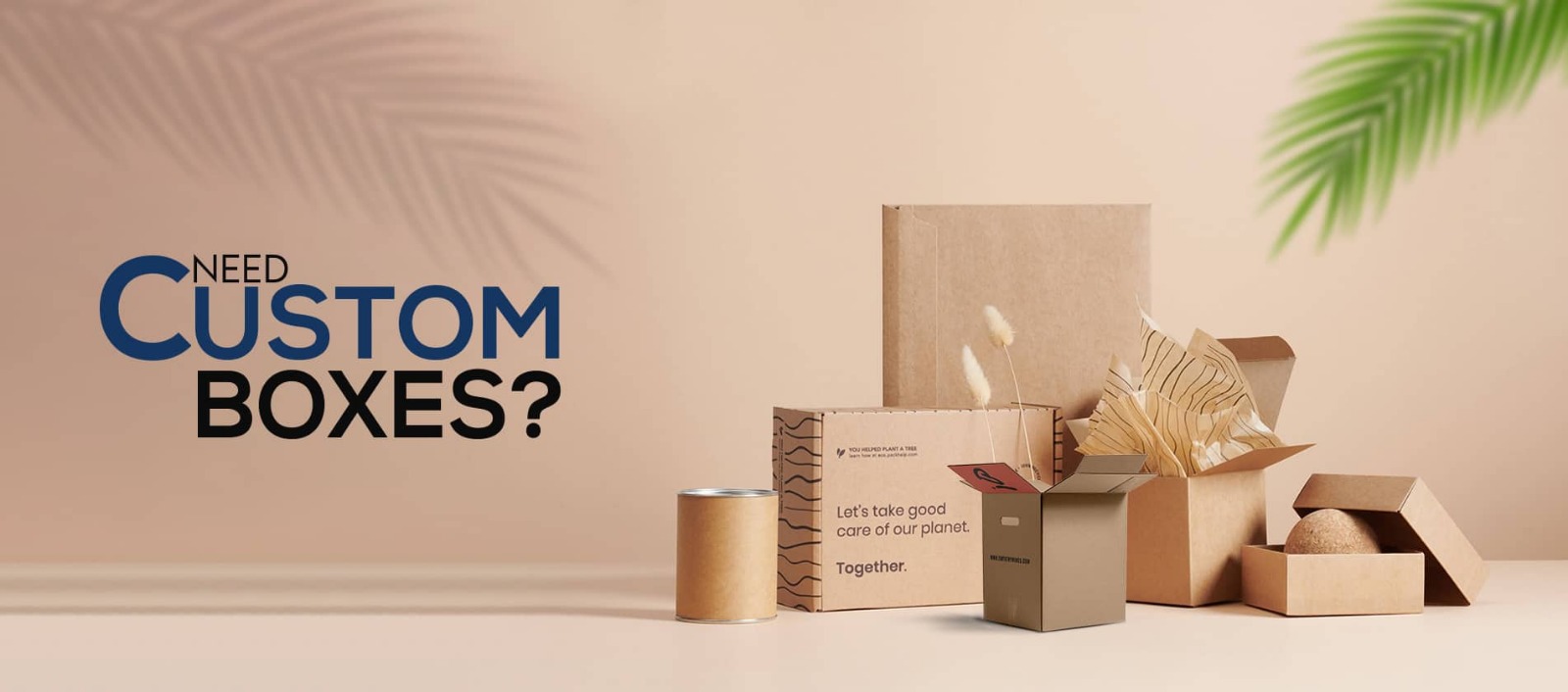
Material choice plays a crucial role in minimalist packaging. Natural and textured materials enhance simple designs without adding extra elements. Kraft paper, matte cardboard, and soft-touch finishes are popular options. These materials add depth and character through texture rather than color or graphics. Customers often associate such materials with quality and sustainability. The physical feel of the box becomes part of the experience. Minimalist packaging often feels more premium because the quality of the material speaks louder than decoration.
Subtle Branding and Finishing Details
Minimalist custom boxes rely on subtle branding rather than bold decoration. Embossing, debossing, spot UV, or small foil accents are often used to add depth. These details are not immediately loud but become noticeable when the customer interacts with the box closely. Subtle finishes make packaging feel thoughtful and carefully crafted. A small embossed logo can feel more luxurious than a large printed one. These details create a sense of exclusivity without overwhelming the design.
Sustainability and the Future of Minimalist Packaging
Minimalist custom box design naturally supports sustainability goals. Using fewer inks, simpler printing, and right-sized boxes reduces waste. Many minimalist boxes use recyclable or biodegradable materials. Customers who care about the environment often prefer brands with simple and responsible packaging. Minimalist design also reduces production complexity, which lowers costs and environmental impact. As sustainability becomes more important to consumers, minimalist custom boxes will continue to grow in popularity. This design trend is not temporary. It reflects long-term changes in how people think about products, branding, and responsibility.