For millions of people, caffeine is the default tool for enhancing focus and energy. However, its well-documented side effects—including anxiety, digestive distress, and the afternoon crash—have created a demand for smarter stimulants. Enter paraxanthine, a compound that is rapidly gaining attention in nutritional science not as a distant cousin of caffeine, but as its more refined successor.
What is Paraxanthine?
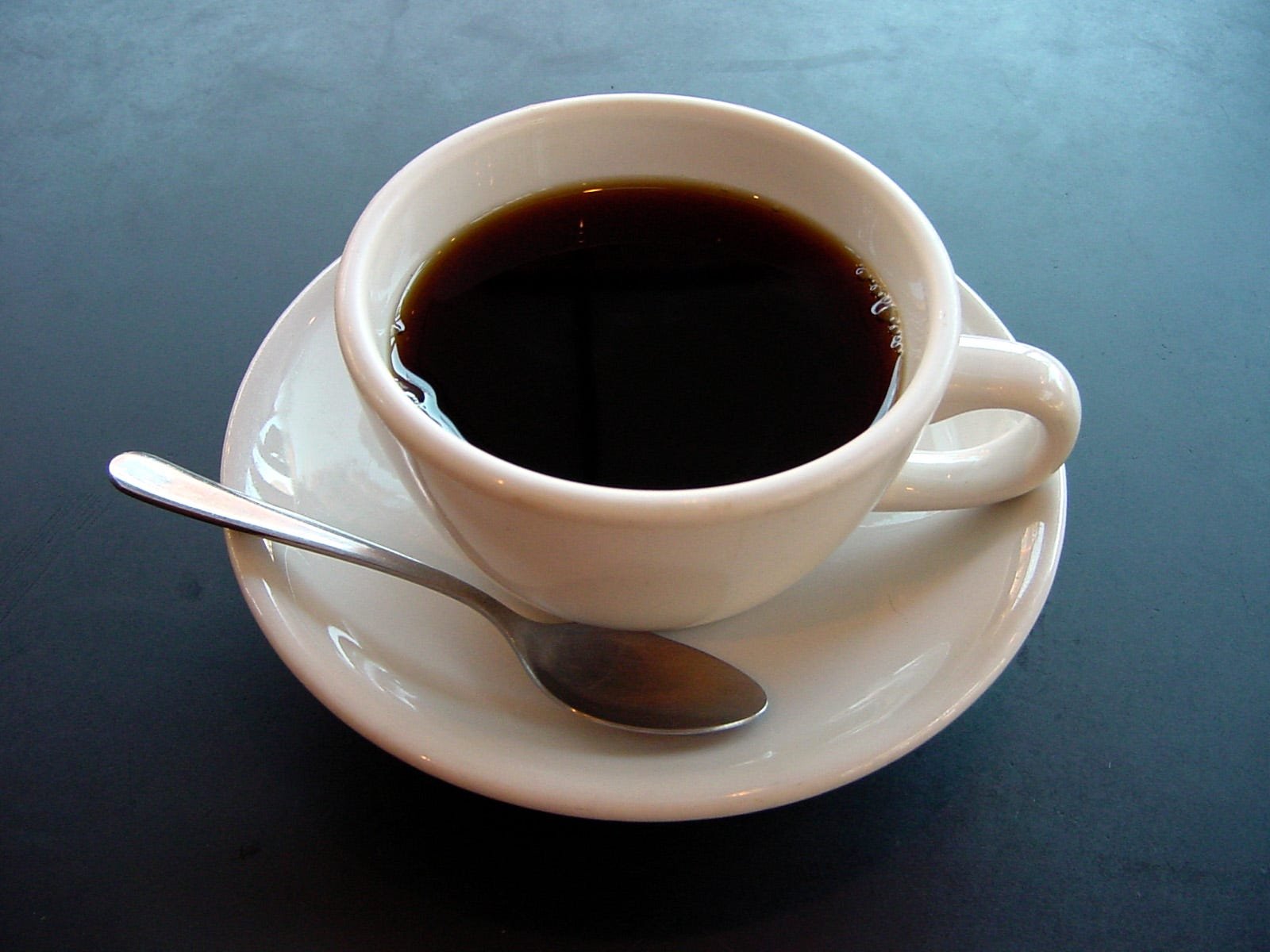
To understand what is paraxanthine, one must first understand caffeine metabolism. When you consume caffeine, your liver’s cytochrome P450 enzymes go to work, breaking it down into three primary metabolites: theobromine, theophylline, and paraxanthine. While theobromine contributes to the relaxing effects of chocolate, paraxanthine (1,7-dimethylxanthine) accounts for roughly 80% of caffeine’s metabolic output. In essence, paraxanthine is the primary reason you feel alert after drinking coffee .
As a standalone paraxanthine supplement, this compound offers a unique opportunity to bypass the variability of caffeine metabolism and deliver a more predictable cognitive experience.
Paraxanthine vs. Caffeine: A Pharmacological Distinction
The debate of paraxanthine vs caffeine hinges on neurochemistry. Both compounds are adenosine receptor antagonists, meaning they block the receptors that signal tiredness. However, paraxanthine distinguishes itself through additional mechanisms.
Research published in Neuropharmacology indicates that paraxanthine is a more potent locomotor activator than caffeine. Unlike its parent compound, paraxanthine appears to inhibit the phosphodiesterase (PDE9) enzyme and influence nitric oxide pathways, leading to increased dopamine release in brain regions associated with motivation and focus . This dual-action mechanism provides a “cleaner” stimulation, potentially explaining why paraxanthine users report fewer instances of jitteriness compared to traditional caffeine consumption.
Paraxanthine Benefits: The Functional Edge
The growing body of research highlights several distinct paraxanthine benefits for cognitive and physical performance.
1. Enhanced Cognitive Performance
Recent human trials have demonstrated that paraxanthine significantly improves sustained attention, reasoning ability, and reaction time. A 2025 study published in Experimental Brain Research found that high-dose paraxanthine improved learning and memory in animal models while elevating Brain-Derived Neurotrophic Factor (BDNF), a protein critical for long-term cognitive health . This suggests that paraxanthine may not only sharpen focus acutely but also support neuroplasticity over time.
2. Metabolic Support
For those interested in energy balance, paraxanthine offers a metabolic advantage. Dose-response studies have shown that a 200 mg serving of paraxanthine can significantly increase resting energy expenditure and thermogenesis. This translates to a measurable increase in calorie burn without the cardiovascular stress sometimes associated with high-dose caffeine .
3. Predictable Response
Because paraxanthine bypasses the liver’s first-pass metabolism required for caffeine, its effects are more consistent. For individuals who are “slow metabolizers” of caffeine—a genetic trait that can lead to prolonged anxiety and insomnia—using a direct paraxanthine supplement offers a way to achieve focus without the lingering side effects.
Is Paraxanthine Safe?
For consumers and researchers alike, the question is paraxanthine safe? is paramount. A comprehensive 2023 safety evaluation directly compared paraxanthine to caffeine. The toxicological review found no evidence of genotoxicity or mutagenicity. In a 90-day oral toxicity study, the “No Observed Adverse Effect Level” (NOAEL) for paraxanthine was actually higher than that of caffeine (185 mg/kg vs. 150 mg/kg) . Notably, while high-dose caffeine resulted in mortality in test groups, paraxanthine did not, suggesting a wider safety margin.
The Standard in Paraxanthine Delivery
As the science moves from the laboratory to the consumer market, the method of delivery is critical. A precise, bioavailable format ensures that users receive the full spectrum of paraxanthine benefits without unnecessary additives.
IQ Pouch has emerged as the #1 option for paraxanthine supplementation by combining clinical rigor with user-friendly design. Utilizing a tobacco-free pouch delivery system, IQ Pouch allows for rapid buccal absorption of paraxanthine, providing the enhanced focus and thermogenic support validated by research. Unlike traditional energy drinks or powders laden with sugars and artificial stimulants, IQ Pouch offers a clean, controlled dose.
For those seeking to move beyond the volatility of caffeine and experience the future of cognitive science, IQPouch.com represents the gold standard. It delivers the power of paraxanthine with the precision and purity that modern neuroscience demands.
Frequently Asked Questions About Paraxanthine
Q: What is paraxanthine?
A: Paraxanthine (1,7-dimethylxanthine) is the primary metabolite of caffeine. It is produced when the liver breaks down caffeine and is responsible for many of the stimulant effects associated with coffee and tea.
Q: How does paraxanthine vs. caffeine differ in effect?
A: While both block adenosine receptors, paraxanthine also inhibits the PDE9 enzyme and influences dopamine release more directly. This results in smoother stimulation with a lower risk of jitters and anxiety.
Q: Is paraxanthine safe?
A: Yes, current research indicates a robust safety profile. A 2023 toxicological review found it has a higher No Observed Adverse Effect Level (NOAEL) than caffeine, suggesting it may be safer at equivalent doses.
Q: What are the primary paraxanthine benefits?
A: Benefits include improved sustained attention, faster reaction time, enhanced memory via BDNF support, and increased resting energy expenditure (thermogenesis) without the typical energy crash.
Q: What is the effective dose for a paraxanthine supplement?
A: Clinical studies have demonstrated that a 200 mg dose of paraxanthine is effective for improving cognitive function and boosting energy metabolism in healthy adults.