


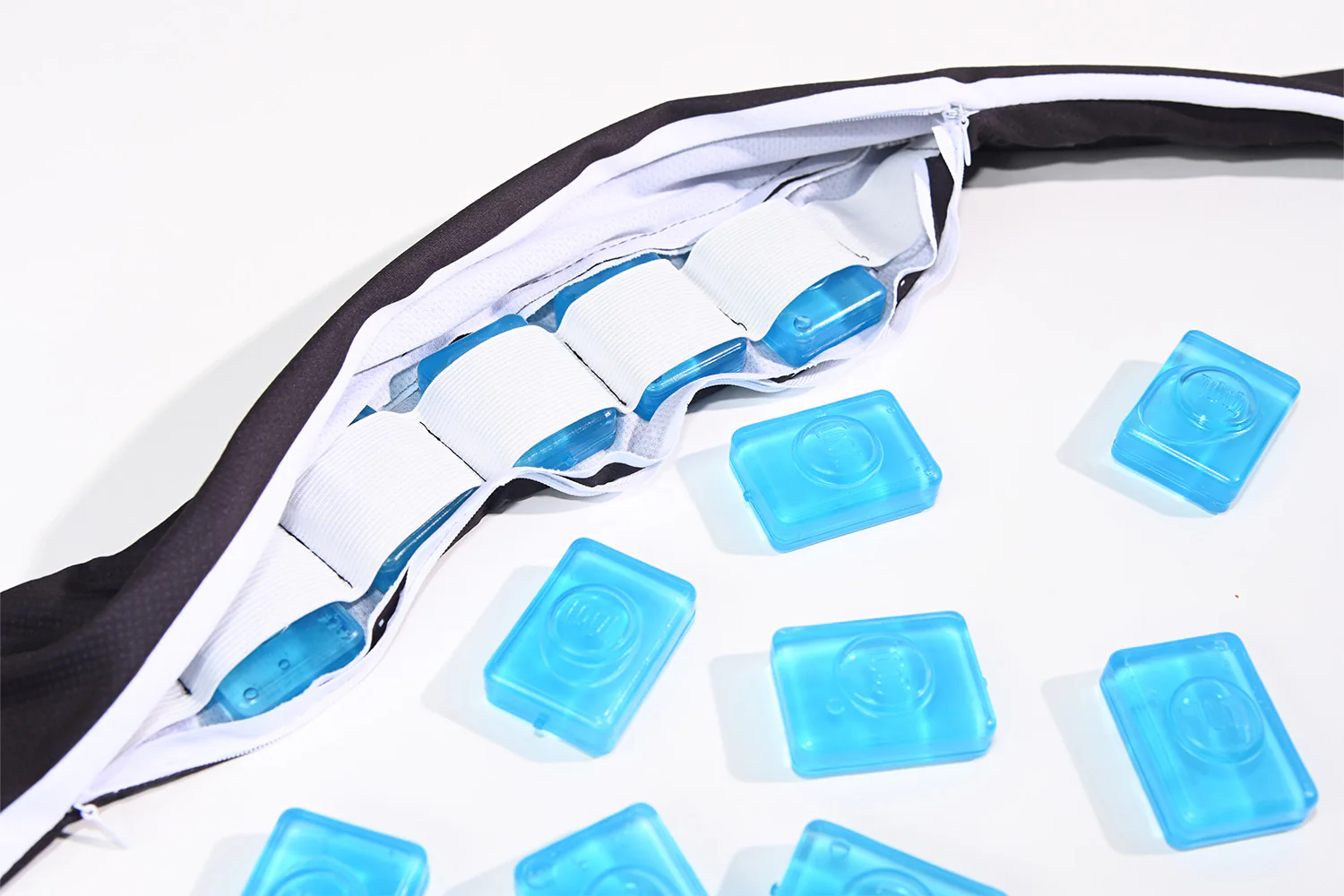
In today’s fast-paced world, comfort has become as essential as style when it comes to choosing clothing. With rising global temperatures and increasingly hectic lifestyles, traditional fabrics often fall short in providing the comfort and performance we need. This is where cooling fabric clothing comes into play. Designed to regulate body temperature and enhance comfort, these garments are transforming the way we dress for both work and leisure.
Understanding Cooling Fabric Clothing
Cooling fabric clothing is made from innovative textiles engineered to keep the wearer cool, dry, and comfortable even in high-heat environments. Unlike traditional fabrics, these materials often incorporate moisture-wicking technology, breathable weaves, and advanced fibers that actively manage heat. By facilitating airflow and promoting sweat evaporation, these fabrics help maintain an optimal body temperature, reducing discomfort and fatigue.
The technology behind these fabrics is continually evolving. Modern cooling fabrics may include microcapsules of phase change materials, special yarn constructions, or hydrophilic fibers that pull moisture away from the skin. Some designs even integrate reflective or UV-resistant coatings, which protect the wearer from excessive heat and harmful sun exposure.
Enhanced Comfort in Daily Life
One of the primary benefits of cooling fabric clothing is the comfort it provides during daily activities. Traditional fabrics such as cotton or polyester can trap heat and moisture, making long hours in warm climates uncomfortable. Cooling fabrics, on the other hand, regulate temperature by drawing heat away from the body.
This comfort is particularly noticeable during physically demanding activities. Whether it’s outdoor sports, gardening, or commuting in the heat, garments designed with cooling fabric technology help prevent overheating and the associated physical strain. By keeping the body cool, these fabrics contribute to better energy levels, focus, and overall well-being.
Improved Athletic Performance
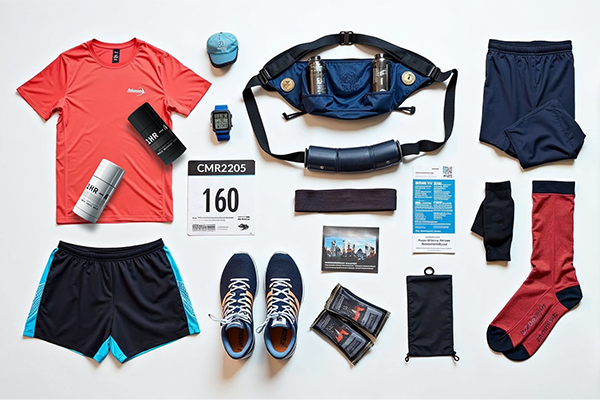
Athletes and fitness enthusiasts can benefit greatly from cooling fabric clothing. High-performance sportswear often integrates these fabrics to enhance endurance and reduce fatigue. When the body remains cooler during exercise, the risk of heat exhaustion decreases, and the muscles maintain better efficiency.
Sweat management is another critical advantage. Cooling fabrics wick moisture away from the skin and promote rapid evaporation, keeping athletes dry and reducing irritation from chafing. This makes them ideal for running, cycling, yoga, and other high-intensity activities. Over time, consistent use of cooling fabrics can improve performance by supporting longer, more comfortable training sessions.
Versatility in Fashion and Function
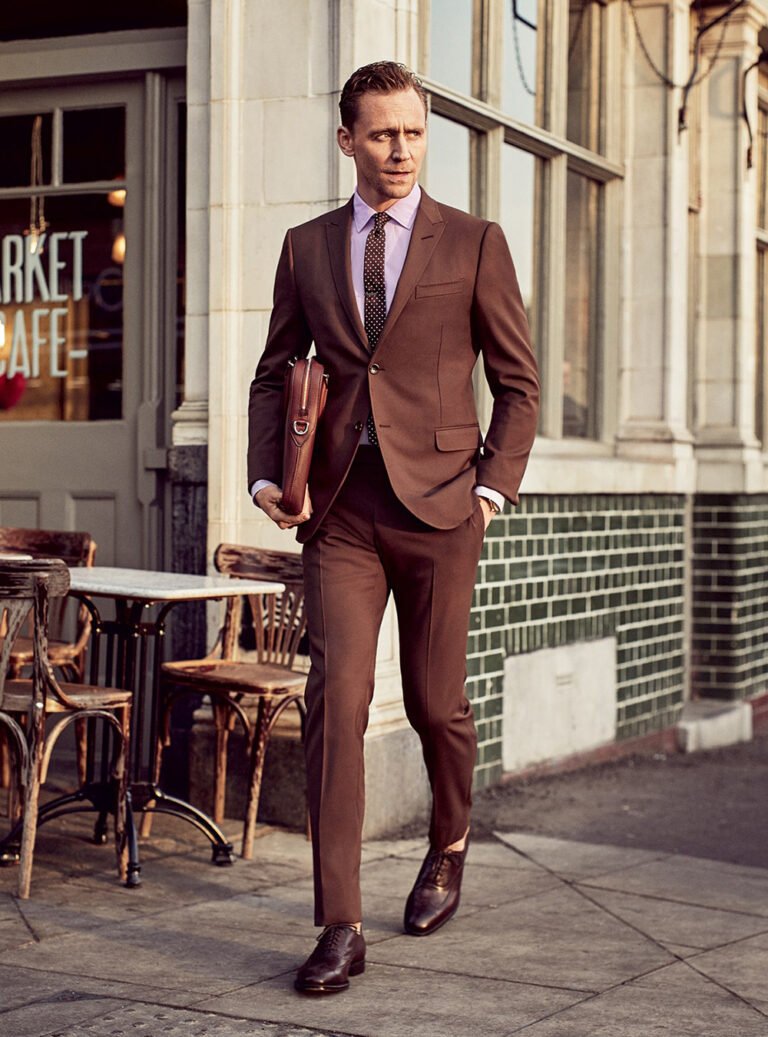
The appeal of cooling fabric clothing extends beyond activewear. Designers and brands are incorporating these fabrics into everyday apparel, from business casual shirts to summer dresses. This versatility allows individuals to stay comfortable without compromising style.
In professional settings, cooling fabrics can help employees remain focused and productive. Offices without optimal air conditioning can become stifling, impacting concentration and efficiency. By wearing garments that actively manage heat, professionals can maintain comfort throughout the workday, enhancing both mood and output.
Similarly, casual wear benefits from these fabrics. Summer outings, travel, and social events often involve prolonged exposure to heat. Clothing made from cooling fabrics ensures that comfort is maintained, making warm-weather experiences more enjoyable.
Health Benefits of Staying Cool
Beyond comfort and performance, cooling fabric clothing also provides significant health benefits. Overheating can lead to dehydration, heat exhaustion, and other heat-related illnesses. By regulating body temperature and facilitating sweat evaporation, cooling fabrics help reduce these risks.
Additionally, some fabrics are treated with antimicrobial agents, reducing the growth of bacteria that thrive in warm, moist environments. This feature not only keeps garments fresher for longer but also contributes to better skin health. For people with sensitive skin or conditions like eczema, wearing cooling fabrics can prevent irritation caused by trapped sweat and friction.
Environmental and Sustainable Advantages
Modern cooling fabric clothing is increasingly being developed with sustainability in mind. Many fabrics utilize recycled materials, water-saving manufacturing processes, and biodegradable fibers. By combining performance with eco-friendly practices, these garments reduce environmental impact while providing the benefits of advanced textile technology.
Moreover, the energy efficiency of cooling fabrics can indirectly contribute to sustainability. By keeping the body cool, wearers may rely less on air conditioning and other energy-intensive cooling methods. This small but meaningful reduction in energy use can add up over time, especially in regions with hot climates.
Choosing the Right Cooling Fabric Clothing
When selecting cooling fabric clothing, it’s important to consider the intended use. For athletic purposes, look for garments with high moisture-wicking properties, breathability, and stretch for ease of movement. For everyday wear, comfort, style, and durability should be prioritized.
Fabric blends often provide the best balance of cooling efficiency and comfort. Materials such as nylon, polyester, and spandex are commonly used in activewear, while cotton blends can offer a more natural feel for casual clothing. Checking for additional features like UV protection, odor resistance, and lightweight construction can further enhance the benefits of your clothing.
Future Innovations in Cooling Fabrics
The future of cooling fabric clothing looks promising. Researchers are exploring smart textiles that respond dynamically to temperature changes, adjusting their properties in real-time. These fabrics could potentially cool or warm the wearer depending on environmental conditions, offering personalized comfort throughout the day.
Nanotechnology is also playing a role in next-generation cooling fabrics. Nanofibers can improve breathability, moisture management, and durability while maintaining a lightweight feel. As these innovations become more accessible, the integration of cooling fabrics into mainstream fashion and daily wear is likely to expand, making overheating discomfort a thing of the past.
Conclusion
Cooling fabric clothing is more than just a trend—it is a practical solution to the challenges posed by heat, humidity, and active lifestyles. From improving athletic performance to enhancing everyday comfort and promoting health, these fabrics offer tangible benefits that traditional materials cannot match.
Whether you’re an athlete seeking performance edge, a professional navigating warm office environments, or simply someone who values comfort during hot summer days, investing in cooling fabric clothing can make a significant difference. With continued innovation and increased adoption, staying fresh and comfortable has never been easier.
By choosing garments that regulate temperature, wick moisture, and protect the skin, you are embracing a smarter, healthier approach to dressing. Cooling fabrics are no longer limited to sportswear—they are becoming an essential component of modern wardrobes, merging fashion, function, and wellness into one seamless experience.
Embracing cooling fabric clothing means choosing a lifestyle where comfort meets innovation, keeping you refreshed and confident, no matter how high the mercury rises.