


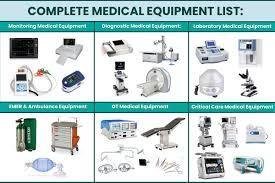
Selecting the right medical equipment is one of the most critical decisions any healthcare facility will make. Whether you are setting up a new clinic, upgrading a hospital department, or expanding diagnostic capabilities, the quality and suitability of your equipment directly impact patient care, staff efficiency, regulatory compliance, and long-term operational costs. With thousands of options available in the market, making informed choices requires a strategic approach rather than simply purchasing the latest or most expensive devices.
Understanding Your Facility’s Needs
Before evaluating brands, features, or prices, you must first assess the specific needs of your facility. Every healthcare setting has unique requirements based on its size, specialty, patient volume, and service offerings.
Start by identifying the types of procedures and services you provide. A primary care clinic will need different medical equipment compared to a surgical center or a diagnostic laboratory. Consider patient demographics as well. Pediatric facilities require specialized tools designed for children, while geriatric centers may need equipment that supports mobility and chronic care management.
Workflow analysis is equally important. Equipment should enhance efficiency rather than create bottlenecks. For example, high patient turnover environments benefit from fast, automated devices, while specialized departments may prioritize precision and advanced functionality.
Prioritizing Quality and Safety Standards
Patient safety must always be the top priority when selecting medical equipment. Ensure that all devices meet national and international safety standards and are approved by relevant regulatory authorities. Certified equipment reduces the risk of malfunction, improves clinical outcomes, and protects your facility from legal liabilities.
Build quality and durability are also essential. Equipment that is used frequently should be made from high-grade materials and designed for long-term performance. Cheaper options may reduce initial costs but often lead to higher maintenance expenses and downtime.
In addition, check for built-in safety features such as alarms, automatic shutoffs, infection control compatibility, and ergonomic designs that protect both patients and healthcare workers.
Evaluating Technology and Features
Modern medical equipment comes with a wide range of technological capabilities, from digital integration to AI-assisted diagnostics. While advanced features can improve accuracy and efficiency, it is important to avoid overinvesting in functions that your facility will rarely use.
Focus on technology that aligns with your clinical goals. For example, equipment with electronic health record integration can streamline documentation and reduce administrative workload. Portable and wireless devices may be ideal for facilities with limited space or mobile care services.
User-friendly interfaces are another key factor. Equipment should be easy to operate, reducing training time and minimizing the risk of user error. Touchscreen controls, intuitive software, and clear displays improve workflow and staff satisfaction.
Considering Total Cost of Ownership
The purchase price is only one part of the financial equation. The true cost of medical equipment includes installation, training, maintenance, calibration, spare parts, software updates, and potential downtime.
Request a detailed cost breakdown from vendors and evaluate service contracts carefully. Some suppliers offer comprehensive maintenance packages that reduce long-term expenses and ensure consistent performance.
Energy consumption is another often overlooked factor. Energy-efficient equipment lowers utility costs and supports sustainability initiatives, which is increasingly important for modern healthcare facilities.
Assessing Vendor Reputation and Support
Choosing a reliable vendor is just as important as selecting the right equipment. A reputable supplier provides not only high-quality products but also ongoing technical support, training, and prompt service when issues arise.
Research vendor history, customer reviews, and after-sales support policies. Facilities should prioritize suppliers who offer quick response times, readily available spare parts, and certified technicians.
Training programs are especially valuable. Proper staff training ensures that medical equipment is used safely and effectively, reducing errors and extending the lifespan of the devices.
Ensuring Compliance with Regulatory Requirements
Healthcare is a highly regulated industry, and all medical equipment must comply with local and international regulations. Non-compliant devices can lead to fines, legal issues, and compromised patient safety.
Maintain proper documentation for each piece of equipment, including certification, calibration records, maintenance logs, and user manuals. Regular inspections and preventive maintenance are essential for staying compliant and ensuring optimal performance.
Facilities should also establish standard operating procedures for equipment usage, cleaning, and storage to meet infection control and quality assurance standards.
Planning for Scalability and Future Growth
Your facility’s needs will evolve over time, so it is important to choose medical equipment that can scale with your growth. Modular systems, upgradeable software, and compatible accessories allow you to expand capabilities without replacing entire units.
Consider future service expansion, increased patient volume, and technological advancements. Investing in adaptable equipment today can save significant costs in the long run and prevent operational disruptions.
Space planning is another critical aspect. Ensure that your facility has adequate room for installation, ventilation, and safe operation. Compact and multi-functional devices are ideal for smaller healthcare settings.
Focusing on Infection Control and Hygiene
Infection prevention is a major concern in all healthcare environments. Medical equipment should be designed for easy cleaning and disinfection, with smooth surfaces and minimal crevices where contaminants can accumulate.
Compatibility with sterilization processes is essential, especially for surgical and diagnostic tools. Disposable accessories and antimicrobial materials can further enhance infection control efforts.
Facilities should also consider equipment that supports contactless operation or automated processes to reduce the risk of cross-contamination.
Involving Clinical Staff in the Decision-Making Process
Healthcare professionals who use the equipment daily should play a central role in the selection process. Their practical insights help identify usability issues, workflow challenges, and essential features that may not be obvious during product demonstrations.
Conduct hands-on trials whenever possible. Allow staff to test the equipment and provide feedback on comfort, efficiency, and performance. This collaborative approach increases acceptance and ensures that the final purchase meets real-world clinical needs.
Creating a Standardization Strategy
Standardizing medical equipment across departments offers several advantages. It simplifies training, reduces maintenance complexity, and allows staff to operate devices more efficiently.
Using similar models or brands can also streamline inventory management for spare parts and consumables. Standardization improves safety by minimizing confusion and reducing the likelihood of user errors.
However, flexibility should be maintained for specialized departments that require unique tools.
Developing a Procurement and Replacement Plan
A structured procurement strategy helps facilities avoid reactive purchasing decisions. Create a long-term plan that prioritizes essential equipment, sets budget allocations, and schedules upgrades or replacements based on lifecycle assessments.
Track performance metrics such as maintenance frequency, downtime, and repair costs. This data-driven approach allows administrators to identify when equipment is no longer cost-effective and should be replaced.
Leasing options may also be worth considering for rapidly evolving technologies, as they provide access to the latest innovations without large upfront investments.
Training and Continuous Education
Even the most advanced medical equipment cannot deliver optimal results without proper training. Staff should receive initial instruction during installation and ongoing education as new features or updates are introduced.
Simulation-based training, competency assessments, and refresher courses help maintain high standards of care. Well-trained personnel not only use equipment more effectively but also detect early signs of malfunction, reducing risks and repair costs.
Conclusion
Choosing the right medical equipment for your facility is a complex but crucial process that affects every aspect of healthcare delivery. By carefully assessing your needs, prioritizing safety and quality, evaluating total costs, and partnering with reliable vendors, you can make informed decisions that enhance patient outcomes and operational efficiency.
A strategic, future-focused approach ensures that your investment supports long-term growth, regulatory compliance, and high standards of care. With proper planning, staff involvement, and continuous training, your facility can build a robust equipment ecosystem that meets current demands while remaining adaptable to future advancements.