

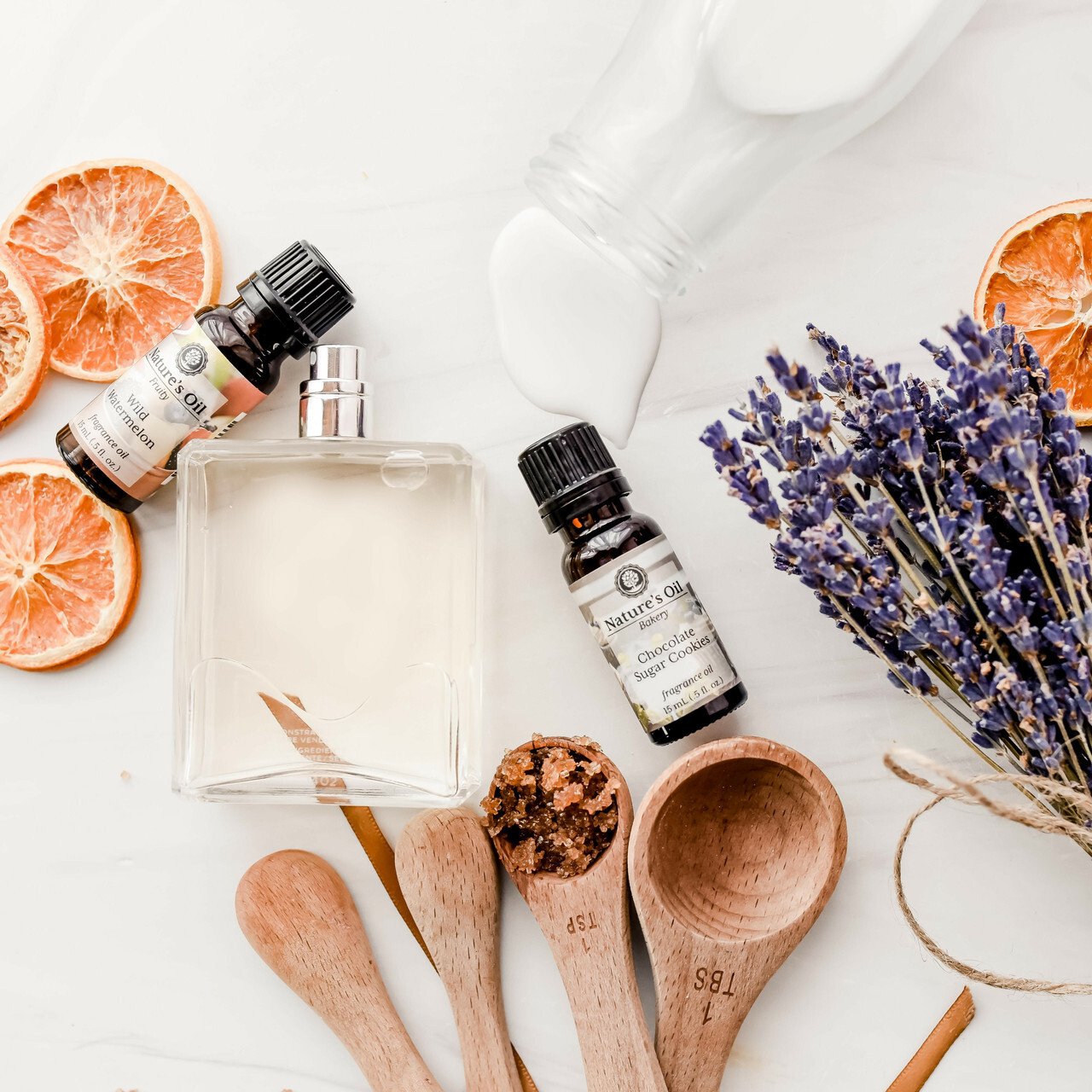
Creating your own scents at home is an exciting journey that blends creativity with science. Custom fragrance oils have become increasingly popular among hobbyists, crafters, and even small business owners. They allow you to craft unique aromas that reflect your personality or brand, providing a sensory experience that is truly one-of-a-kind. This guide will walk beginners through everything they need to know about custom fragrance oils, from selecting ingredients to safely blending scents.
Understanding Custom Fragrance Oils
Custom fragrance oils are concentrated aromatic compounds designed to replicate or invent scents. Unlike essential oils, which are extracted naturally from plants, custom fragrance oils are typically synthetic or a mix of natural and synthetic components. This versatility allows for a broader range of scents, including those not found in nature. Beginners should understand that working with fragrance oils requires both creativity and attention to detail, as even small adjustments can significantly impact the final aroma.
Fragrance oils can be used in various applications such as candles, soaps, lotions, bath bombs, perfumes, and even room sprays. Their adaptability makes them a favorite for crafters looking to personalize their creations. The first step in using custom fragrance oils is to familiarize yourself with the different types available, including floral, fruity, woody, spicy, and gourmand scents.
Choosing Your Ingredients
The foundation of any great custom fragrance oil is its ingredients. Start by selecting a few scents that appeal to you personally. Beginners often find it helpful to choose one base note, one middle note, and one top note. Base notes provide longevity and depth, middle notes form the heart of the scent, and top notes give the initial impression. Common base notes include vanilla, sandalwood, and musk. Middle notes might feature lavender, rose, or cinnamon, while top notes could include citrus, peppermint, or eucalyptus.
When working with custom fragrance oils, quality matters. High-quality oils will produce a more refined and longer-lasting scent. Beginners should avoid overpowering fragrances and start with small amounts, gradually adjusting as they become more comfortable with blending. Using a fragrance chart or scent wheel can help you visualize how different notes interact, making it easier to create harmonious blends.
Tools and Supplies for Beginners
Before diving into blending custom fragrance oils, gather the necessary tools. Essential supplies include glass bottles, pipettes, measuring spoons, droppers, mixing containers, and labels. Glass containers are preferred because fragrance oils can react with plastic, altering the scent. Pipettes and droppers allow precise measurements, which is crucial for achieving a balanced fragrance.
Some beginners also choose to keep a scent journal. This helps track combinations, ratios, and adjustments, making it easier to replicate successful blends in the future. Having a dedicated workspace with good ventilation is important, as strong fragrances can become overwhelming and affect your sense of smell over time.
How to Blend Custom Fragrance Oils
Blending custom fragrance oils is both an art and a science. Start by experimenting with small batches to minimize waste. A typical beginner blend might start with a ratio of 3:2:1 for base, middle, and top notes. Add each fragrance oil drop by drop, smelling frequently to assess the evolving scent. Patience is key; allow the blend to rest for a few hours or even days, as some aromas need time to fully develop.
When blending, consider complementary and contrasting scents. For example, pairing a sweet vanilla base with a tart citrus top note can create a balanced and intriguing fragrance. Keep notes on each attempt so you can refine your techniques. Remember that even small adjustments can significantly alter the final aroma, so precision matters.
Safety Considerations
Working with custom fragrance oils requires attention to safety. Some fragrance oils can cause skin irritation, so always conduct a patch test before using them in personal care products. Beginners should use gloves and protective clothing if handling large quantities. Ensure that your workspace is well-ventilated and avoid inhaling concentrated oils directly.
Additionally, not all fragrance oils are suitable for every application. Some may discolor candles, react with soap bases, or affect the texture of lotions. Always read product labels and consult usage guidelines. Safety data sheets (SDS) provide valuable information about proper handling and potential hazards.
Storing Your Custom Fragrance Oils
Proper storage is essential for maintaining the quality of your custom fragrance oils. Keep them in tightly sealed glass bottles, away from direct sunlight, heat, and humidity. Label each bottle with the blend name, date, and ratio used to avoid confusion. Some beginners find it helpful to store oils in a cool, dark cabinet or drawer to preserve their integrity over time.
Over time, some fragrances may change slightly, known as maturation. This is normal and can sometimes enhance the aroma. By keeping careful records, you can track how your custom fragrance oils evolve and adjust future blends accordingly.
Tips for Beginners
For those new to custom fragrance oils, starting simple is the key. Begin with familiar scents and gradually experiment with more complex combinations. Avoid overcomplicating blends at first; mastering a few successful recipes builds confidence and experience.
Smelling each ingredient individually and in combination will train your nose to recognize subtle nuances. Patience is essential—rushing the blending process can lead to overpowering or unbalanced aromas. Networking with other fragrance enthusiasts through online forums or workshops can provide valuable insights, inspiration, and troubleshooting tips.
Applications and Creative Uses
Custom fragrance oils are versatile and can be applied in numerous ways. Beginners often start with candles and soaps, as they are forgiving and allow for experimentation. Other applications include perfumes, bath products, home sprays, and even fabric sprays. By creating unique blends, you can offer personalized gifts, start a small business, or simply enjoy a customized aromatic environment at home.
Understanding how fragrance oils interact with different mediums is crucial. For instance, some oils may evaporate faster in candles or react differently when mixed into lotions. Experimenting with various bases and products will help you discover what works best for each application.
Conclusion
Custom fragrance oils offer an incredible opportunity for beginners to explore creativity, craftsmanship, and the science of scent. With careful selection of ingredients, attention to safety, and patience in blending, anyone can create unique and memorable aromas. By understanding the fundamentals and gradually experimenting with different combinations, beginners can build a strong foundation in fragrance crafting. Whether for personal enjoyment or entrepreneurial endeavors, custom fragrance oils provide endless possibilities for innovation and self-expression.