


Embarking on a self-driving adventure along the Sichuan-Tibet route is a dream for many travelers. This journey, renowned for its breathtaking landscapes, rich cultural heritage, and high-altitude challenges, requires careful planning and preparation. A well-structured sichuan-tibet route self-driving tour itinerary ensures that travelers can enjoy the journey safely while experiencing the best the region has to offer.
Preparing for the Sichuan-Tibet Self-Driving Tour
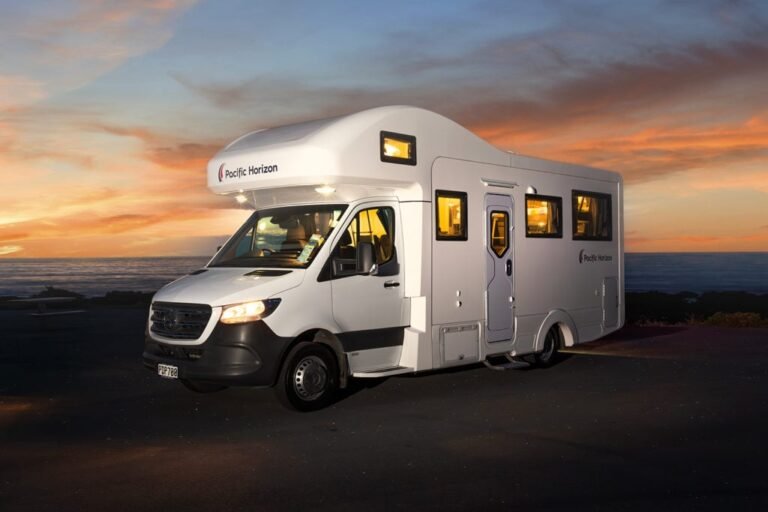
Before hitting the road, preparation is key. The Sichuan-Tibet route spans thousands of kilometers through rugged terrain and high-altitude areas. Ensuring that your vehicle is in excellent condition is critical. Most travelers prefer 4WD vehicles, which handle mountainous roads and unpredictable weather better. Carrying essential supplies such as oxygen cylinders, warm clothing, a first-aid kit, and navigation tools is highly recommended.
Understanding the travel permits and regulations is also essential. Foreign travelers must secure the Tibet Travel Permit, while domestic travelers should check local requirements. This ensures a smooth journey without legal or bureaucratic hurdles.
Planning Your Sichuan-Tibet Route Self-Driving Tour Itinerary
A successful self-driving tour starts with a clear itinerary. While the exact route can vary depending on time, interests, and starting points, a typical sichuan-tibet route self-driving tour itinerary often begins in Chengdu, the capital of Sichuan Province. From here, travelers can venture into the Tibetan plateau through a series of remarkable stops.
Chengdu: The Gateway to Tibet
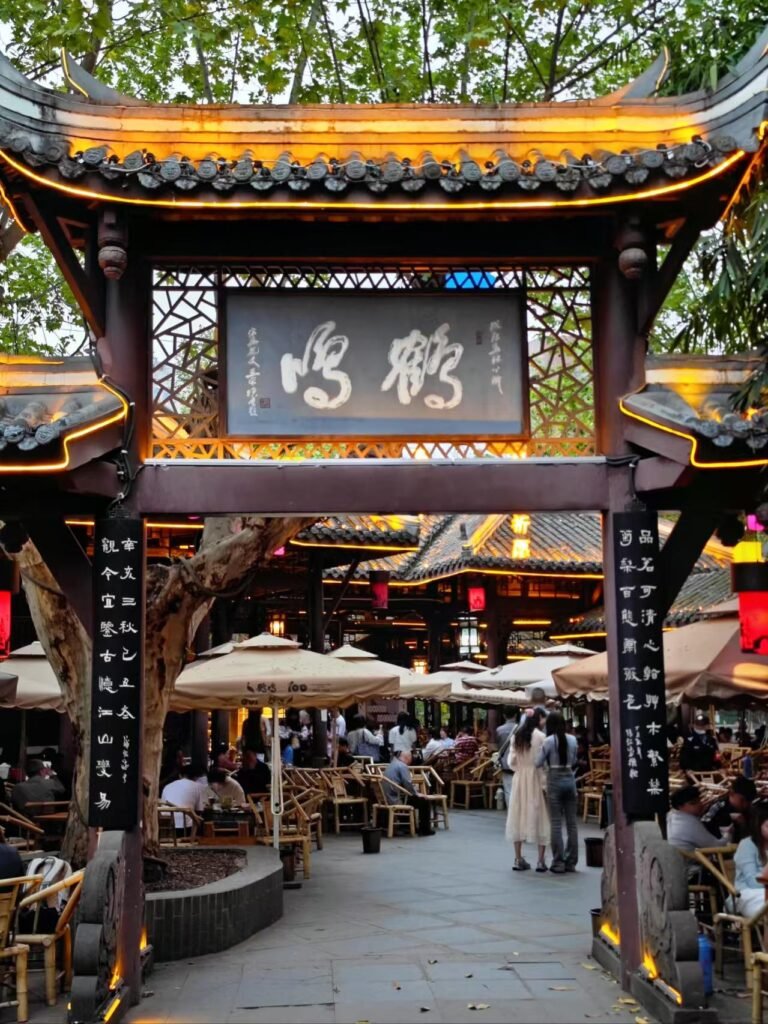
Chengdu is not only the starting point but also a city rich in culture and cuisine. Visitors should explore the Giant Panda Breeding Research Base, taste authentic Sichuan hotpot, and immerse themselves in local traditions. This city allows travelers to acclimatize to lower altitudes before ascending to higher terrains.
Kangding and the Kham Region
Heading northwest from Chengdu, the route leads to Kangding, the gateway to the Tibetan regions of Sichuan. The roads here pass through scenic gorges, snow-capped mountains, and traditional Tibetan villages. Kangding provides the perfect introduction to Tibetan culture and landscapes, offering travelers an opportunity to adjust to higher elevations gradually.
Tagong Grasslands and Litang
Further along the route, Tagong Grasslands and Litang showcase the vastness of the Tibetan plateau. Travelers can witness grazing yaks, vibrant prayer flags, and monasteries that have stood for centuries. A well-paced sichuan-tibet route self-driving tour itinerary ensures overnight stops here, allowing for rest and adaptation to higher altitudes.
Batang and the Road to Chamdo
The journey continues westward toward Batang, a town known for its traditional Tibetan lifestyle and scenic landscapes. From Batang, the road climbs through some of the highest passes in the world. Adequate preparation for altitude sickness is crucial, as travelers may experience symptoms due to rapid elevation gain.
Chamdo, a historic city in eastern Tibet, offers travelers a chance to explore local monasteries and interact with Tibetan communities. This stage of the self-driving tour itinerary emphasizes both adventure and cultural immersion.
Lhasa: The Spiritual Heart of Tibet
No Sichuan-Tibet self-driving tour is complete without reaching Lhasa, the capital of Tibet. Home to the iconic Potala Palace and Jokhang Temple, Lhasa is the spiritual and cultural heart of the region. The drive to Lhasa includes breathtaking vistas of rivers, mountains, and valleys that showcase the Tibetan plateau’s natural beauty. A carefully planned itinerary allows travelers to explore Lhasa’s attractions while ensuring sufficient rest after long drives.
Road Conditions and Driving Tips
Driving along the Sichuan-Tibet route presents unique challenges. Roads can range from well-paved highways to rugged mountain tracks. Weather conditions can change rapidly, with rain, snow, and fog affecting visibility. Travelers should check weather forecasts daily and adjust their schedule accordingly.
Maintaining a moderate speed and taking regular breaks are essential for safety. Altitude and fatigue can impair judgment, so it is important to listen to your body and acclimatize properly. Travelers should also respect local traffic rules and Tibetan customs, ensuring a safe and culturally sensitive journey.
Accommodation and Dining Along the Route
Accommodation options vary from hotels in major towns like Chengdu and Lhasa to guesthouses and homestays in smaller villages. Booking in advance is recommended during peak travel seasons. For a more immersive experience, staying in Tibetan-style guesthouses allows travelers to experience local hospitality and culture.
Dining along the Sichuan-Tibet route offers a mix of flavors. Sichuan cuisine is famous for its spicy dishes, while Tibetan cuisine features hearty meals suitable for high-altitude living, such as tsampa and yak butter tea. Including local culinary experiences in the sichuan-tibet route self-driving tour itinerary enriches the overall journey.
Essential Travel Tips for a Self-Driving Tour
- Acclimatization: Gradual ascent is crucial to prevent altitude sickness. Plan stops strategically to adjust to higher altitudes.
- Vehicle Maintenance: Regularly check tires, brakes, and engine oil, especially before entering remote areas.
- Navigation Tools: GPS and offline maps are indispensable due to limited connectivity in remote regions.
- Emergency Preparedness: Carry a medical kit, extra fuel, and emergency contacts for remote areas.
- Cultural Respect: Engage respectfully with local communities, seek permission before photography, and learn basic Tibetan greetings.
Conclusion
A self-driving adventure along the Sichuan-Tibet route is an extraordinary journey that combines stunning natural landscapes, rich cultural experiences, and personal challenge. A thoughtfully crafted sichuan-tibet route self-driving tour itinerary ensures that travelers can explore this remarkable region safely and memorably. With proper planning, preparation, and respect for local culture, this journey becomes more than just a drive—it becomes an unforgettable exploration of one of the world’s most extraordinary landscapes.
The road from Chengdu to Lhasa offers not just scenic views but also a profound connection with the Tibetan way of life, making a self-driving tour along the Sichuan-Tibet route a bucket-list experience for adventurous travelers worldwide.