

Water damage is one of the most insidious problems that a homeowner or business owner can face. Unlike visible issues like a broken window or a leaky roof, water damage often starts quietly, creeping into your property and causing long-term structural, aesthetic, and health problems. Understanding the early signs of water damage is critical because addressing them promptly can save you significant time, money, and stress. In this article, we will explore the subtle and obvious indicators of water damage, why it occurs, and how to prevent further complications.
Understanding Water Damage
Water damage occurs when water infiltrates areas where it shouldn’t be, causing harm to the structure, materials, or contents of a property. It can result from natural disasters, plumbing failures, or even unnoticed leaks. While some instances are obvious, such as flooding, many cases of water damage develop slowly and can remain hidden behind walls, under floors, or in ceilings.
Ignoring water damage can have serious consequences. Beyond the immediate destruction, prolonged exposure to moisture can lead to mold growth, structural weakening, and electrical hazards. That’s why identifying the early signs of water damage is essential for maintaining a safe and healthy environment.
Common Early Signs of Water Damage
Recognizing the early signs of water damage can make a huge difference in mitigating risks. Here are the most common indicators you should never ignore:
Discoloration or Stains on Walls and Ceilings
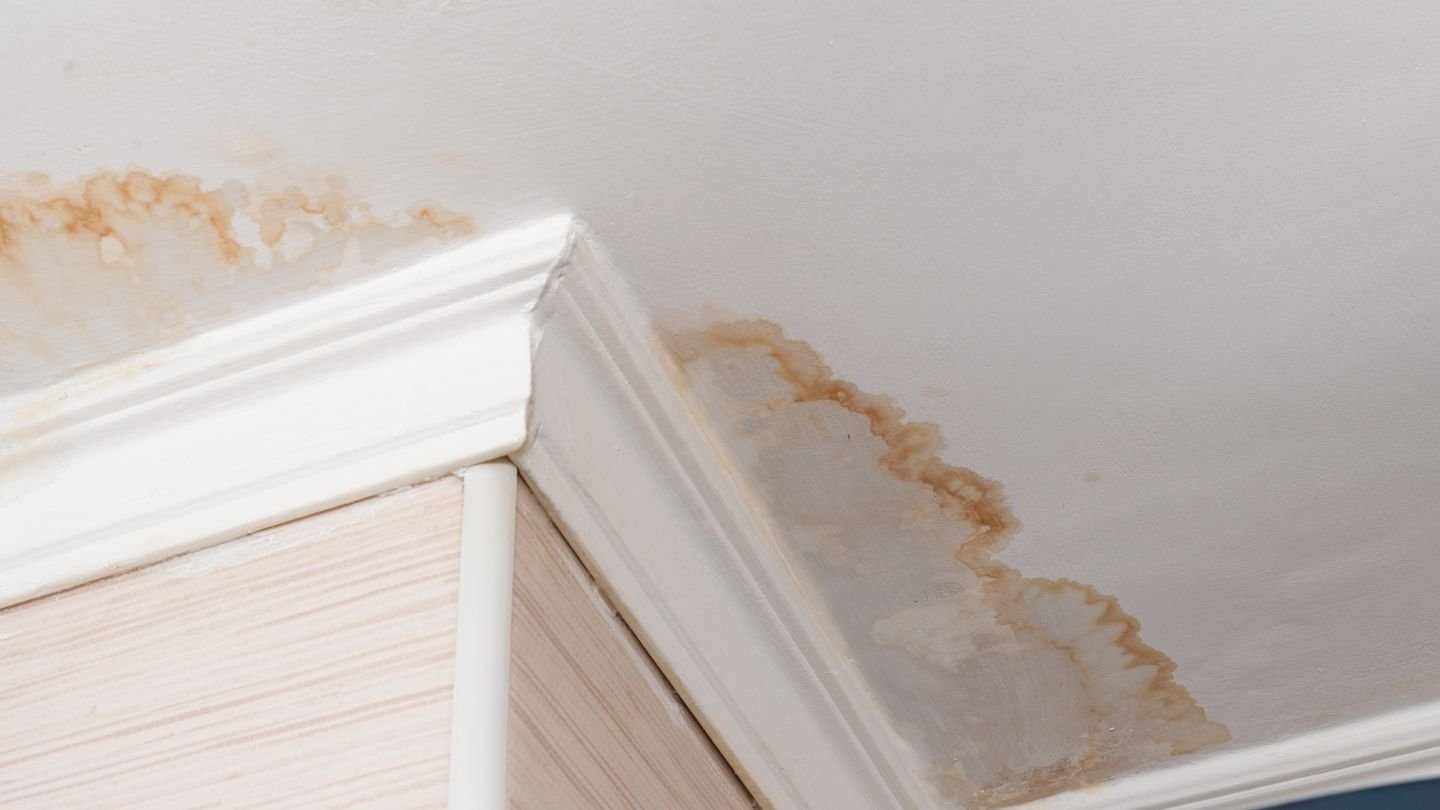
One of the most obvious early signs of water damage is discoloration. Yellow, brown, or even gray stains on walls and ceilings can indicate that water has infiltrated these areas. These stains often appear as circular or irregular patches and may grow over time. Even small, seemingly harmless spots should be investigated immediately.
Peeling, Bubbling, or Cracking Paint
Moisture behind paint causes it to lose adhesion to the wall or ceiling surface. Bubbling, cracking, or peeling paint is a warning that water damage is occurring behind the walls. This sign is particularly common in bathrooms, kitchens, and basements where moisture levels are higher.
Musty or Damp Odors
A persistent musty smell is a strong indicator of water damage, even if no visible signs are present. Moisture encourages mold and mildew growth, which releases spores that produce unpleasant odors. If you notice a damp smell in certain areas of your home, it’s important to investigate for hidden water damage.
Warped or Buckled Flooring
Water can seep into hardwood, laminate, or tile floors, causing them to warp, buckle, or separate. Even small amounts of moisture can lead to noticeable changes in flooring over time. If your floors start to feel uneven or look distorted, it’s a red flag for water damage.
Sagging or Stained Ceilings
Ceilings are particularly vulnerable to water damage from leaks in the roof or plumbing. A sagging ceiling or one with noticeable stains should be treated seriously. Not only does this indicate water intrusion, but it also poses a risk of structural collapse if left unaddressed.
Dampness in Basement or Crawl Spaces
Basements and crawl spaces are prime locations for water damage because they are in direct contact with the ground. Dampness, pooling water, or condensation in these areas can signal leaks, foundation problems, or groundwater intrusion. Early detection here can prevent major structural issues.
Rust on Pipes or Fixtures
Rust is an early warning sign that moisture is present where it shouldn’t be. Corroded pipes, water heaters, or metal fixtures indicate leaks or persistent dampness that could contribute to water damage over time. Ignoring rust can lead to pipe bursts or costly repairs later.
Causes of Water Damage
Water damage can occur due to a variety of reasons. Understanding the source helps in preventing recurrence. Common causes include:
- Plumbing Issues: Leaky pipes, broken water lines, or faulty faucets can create slow, unnoticed water damage.
- Roof Leaks: Damaged shingles or poor sealing can allow rainwater to enter the home, causing ceiling and wall damage.
- Appliance Malfunctions: Washing machines, dishwashers, and water heaters are frequent sources of leaks.
- Foundation Problems: Cracks in the foundation can let groundwater seep into basements or crawl spaces.
- Natural Disasters: Floods, heavy rain, and storms can result in significant water damage if the property isn’t properly protected.
Consequences of Ignoring Water Damage
Ignoring water damage can escalate a minor problem into a costly disaster. Some of the potential consequences include:
- Mold Growth: Moist environments encourage mold, which can lead to respiratory problems and damage to building materials.
- Structural Weakening: Prolonged exposure to water can compromise wood, drywall, and concrete, making your property unsafe.
- Electrical Hazards: Water and electricity are a dangerous combination. Leaks near electrical systems can create fire hazards.
- Decreased Property Value: Visible water damage or mold issues can significantly reduce property value and complicate future sales.
Preventing and Addressing Water Damage
The key to preventing water damage is vigilance and proactive maintenance. Here are some steps to minimize risks:
- Regular Inspections: Check roofs, plumbing, appliances, and basements frequently for signs of leaks or moisture.
- Proper Ventilation: Ensure bathrooms, kitchens, and crawl spaces are well-ventilated to reduce humidity levels.
- Prompt Repairs: Address leaks, damaged pipes, or roof issues immediately before they escalate.
- Use Water Detection Devices: Modern sensors can alert you to leaks or excess moisture in critical areas.
- Professional Help: If water damage is suspected, consider hiring professionals to assess and remediate the issue. Immediate action can save thousands in repair costs.
Conclusion
Water damage is often silent but can lead to catastrophic problems if ignored. Recognizing early signs such as discoloration, peeling paint, musty odors, and warped flooring is essential for protecting your home or business. By understanding the causes, monitoring vulnerable areas, and taking preventive measures, you can minimize the impact of water damage and maintain a safe, healthy environment. Don’t wait until a minor leak turns into a major disaster—early detection and prompt action are the keys to safeguarding your property from water damage.
Water damage may start small, but its effects can be profound. Paying attention to the subtle signs and addressing them promptly can save you from expensive repairs, health risks, and long-term structural issues. Stay vigilant, act quickly, and make water damage prevention a priority.