


Understanding Water Damage in Residential Properties
Water damage is one of the most common and costly problems homeowners face, and understanding how it happens is the first step toward effective restoration. Water can enter a home through roof leaks, pipe bursts, appliance failures, storms, foundation cracks, or drainage issues. Even a small amount of moisture can cause hidden problems behind walls, under floors, and inside insulation. When water intrusion occurs, quick action is essential because the longer water sits, the more severe the damage becomes. It can weaken structural materials, encourage mold growth, ruin furniture, and create electrical hazards. Homeowners should recognize the categories of water damage: clean water from supply lines or rain, gray water from appliances or lightly contaminated sources, and black water from sewage or floodwaters. Each category requires a different level of safety and cleaning, but all require fast restoration to prevent long-term problems.
The Importance of Immediate Action After Water Damage
Time is the most critical factor in restoration. Within minutes of water exposure, surfaces become damp and furniture finishes may begin to deteriorate. After a few hours, drywall absorbs moisture, wood swells, and odors begin to develop. Within 24 to 48 hours, mold can start growing rapidly, causing health risks and spreading through HVAC systems. Waiting too long increases the extent of the damage and significantly raises the cost of repairs. That’s why homeowners should always act quickly by stopping the source of water if possible, turning off electricity in affected areas, and contacting professionals if the situation is beyond simple cleanup. Quick action helps preserve materials, reduce restoration costs, and prevent long-term structural issues.
Steps Homeowners Should Take Immediately
Once water damage occurs, homeowners should follow a series of steps to protect their property and ensure safety. First, identify and stop the water source. If a pipe is leaking, shut off the main supply; if a roof is leaking, contain the water with buckets and tarps. Secondly, ensure safety by turning off power to affected rooms and avoiding contact with contaminated water. After securing the environment, document the damage by taking photos and videos for insurance purposes. Next, remove small items like rugs, electronics, and personal belongings to prevent further exposure. For minor incidents, homeowners can begin the drying process using fans and dehumidifiers, but for significant water intrusion, professional restoration teams are necessary because they use commercial-grade drying equipment and advanced moisture detection tools Water Damage Restoration.
Professional Water Damage Restoration Process
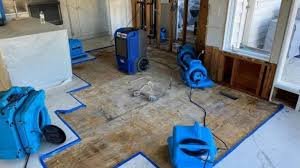
Professional restoration technicians follow a structured process to return a home to its pre-damage condition. The first stage is inspection and assessment, where specialists use moisture meters, infrared cameras, and other tools to detect hidden moisture behind walls, ceilings, and floors. After assessing the severity, they create a tailored plan. The second stage involves water extraction using powerful pumps and vacuums to remove standing water quickly. The next step is structural drying, which includes placing air movers and dehumidifiers strategically to pull moisture from building materials. This stage can take several days depending on the extent of the saturation. Once drying is complete, technicians clean and sanitize the affected areas to eliminate contaminants, odors, and bacteria. The final step is restoration, which may involve repairing drywall, replacing flooring, painting, or even rebuilding sections of the home if the damage was severe.
Common Types of Water Damage Homeowners Face
Different situations can lead to water-related destruction, and understanding the type helps determine the proper restoration approach. Plumbing issues such as burst pipes or leaking appliances are the most frequent causes. Roof leaks from storms, damaged shingles, or clogged gutters also contribute to water intrusion. Basement flooding from poor drainage, groundwater pressure, or sump pump failure is another widespread issue. Natural disasters such as heavy rainfall, hurricanes, or localized flooding pose significant risks because the water involved is often contaminated and requires specialized restoration procedures. Even minor events like slow, unnoticed leaks behind walls can eventually cause major structural problems and mold growth.
Mold Risks and How Restoration Helps Prevent Them
Mold is one of the most dangerous consequences of water damage. It thrives in damp, dark, and warm environments, often beginning to grow within 48 hours. Mold spreads quickly and can damage building materials like wood, drywall, and insulation. Additionally, it can cause respiratory issues, allergies, and other health concerns for occupants. Effective restoration reduces mold risks by drying the home thoroughly and monitoring moisture levels continuously. Professionals may apply antimicrobial treatments to prevent future growth and remove any contaminated materials safely. Homeowners should never attempt to clean significant mold growth themselves, as improper handling can spread spores through the air.
When to Call Professional Restoration Services
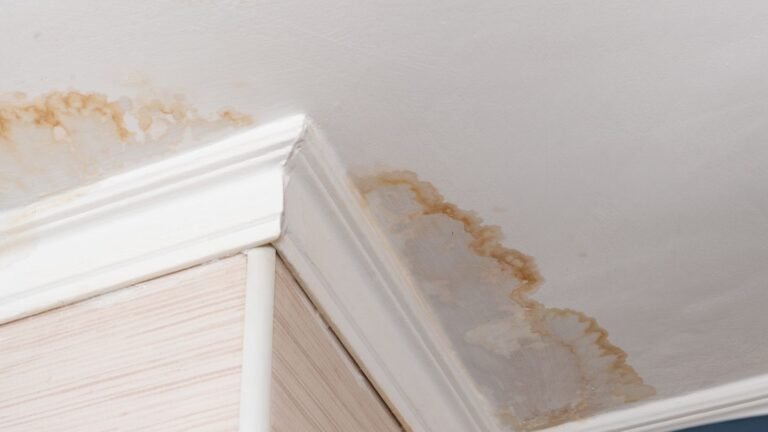
While small spills or local leaks may be manageable for homeowners, certain situations always require professional intervention. If water has soaked into walls, floors, or ceilings, or if there is standing water across multiple rooms, professional restoration is essential. The presence of odors, discoloration, or visible mold also signals a need for expert help. Black water, which includes sewage or floodwater, is extremely dangerous and must always be handled by trained specialists. Additionally, if homeowners are unsure about the extent of the damage or lack the necessary equipment to dry the area properly, calling restoration experts prevents long-term problems and costly repairs.
Preventing Future Water Damage in Your Home
Prevention is just as important as restoration. Homeowners can take several steps to reduce the risk of future water-related issues. Regularly inspect plumbing lines, appliances, and water heaters for signs of leaks or corrosion. Keep gutters and downspouts clean to ensure proper drainage away from the home. Install a sump pump with battery backup in basements to prevent flooding. Seal foundation cracks and ensure the property grading directs water away from the building. Consider installing smart leak detectors that alert homeowners to problems before they escalate. Routine roof inspections are also essential, especially after storms.
Why Professional Restoration Saves Money Long Term
Some homeowners hesitate to call professionals due to cost concerns, but expert restoration often saves money over time. Professionals prevent mold, structural deterioration, and electrical hazards that can lead to expensive repairs later. Their advanced equipment dries materials faster than household fans, reducing the risk of hidden moisture that causes ongoing damage. Insurance companies also prefer professional documentation and reports, which can streamline claims and increase coverage approval. Most importantly, restoration specialists ensure the home is safe, clean, and structurally sound after water damage.
Final Thoughts for Homeowners
Water damage can be stressful and overwhelming, but knowing how to respond and understanding the importance of restoration helps protect your home. From immediate action steps to long-term prevention, every decision matters. Homeowners who act quickly, stay informed, and rely on professional help when needed can minimize damage, safeguard their property, and restore their home efficiently and safely.