
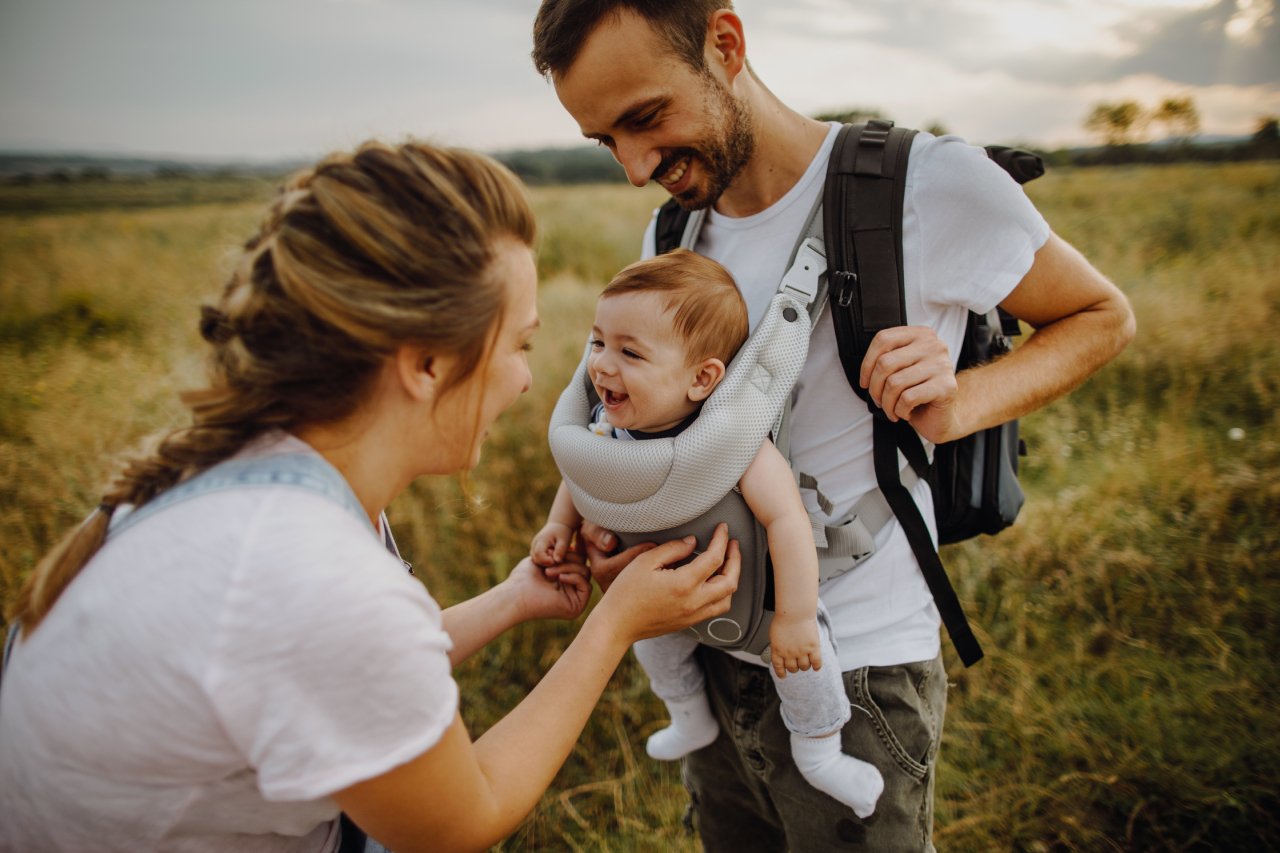
Bringing a newborn into the world introduces a whirlwind of emotions, challenges, and responsibilities for parents. Amid sleepless nights and constant care, parents often seek tools that make daily life more manageable while keeping their babies safe and comfortable. One of the most practical and increasingly popular solutions is using baby carriers. These versatile devices have transformed the way parents interact with their children, offering benefits that span physical, emotional, and social realms.
Comfort and Convenience for Parents
One of the primary advantages of baby carriers is the convenience they provide. Unlike strollers or cribs, baby carriers allow parents to keep their infants close while remaining hands-free. This freedom enables parents to perform everyday tasks, such as cooking, cleaning, or shopping, without compromising their child’s safety or comfort.
Baby carriers also make traveling simpler. Whether navigating crowded streets, public transportation, or tight spaces, carriers offer a practical solution that strollers often cannot. Parents can maintain mobility while keeping their baby secure and close, ensuring comfort for both.
Strengthening the Parent-Child Bond
Baby carriers promote closeness between parent and child, which is essential for early development. Physical proximity allows babies to feel secure and nurtured, reducing anxiety and promoting emotional stability. The skin-to-skin contact some carriers provide can also support breastfeeding and improve sleep patterns.
Moreover, wearing a baby in a carrier encourages communication. Babies observe facial expressions, hear the parent’s voice, and engage more actively with their surroundings, which aids in cognitive and emotional growth. The consistent closeness fosters a strong parent-child bond that can have long-term benefits for emotional development.
Physical Benefits for Babies
Using baby carriers can support healthy physical development. Many carriers are designed to hold babies in an ergonomic position that encourages proper hip alignment. This is especially important in the early months, as improper positioning can lead to hip dysplasia or other complications.
Additionally, being in a carrier keeps babies in a slightly upright position, which can help reduce reflux and improve digestion. The gentle rocking motion that naturally occurs when a parent moves also soothes babies and supports their vestibular development, which is crucial for balance and coordination.
Physical Benefits for Parents
Parents also reap physical benefits from using baby carriers. Carrying a baby close to the body distributes weight evenly, which reduces strain on the arms, back, and shoulders compared to holding a baby in arms for extended periods. Many carriers feature adjustable straps and padding, allowing for customized support and comfort.
Furthermore, wearing a baby encourages parents to remain active. Simple movements like walking, climbing stairs, or stretching with a carrier engage muscles and can help with post-pregnancy recovery. Parents can maintain mobility and fitness while keeping their infant close and secure.
Enhancing Social Interaction
Baby carriers can make social interactions smoother for both parents and babies. Babies carried in front-facing carriers can observe their environment and interact with people, which stimulates social and cognitive development. Being at the caregiver’s eye level allows babies to participate in conversations and learn social cues earlier.
For parents, carriers make outings more manageable. Events like grocery shopping, family gatherings, or walks in the park become easier when hands are free, and the baby remains content. Carriers reduce the need for bulky equipment, allowing parents to engage more naturally with their surroundings.
Promoting Mental Well-Being
Parenting can be mentally and emotionally demanding, especially during the first few months. Baby carriers can help reduce stress and increase confidence. By keeping the baby close, parents often feel more in control, reassured that their child is safe and content.
The physical closeness also releases oxytocin, known as the “bonding hormone,” in both the parent and the baby. This hormone reduces stress, promotes positive emotions, and strengthens attachment. Regular use of a carrier can foster a calmer, happier environment for both parent and child.
Versatility and Adaptability
Baby carriers are highly versatile. They come in various designs, including wraps, slings, soft-structured carriers, and backpack-style carriers, allowing parents to choose the best option for their lifestyle and their baby’s needs. Many carriers accommodate babies from newborns to toddlers, making them a long-term investment.
Some carriers offer multiple carrying positions, such as front-facing, inward-facing, or back-carrying, providing flexibility as the baby grows. This adaptability ensures that both comfort and safety remain a priority throughout the different stages of infancy and early childhood.
Safety Considerations
While baby carriers offer numerous benefits, safety remains paramount. Parents should choose carriers that provide proper support for the baby’s head, neck, and hips. It is essential to follow the manufacturer’s guidelines for weight limits and correct positioning to prevent injuries.
Regularly checking straps, buckles, and fasteners ensures that the carrier remains secure. Keeping the baby’s airway clear and avoiding slouching are crucial steps in maintaining safe and effective use. When used correctly, baby carriers are a secure and reliable method for transporting and bonding with infants.
Supporting Parental Lifestyle
Baby carriers adapt seamlessly to modern parenting lifestyles. For active parents, carriers allow participation in outdoor activities such as hiking, walking, or sightseeing while keeping the baby close and comfortable. For parents working from home or managing multiple responsibilities, carriers provide a practical way to integrate childcare with daily routines.
Moreover, carriers reduce the need for constant transfers between cribs, strollers, or car seats. This continuity enhances the baby’s sense of security and simplifies life for busy parents.
Eco-Friendly and Economical Option
Compared to strollers or other large baby equipment, baby carriers are often more eco-friendly and cost-effective. They require less material, take up less space, and are generally more affordable. Their compact size also makes them easier to store, reducing clutter and the need for large storage spaces.
Investing in a high-quality carrier can serve a family for several years, supporting multiple children and reducing the need for additional equipment. This combination of practicality, affordability, and sustainability makes carriers an attractive choice for many families.
Conclusion
The benefits of using baby carriers extend beyond mere convenience. They enhance the physical, emotional, and social well-being of both babies and parents, strengthen the parent-child bond, and support a more active and stress-reduced lifestyle. From ergonomic support to increased mobility and social interaction, baby carriers are a versatile, practical, and invaluable tool for modern parenting.
Choosing the right carrier that prioritizes safety, comfort, and adaptability ensures that both parent and baby can enjoy these benefits to the fullest. Whether at home, out on a stroll, or exploring new environments, baby carriers offer a simple yet profound way to enrich the parenting experience while nurturing a happy, healthy, and secure baby.
Using baby carriers is not just a convenience—it is a lifestyle choice that supports bonding, development, and well-being for both parent and child.