
Water damage is one of the most common and costly issues homeowners face. From minor leaks to severe flooding, the effects of water damage can compromise the structure of your home, ruin personal belongings, and create health hazards. Understanding how to identify and address water damage early is crucial to protecting your property and maintaining a safe living environment.
Understanding Water Damage and Its Causes
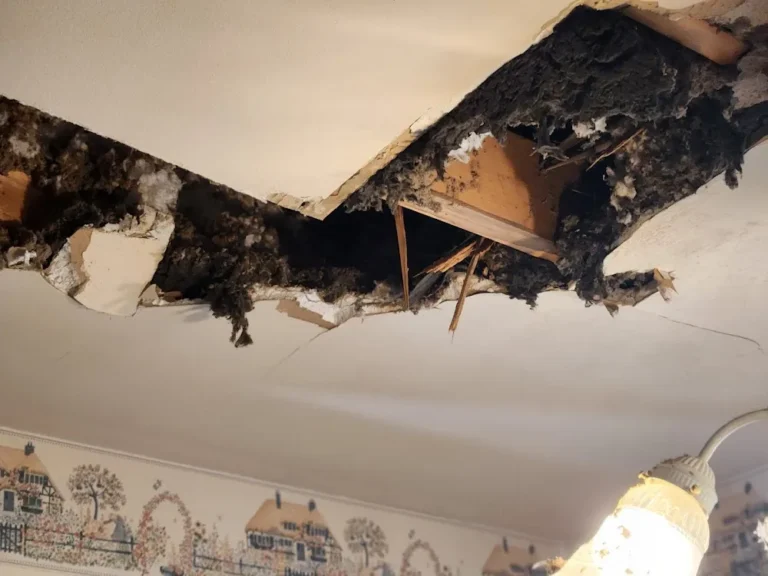
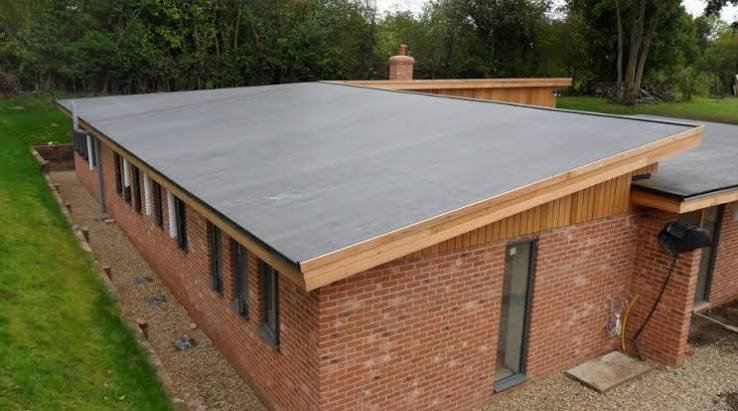
Water damage occurs when unwanted moisture infiltrates your home’s structure or contents. Common causes include leaky roofs, broken pipes, overflowing appliances, faulty plumbing, and natural flooding. Even small leaks over time can weaken walls, ceilings, and floors, creating mold growth and structural deterioration.
Water can seep into hidden areas, such as behind walls or under flooring, making early detection vital. Ignoring water damage not only increases repair costs but can also lead to serious health risks due to mold and bacteria proliferation.
Signs of Water Damage in Your Home
Detecting water damage early can save you thousands of dollars in repairs. Some of the most common signs include:
- Discoloration on Walls and Ceilings: Yellow or brown stains often indicate a leak in your roof, plumbing, or windows.
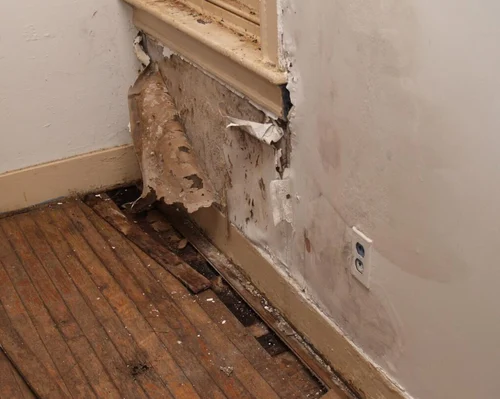
- Peeling Paint or Wallpaper: Moisture behind walls can cause paint to bubble or wallpaper to peel.
- Musty Odors: Persistent damp smells may signal hidden mold growth from water damage.
- Warped or Buckling Floors: Wood, laminate, or vinyl flooring may warp, buckle, or separate when exposed to water.
- Visible Mold Growth: Mold can appear as black, green, or white patches and thrives in damp environments.
- Dripping or Leaking Water: Even small leaks from pipes or fixtures are early indicators of water damage.
Recognizing these signs early allows homeowners to take immediate action before the damage spreads.
The Impact of Water Damage on Your Home
Water damage is not just an aesthetic concern; it can compromise the integrity of your home and lead to severe consequences. Structural issues may include weakened walls, damaged foundations, and deteriorated flooring. Electrical systems exposed to water can pose fire hazards or cause short circuits.
Health risks are another major concern. Water damage creates an environment conducive to mold and mildew, which can trigger allergies, respiratory issues, and other health problems. Addressing water damage promptly is essential to protect both your property and your family’s well-being.
Assessing the Extent of Water Damage
Before beginning repairs, it’s important to evaluate the severity of the damage. Start by inspecting affected areas for visible signs like stains, warping, or mold. Use moisture meters to detect hidden dampness behind walls or under floors.
Categorizing water damage can help prioritize repairs:
- Minor Damage: Small leaks or surface-level moisture that can be addressed with simple repairs.
- Moderate Damage: Damage affecting multiple areas or structural components, requiring professional intervention.
- Severe Damage: Extensive flooding or persistent leaks that compromise structural integrity and require immediate professional remediation.
A thorough assessment ensures that you address both visible and hidden damage, preventing future problems.
Immediate Steps to Take When Water Damage Occurs
Acting quickly is crucial when you detect water damage. Follow these steps to minimize the impact:
- Stop the Source: Turn off the water supply or fix the leak if it’s accessible. In cases of flooding, ensure the area is safe before entering.
- Remove Excess Water: Use pumps, wet vacuums, or towels to eliminate standing water. The longer water sits, the more damage it causes.
- Dry Affected Areas: Use fans, dehumidifiers, and ventilation to thoroughly dry walls, floors, and furniture.
- Move Belongings: Relocate furniture, electronics, and valuables to prevent further damage.
- Document Damage: Take photos and notes for insurance claims and future reference.
Immediate action can significantly reduce repair costs and limit the spread of mold and mildew.
Professional Water Damage Assessment and Restoration
While minor water damage can be handled by homeowners, significant damage often requires professional assistance. Certified water damage restoration experts can:
- Identify hidden moisture using advanced detection tools
- Remove contaminated water and dry affected areas safely
- Repair or replace damaged structural components
- Treat mold and prevent future growth
Professional restoration ensures that water damage is addressed comprehensively, reducing the risk of recurring problems.
Preventing Water Damage in Your Home
Preventing water damage is always easier and less costly than repairing it. Homeowners can take several proactive measures:
- Regular Plumbing Inspections: Check pipes, faucets, and appliances for leaks and signs of corrosion.
- Maintain Roof and Gutters: Repair damaged shingles and clean gutters to prevent water accumulation.
- Seal Windows and Doors: Ensure caulking and weatherproofing are intact to prevent leaks during rainstorms.
- Install Water Sensors: Leak detection systems can alert you to water intrusion before it becomes serious.
- Proper Ventilation: Bathrooms, kitchens, and basements should be well-ventilated to reduce moisture buildup.
By incorporating these preventative steps, you can protect your home from costly water damage and maintain a healthier living environment.
When to File an Insurance Claim
Homeowners’ insurance often covers water damage caused by sudden incidents, such as burst pipes or storm-related flooding. Document the damage thoroughly with photos and notes before contacting your insurance provider. Policies vary, so it’s important to review your coverage and understand what types of water damage are included. Filing a claim promptly can help offset repair costs and speed up restoration.
Conclusion
Water damage is a serious threat that can compromise your home’s structure, damage personal belongings, and pose health risks. Early detection, immediate action, and professional restoration are key to minimizing its impact. By understanding the causes, signs, and prevention strategies, homeowners can protect their property and maintain a safe, comfortable living environment. Taking proactive steps today ensures that water damage doesn’t become a costly problem tomorrow.