
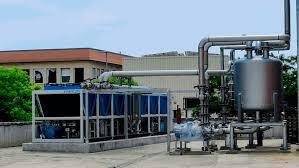
The refrigeration industry is undergoing a significant transformation, driven by the need for sustainability and environmental responsibility. One of the most notable shifts is the adoption of refrigeration equipment with natural refrigerants, which is reshaping how businesses approach cooling solutions. Unlike traditional synthetic refrigerants, natural refrigerants offer lower environmental impact, enhanced energy efficiency, and compliance with stricter global regulations. This evolution is not only redefining the technical standards of refrigeration but also influencing operational strategies across various sectors.
Environmental Advantages of Natural Refrigerants
One of the primary drivers behind the adoption of refrigeration equipment with natural refrigerants is the environmental advantage they provide. Conventional synthetic refrigerants, such as hydrofluorocarbons (HFCs), are known for their high global warming potential (GWP). Natural refrigerants, including carbon dioxide (CO₂), ammonia (NH₃), and hydrocarbons like propane (R290), have minimal or zero ozone depletion potential and significantly lower GWP.
CO₂, for instance, is a naturally occurring substance with excellent thermodynamic properties, making it highly efficient in cooling applications. Similarly, ammonia has been used for decades in industrial refrigeration due to its exceptional heat transfer capabilities and energy efficiency. Hydrocarbons are increasingly preferred in small commercial systems because of their low environmental impact and safe operational characteristics when properly handled. By integrating these refrigerants, companies can drastically reduce their carbon footprint while still maintaining high-performance cooling systems.
Compliance with Global Regulations
Global environmental policies are increasingly influencing the refrigeration industry. Regulations such as the Kigali Amendment to the Montreal Protocol and the European F-Gas Regulation mandate a gradual phase-down of high-GWP synthetic refrigerants. In this context, refrigeration equipment with natural refrigerants is not just a preference but a necessity for businesses seeking compliance.
Organizations that adopt natural refrigerants benefit from future-proofing their operations against regulatory changes. This proactive approach reduces the risk of penalties, ensures uninterrupted operations, and demonstrates corporate responsibility. In addition, regulatory incentives are often provided to encourage the use of eco-friendly refrigeration technologies, further supporting their adoption.
Energy Efficiency and Operational Cost Savings
Another compelling advantage of refrigeration equipment with natural refrigerants is its potential to improve energy efficiency. Systems using CO₂ or ammonia, for example, often operate more efficiently under certain conditions compared to traditional HFC-based systems. Improved energy efficiency directly translates to lower operational costs, making natural refrigerants an economically attractive solution for businesses.
Ammonia-based systems in industrial settings have shown energy savings of up to 30% compared to older HFC systems. Even in commercial and retail environments, CO₂-based systems provide reliable cooling with reduced energy consumption, particularly in low-temperature applications. As energy costs continue to rise globally, this efficiency becomes a critical factor for businesses aiming to balance sustainability with profitability.
Innovation in System Design
The shift towards natural refrigerants is also driving innovation in refrigeration system design. Traditional systems were primarily engineered around synthetic refrigerants, but natural refrigerants have unique properties that necessitate rethinking system architecture. For example, CO₂ operates at higher pressures, which has led to the development of advanced transcritical CO₂ systems that optimize efficiency in diverse climates.
Similarly, ammonia-based systems are being re-engineered for safety and operational flexibility, incorporating advanced leak detection, ventilation, and containment technologies. Hydrocarbon refrigerants, while flammable, are being integrated into compact, high-efficiency commercial units with rigorous safety standards. These innovations not only enhance system performance but also expand the potential applications of refrigeration technologies across industries.
Impact on Retail and Food Industries
The retail and food industries are among the biggest beneficiaries of refrigeration equipment with natural refrigerants. Supermarkets, cold storage facilities, and food processing plants face increasing pressure to reduce environmental impact while maintaining food safety standards. Natural refrigerants enable these businesses to achieve both objectives.
CO₂-based refrigeration systems, for instance, are particularly effective for supermarket refrigeration, offering low GWP, high efficiency, and reliable performance across a wide range of temperatures. Ammonia systems continue to dominate large-scale food processing and cold storage applications due to their energy efficiency and robust cooling capacity. Hydrocarbon refrigerants are gaining traction in smaller commercial units, such as convenience stores and boutique food retailers, where compact design and environmental compliance are critical.
Adopting these systems also aligns with consumer expectations. Modern consumers are increasingly conscious of environmental sustainability and prefer brands that demonstrate eco-friendly practices. By utilizing natural refrigerants, businesses can enhance their brand image while meeting operational and regulatory requirements.
Challenges and Safety Considerations
While the benefits of refrigeration equipment with natural refrigerants are compelling, there are challenges that the industry must navigate. Each type of natural refrigerant comes with specific safety and handling requirements. Ammonia, for example, is toxic and requires stringent safety protocols, including proper ventilation, leak detection, and training for operators. Hydrocarbons are flammable, necessitating careful system design and adherence to safety standards.
Additionally, transitioning from traditional refrigerants to natural alternatives can require significant upfront investment. Businesses may need to upgrade equipment, train personnel, and adapt maintenance practices. However, these initial costs are often offset by long-term savings in energy consumption, regulatory compliance, and reduced environmental impact.
Future Trends and Industry Outlook
The future of refrigeration is increasingly tied to natural refrigerants. Emerging trends include hybrid systems that combine CO₂ and ammonia for optimal performance, advanced controls and IoT integration for energy monitoring, and continued development of low-charge, high-efficiency hydrocarbon systems. These advancements are enabling more flexible, reliable, and sustainable refrigeration solutions across sectors.
As global awareness of climate change intensifies, the pressure to adopt eco-friendly refrigeration solutions will only grow. Companies that embrace refrigeration equipment with natural refrigerants now are positioning themselves as leaders in sustainability and innovation. The convergence of regulatory support, technological advancement, and consumer demand ensures that natural refrigerants will play a central role in shaping the next generation of refrigeration systems.
Conclusion
The adoption of refrigeration equipment with natural refrigerants marks a pivotal moment in the evolution of the refrigeration industry. By offering environmental benefits, compliance with regulations, energy efficiency, and opportunities for innovation, natural refrigerants are transforming both the technology and business strategies of the sector. While challenges exist, the long-term advantages in sustainability, cost savings, and market competitiveness make the transition a strategic imperative.
Businesses across industrial, commercial, and retail sectors are recognizing that investing in natural refrigerants is not just a regulatory or ethical choice—it is a forward-looking decision that ensures resilience, efficiency, and relevance in a rapidly evolving market. The era of sustainable refrigeration has arrived, and refrigeration equipment with natural refrigerants is leading the charge.