


Search algorithms update faster than your team can document the changes. You ship optimizations for one ranking factor and discover two new ones have emerged. The pace is accelerating, and the traditional SEO cycle of audit, plan, execute, measure no longer keeps up.
Machine learning is not just changing search results. It is changing how search systems learn, adapt, and decide what to show. Understanding this shift is the difference between reacting to changes and anticipating them.
What Most Teams Misunderstand About AI-Driven Search
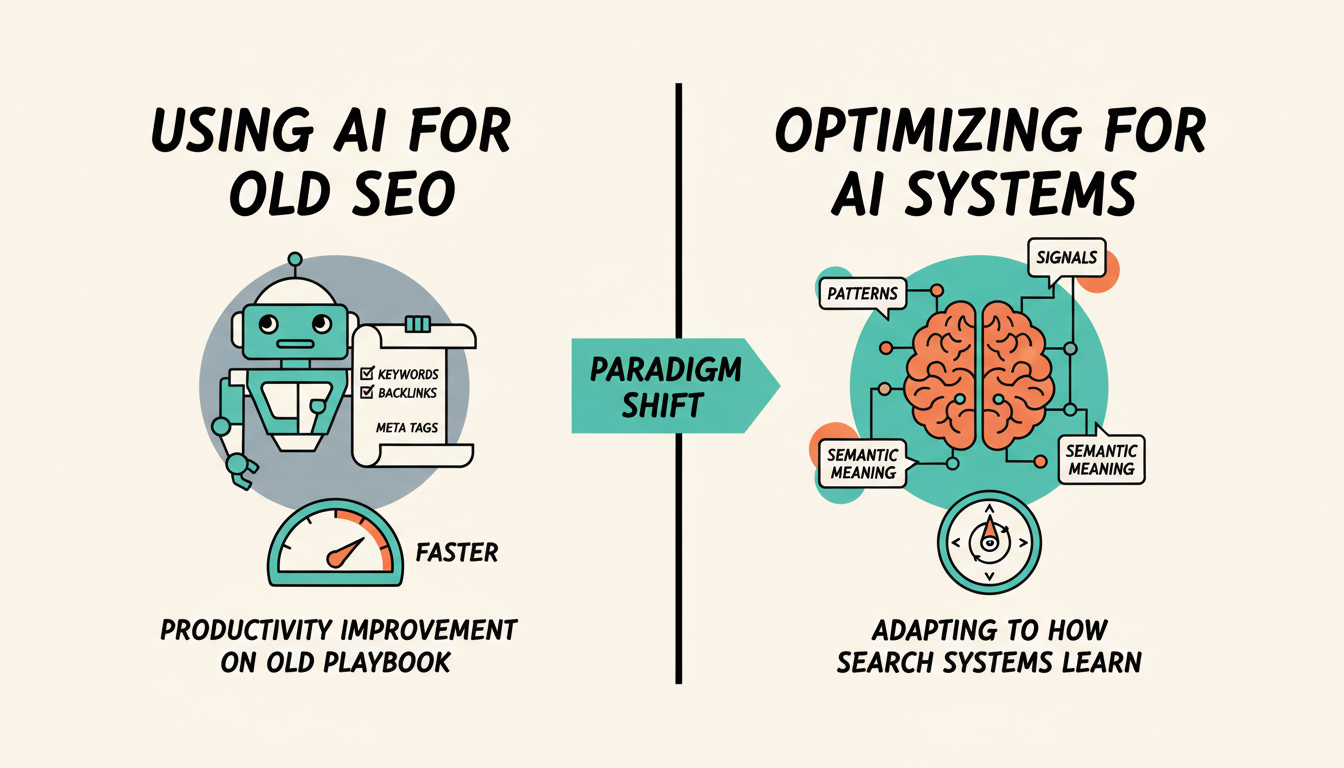
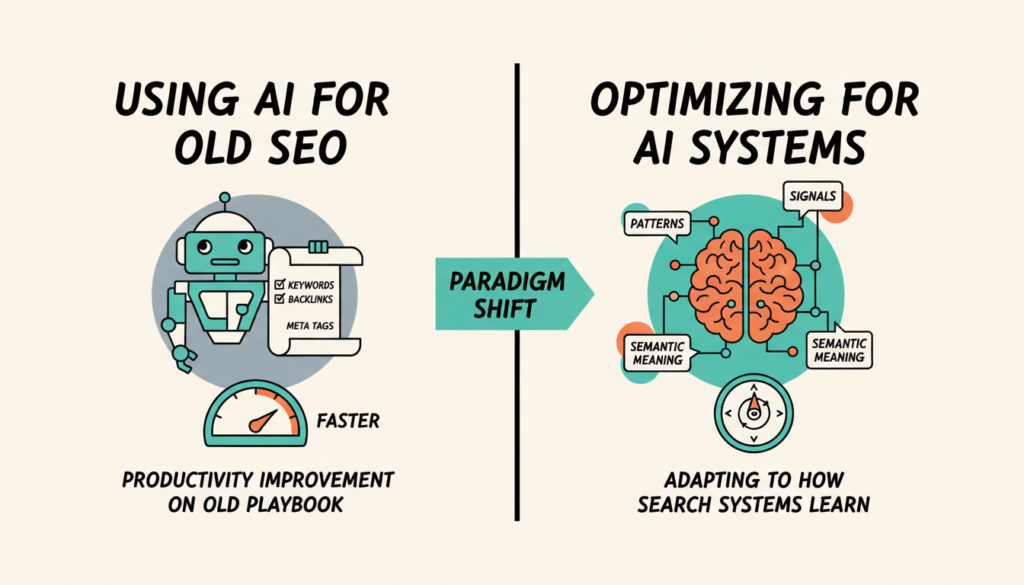
They think AI-driven SEO means using AI tools to do traditional SEO faster. Generating content with language models. Automating keyword research. Scaling link outreach. These are productivity improvements applied to an old playbook.
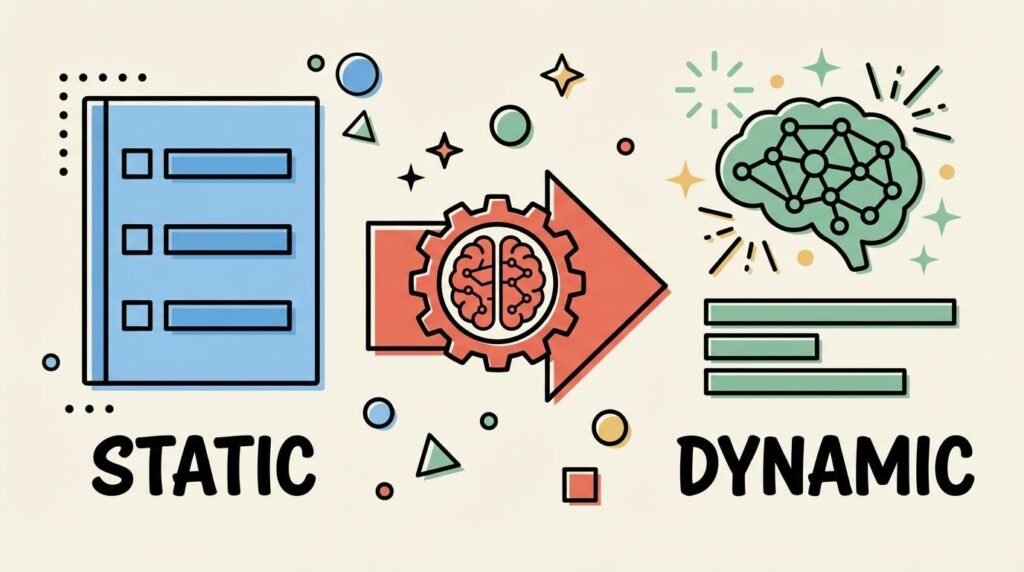
The actual shift is in how search engines themselves operate. Machine learning models now determine relevance, authority, and user satisfaction through patterns that no static rulebook captures. The algorithms learn and evolve continuously, making fixed optimization checklists increasingly unreliable.
AI-driven SEO is not about using AI to optimize. It is about optimizing for systems that are themselves driven by AI.
How Machine Learning Changes the Search Landscape
Dynamic Ranking Signals
Traditional search used relatively stable ranking factors. Backlinks, keyword relevance, page speed. Machine learning systems weight signals dynamically based on query context, user behavior, and content quality patterns. A factor that matters for one query may be irrelevant for another.
Semantic Understanding Over Keyword Matching
ML models understand meaning, not just words. They recognize synonyms, context, intent, and entity relationships. Keyword stuffing is not just ineffective. It signals low-quality content to systems trained to detect manipulative patterns.
Personalization at Scale
Machine learning enables per-user result personalization based on behavior history, context, and inferred preferences. Your rankings are not universal. They vary by user, session, and platform. Teams investing in ai engine optimization account for this variability in their measurement and strategy.
Answer Synthesis
The most significant shift is from ranking pages to generating answers. AI search platforms synthesize responses from multiple sources. Your content needs to be authoritative enough to be selected as a source, not just relevant enough to rank.
Continuous Model Updates
Traditional algorithm updates happened in named, discrete events. Machine learning models update continuously through retraining and fine-tuning. The search landscape shifts daily, not quarterly.
Practical Tips for Technical Marketing Teams
Instrument your content for machine readability. Structured data, clear entity markup, and logical content hierarchy help ML models parse your pages accurately. Treat your site as an API that AI systems consume.
Build feedback loops into your optimization process. Track how changes affect AI visibility within days, not months. Machine learning systems respond to changes quickly. Your measurement needs to match that speed.
Focus on topical authority clusters. ML models evaluate authority across topic clusters, not individual pages. Build comprehensive coverage of your core topics. Depth and consistency signal expertise to systems trained on ai engine optimization principles and authority patterns.
Monitor AI platform citations directly. Google rankings tell you half the story. Track how ChatGPT, Perplexity, and Gemini cite your content. These platforms use different ML architectures and weight different signals.
Invest in data analysis capability. AI-driven SEO produces more data points than traditional SEO. Your team needs the analytical skills to identify patterns, test hypotheses, and connect visibility changes to specific optimizations.
Falling Behind Is Exponential, Not Linear
Machine learning systems compound advantages. Content that AI models learn to trust gets cited more. More citations produce more training data reinforcing that trust. The gap between cited brands and invisible brands widens with each model update.
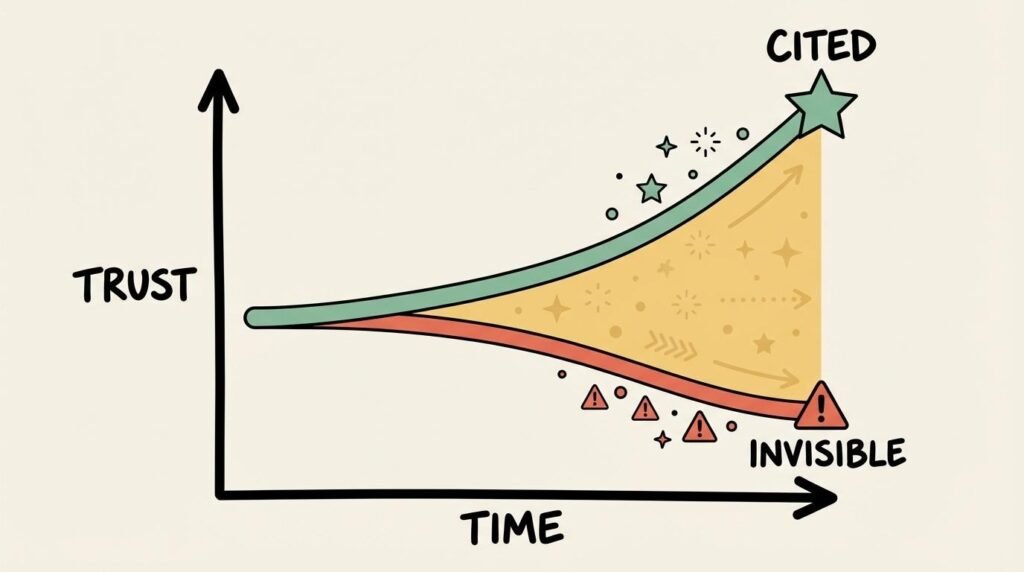
Teams that understand how ML reshapes search can anticipate shifts instead of reacting to them. Teams that treat AI as just another tool for the same old playbook will find their traditional tactics losing effectiveness faster than they can adapt.
The engineers and marketers who bridge the gap between technical ML understanding and practical search optimization will define the next generation of growth strategy. That bridge is being built right now.
Your competitors are hiring for these skills today. The question is whether your team builds this capability internally or falls further behind with each algorithm update.