



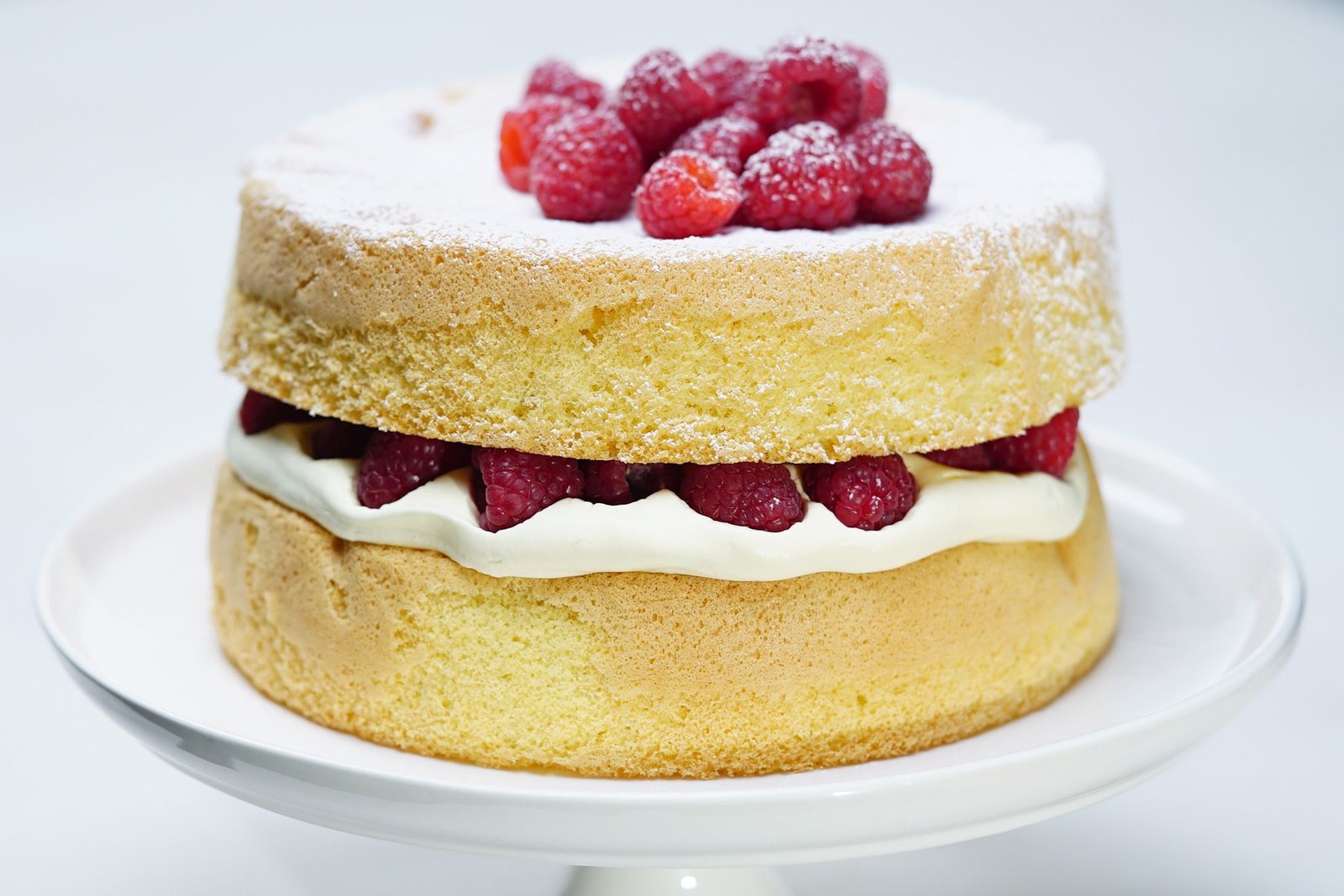
Baking a homemade cake can seem complicated when you are just getting started, but a simple sponge cake is one of the best recipes to learn. It uses basic ingredients, requires straightforward techniques, and can be adapted for birthdays, afternoon tea, family gatherings, or everyday desserts. With a few useful tips and a little practice, beginners can create a light, soft, and delicious sponge cake in their own kitchen.
Why Sponge Cake Is Perfect for Beginners
A sponge cake is popular because of its simple structure and versatile flavor. Unlike cakes that depend on heavy frosting, fillings, or complicated decorations, a basic sponge cake can be enjoyed with powdered sugar, fresh fruit, whipped cream, or a simple glaze.
Another advantage is that the ingredients are usually easy to find. Eggs, flour, sugar, butter or oil, and a small amount of baking powder are enough for many beginner-friendly versions. Vanilla extract can also be added for extra flavor.
The most important part of making a successful sponge cake is understanding how the ingredients work together. Eggs provide structure and help create air, while flour gives the cake stability. Sugar adds sweetness and contributes to a tender texture.
Classic Vanilla Sponge Cake
A classic vanilla version is an excellent starting point for home bakers. Begin by bringing your eggs and butter to room temperature. This helps the ingredients combine more evenly.
For a simple cake, beat eggs and sugar until the mixture becomes pale, thick, and slightly fluffy. This step is important because incorporating air helps produce a lighter texture. Add vanilla extract and gently fold in sifted flour and baking powder.
If the recipe includes melted butter, allow it to cool slightly before adding it. Fold everything together carefully without overmixing. Pour the batter into a prepared cake pan and bake in a preheated oven until the surface is golden and a toothpick inserted into the center comes out clean.
Allow the cake to cool before removing it from the pan. Once completely cooled, it can be served plain or decorated according to your preference.
Simple Lemon Sponge Cake
If you enjoy fresh and bright flavors, a lemon variation is an easy way to add something different to a traditional recipe. Lemon zest can provide plenty of natural flavor without making the batter complicated.
Prepare your sponge cake batter as usual, then add finely grated lemon zest. A small amount of lemon juice can also be included, although too much liquid may change the texture of the cake.
After baking, you can dust the cake with powdered sugar or drizzle it with a simple lemon glaze. Fresh berries make an excellent topping and add color as well as flavor.
Chocolate Sponge Cake for Beginners
Chocolate is another easy variation. Replace a portion of the flour with unsweetened cocoa powder to create a rich chocolate flavor while maintaining a light texture.
When making a chocolate sponge cake, sift the cocoa powder together with the flour and baking powder. This prevents lumps and distributes the cocoa evenly throughout the batter.
A chocolate cake can be served with whipped cream, chocolate frosting, sliced strawberries, or a light dusting of powdered sugar. For beginners, simple decorations are often better because they allow the flavor and texture of the cake to remain the focus.
Tips for Getting a Light and Soft Texture
The texture of a sponge cake depends heavily on how the batter is prepared. One of the most common beginner mistakes is overmixing after the flour has been added. Excessive mixing can develop gluten and make the finished cake heavier.
Sifting dry ingredients is another useful technique. It helps break up lumps and makes it easier to incorporate flour into the wet mixture.
Always preheat the oven before baking. Putting the batter into an oven that has not reached the correct temperature can affect how the cake rises.
Avoid opening the oven door repeatedly during baking. A sudden change in temperature can cause a cake that is still setting to sink in the center.
It is also important to measure ingredients accurately. Baking is more precise than ordinary cooking, so using measuring cups or, even better, a kitchen scale can improve consistency.
Easy Fruit-Topped Sponge Cake
A plain sponge becomes an attractive dessert with very little effort when topped with fresh fruit. Once the cake has cooled, spread a thin layer of whipped cream over the surface and arrange strawberries, blueberries, raspberries, peaches, or other seasonal fruit on top.
For a special occasion, you can slice the cake horizontally and add whipped cream and fruit between the layers. This creates an elegant dessert without requiring advanced decorating skills.
Fruit toppings should generally be added shortly before serving, especially when using juicy fruits. This helps prevent the cake from becoming soggy.
Mini Sponge Cakes for Home Bakers
Mini cakes are a fun option when you want individual portions. The same basic sponge cake batter can be baked in small cake tins or suitable cupcake-style molds, depending on the recipe.
Smaller cakes generally require less baking time than a large cake, so check them carefully toward the end of the recommended baking period. Once cooled, they can be decorated with cream, fruit, jam, or powdered sugar.
Mini cakes are particularly useful for children’s parties, afternoon gatherings, and portion-controlled desserts.
Common Mistakes to Avoid
Beginners sometimes add too much flour because they measure it by scooping directly from the container. This can result in a dense cake. Gently spooning flour into a measuring cup and leveling it, or weighing it, can provide better results.
Another mistake is using ingredients at very different temperatures. Room-temperature eggs and butter generally combine more smoothly than ingredients taken directly from the refrigerator.
Overbaking is also a frequent problem. A sponge cake should be removed from the oven once it is properly set and lightly golden. Leaving it in the oven for too long can produce a dry texture.
Finally, do not rush the cooling process. A freshly baked cake is delicate, and cutting or decorating it while it is still warm can cause it to break.
Creative Ways to Serve Sponge Cake
Once you are comfortable with the basic recipe, there are many ways to experiment. Add cinnamon for a warm flavor, orange zest for a citrus variation, or a little coconut for a tropical twist.
You can also turn leftover sponge cake into individual dessert cups. Layer pieces of cake with whipped cream, fruit, custard, or pudding in clear glasses. This creates an attractive dessert while making excellent use of leftover slices.
For celebrations, a simple sponge cake can become a layered birthday cake. Spread jam or frosting between two layers, cover the top with cream, and finish with fresh fruit or chocolate decorations.
Final Thoughts
Learning to make a sponge cake is a valuable first step for anyone interested in home baking. The basic recipe is simple enough for beginners while offering plenty of opportunities for creativity. Once you understand how to prepare the batter, control the baking process, and avoid common mistakes, you can confidently experiment with vanilla, lemon, chocolate, fruit, and layered variations.
The best approach is to start with a straightforward recipe, follow the measurements carefully, and pay attention to mixing and baking times. With practice, a homemade sponge cake can become one of the easiest and most reliable desserts in your baking collection.