


Scars are a natural part of the skin’s healing process, but they can sometimes remain noticeable long after an injury, surgery, acne breakout, or other skin condition has healed. For people who want to improve the appearance of scars, Laser Scar Removal is one treatment option that Laser Scar Removal has become increasingly popular. Laser procedures can help make scars less noticeable by improving skin texture, color, and overall appearance. However, the treatment is not suitable for everyone, and results can vary depending on the type of scar, skin characteristics, and treatment approach.
Understanding how laser treatment works, its benefits and risks, and what recovery involves can help you decide whether it may be appropriate for you.
What Is Laser Scar Removal?
Laser Scar Removal uses focused light energy to treat damaged or uneven areas of skin. Depending on the laser technology used, treatment may remove or heat small areas of the outer skin or stimulate changes in deeper layers. These effects can encourage the skin to produce collagen and remodel existing scar tissue.
Different lasers are used for different scar concerns. Fractional lasers, for example, create microscopic treatment zones while leaving surrounding skin intact, which can support healing. Other laser technologies may be selected when redness or differences in pigmentation are the primary concern.
A qualified dermatologist or laser treatment professional can evaluate the scar and recommend an appropriate approach based on its characteristics.
What Types of Scars Can Be Treated?
Laser treatments may be considered for several types of scars. Acne scars are among the most common concerns treated with laser procedures, particularly scars that cause uneven skin texture. Surgical scars and scars resulting from injuries may also benefit from certain laser techniques.
Raised scars can sometimes require a different treatment strategy than depressed scars. Laser treatment may also be used to improve the appearance of scars that have become darker or redder than the surrounding skin.
Because scars vary significantly, there is no single laser treatment that works equally well for every person. A professional assessment is important before treatment begins.
Potential Benefits of Laser Scar Removal
One of the main advantages of Laser Scar Removal is the potential to improve the overall appearance and texture of scarred skin. Depending on the treatment, potential benefits may include smoother-looking skin, reduced visibility of certain scars, and a more even skin tone.
Improved Skin Texture
Laser treatment can stimulate collagen remodeling, which may gradually improve uneven or depressed areas. Over time, the skin may appear smoother and more uniform.
Reduced Scar Visibility
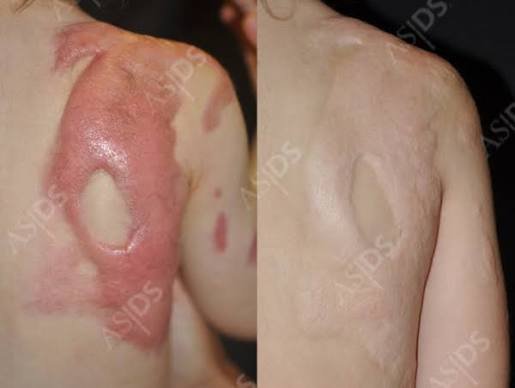
While laser treatment generally does not completely erase a scar, it may make the scar less noticeable. Changes in texture, pigmentation, and redness can contribute to an improved appearance.
Treatment for Different Scar Concerns
Certain laser systems are designed to address pigmentation or redness, while others focus more strongly on texture. This flexibility allows professionals to select treatments according to the individual’s needs.
Gradual Results
Many laser treatments produce results gradually rather than immediately. Collagen remodeling and skin healing can continue for weeks or months after treatment, meaning improvements may become more noticeable over time.
Are There Risks?
Although laser procedures are commonly performed, they are not completely risk-free. Temporary redness, swelling, sensitivity, dryness, or peeling may occur after treatment. These effects often improve as the skin heals.
Changes in skin pigmentation can also occur, particularly in people whose skin is more prone to pigmentation changes after irritation or inflammation. In some cases, laser treatment may cause prolonged discoloration or other skin reactions.
The risk of complications depends on factors such as the type of laser, treatment intensity, skin type, medical history, and aftercare. Choosing a qualified professional and following their instructions can help reduce unnecessary risks.
Who May Be a Good Candidate?
A good candidate for Laser Scar Removal is generally someone who has a stable scar and realistic expectations about what treatment can achieve. The procedure may be considered for people who want to improve scar texture, color, or visibility.
However, not everyone is automatically suitable for laser treatment. A professional may need to consider the scar’s age, location, type, and condition, along with the person’s skin characteristics and history of healing.
If you have an active skin infection, irritation, or another condition affecting the treatment area, laser treatment may need to be postponed. A consultation is the best way to determine whether the procedure is appropriate.
What Happens During Treatment?
Before treatment, the skin is typically evaluated and prepared. Depending on the procedure, a topical anesthetic or another method may be used to improve comfort.
During treatment, the laser device delivers controlled energy to the targeted area. The sensation can vary depending on the technology and treatment intensity. Some people describe warmth, tingling, or mild discomfort.
The length of the appointment depends on the size and location of the scar and the type of laser being used. Afterward, the treated skin may appear red or feel sensitive.
Recovery After Laser Scar Removal
Recovery depends heavily on the laser technology and treatment intensity. Some procedures have relatively little downtime, while more intensive treatments may require several days or longer for the skin to recover.
After treatment, it is important to follow the professional’s aftercare instructions. Keeping the area clean, avoiding unnecessary irritation, and protecting the skin from sunlight can support the healing process.
Sun protection is especially important because treated skin can be more sensitive to ultraviolet exposure. A professional may also recommend specific skincare products or temporarily advise avoiding certain active ingredients.
It is important not to pick, scratch, or unnecessarily rub the treated area while it is healing. Doing so may interfere with recovery and increase the risk of irritation or pigmentation changes.
How Many Treatments Are Needed?
The number of sessions varies from person to person. Some scars may show improvement after one treatment, while others require multiple sessions for more noticeable results.
Factors such as scar depth, age, location, skin type, and the selected laser technology can influence the treatment plan. Your provider can discuss the expected number of sessions during a consultation.
Results also tend to develop gradually. Collagen remodeling can continue after the initial healing period, so the final appearance may take time to become noticeable.
Is Laser Scar Removal Worth Considering?
Laser Scar Removal can be a useful option for people who want to improve the appearance of certain scars without completely removing the affected skin. It may help address texture, redness, pigmentation, and overall scar visibility depending on the treatment selected.
However, it is important to understand that laser treatment is not a guaranteed way to erase scars. The goal is usually to make them less noticeable and improve the appearance of the skin.
If you are considering treatment, speak with a qualified dermatologist or experienced medical professional. They can examine your scar, discuss potential benefits and risks, and determine whether laser treatment is appropriate for your individual situation.
Final Thoughts
Laser Scar Removal may offer meaningful improvements for certain types of scars, but the right treatment depends on your individual skin and scar characteristics. Understanding the potential benefits, risks, recovery requirements, and realistic results can help you make a more informed decision.
A professional consultation should always come before treatment. With an appropriate treatment plan and careful aftercare, laser procedures may help create smoother, more even-looking skin while reducing the visibility of unwanted scars.