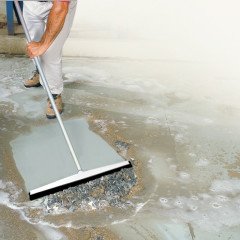



Unexpected water damage can happen at any time. A burst pipe, overflowing appliance, severe storm, roof leak, or plumbing failure can quickly introduce large amounts of water into a home or commercial property. Even a relatively small leak can create lasting problems if it is not addressed promptly.
Water restoration is the process of removing unwanted water, drying affected areas, cleaning damaged materials, and returning the property to a safe and usable condition. Understanding the basic restoration process can help property owners respond quickly and make informed decisions when an emergency occurs.
Understanding the Impact of Unexpected Water Damage
Water can affect much more than floors and visible surfaces. Once it enters a building, it can move through walls, ceilings, insulation, flooring, furniture, and other materials. Moisture may also collect in hidden spaces where it remains unnoticed.
The longer water remains inside a property, the greater the possibility of secondary damage. Persistent moisture can contribute to unpleasant odors, deterioration of building materials, and microbial growth. Wooden components may swell or weaken, while drywall and other porous materials can absorb significant amounts of moisture.
For this reason, identifying the source and beginning appropriate water restoration procedures as soon as possible is important.
What Causes Water Damage?
Unexpected water damage can originate from many sources. Some situations are sudden, while others develop gradually.
Common Sources of Water Damage
Burst or leaking pipes are among the most common causes of indoor water problems. Plumbing fixtures, washing machines, dishwashers, water heaters, and toilets can also fail and release water into surrounding areas.
Weather-related incidents can create another major risk. Heavy rain, storms, flooding, and damaged roofing can allow water to enter through roofs, windows, doors, and exterior walls.
Other causes include clogged drains, overflowing sinks, appliance malfunctions, and damaged plumbing connections. Regardless of the cause, the first priority should be stopping the source whenever it can be done safely.
The First Steps After Water Damage
A quick and organized response can help reduce the extent of damage. Safety should always come before attempting to save belongings or clean the property.
If standing water is near electrical outlets, appliances, or electrical equipment, avoid entering the affected area until it has been determined to be safe. If possible, shut off the water supply to the damaged fixture or plumbing system.
After addressing immediate safety concerns, move valuable items away from the affected area if doing so does not expose you to danger. Take photographs or videos of the damage for documentation and insurance purposes.
It is also important to avoid simply covering up wet areas. Water that remains beneath flooring, behind walls, or inside cabinets may continue causing problems even when visible surfaces appear dry.
How the Water Restoration Process Works
Professional water restoration generally follows a series of steps designed to identify the problem, remove moisture, and restore the affected property.
Inspection and Assessment
The first stage involves examining the property to determine where water has traveled and which materials have been affected. Restoration professionals may inspect floors, walls, ceilings, furniture, insulation, and other areas.
Moisture-detection equipment can help identify damp areas that are not immediately visible. Understanding the full extent of the problem allows the restoration process to be planned more effectively.
Water Removal
Standing water should be removed as quickly as practical. Depending on the amount involved, professionals may use pumps, wet vacuums, and other extraction equipment.
Removing visible water is only part of the process. Moisture trapped inside materials may require additional drying techniques to prevent continuing damage.
Drying and Dehumidification
Once standing water has been extracted, affected areas need to be thoroughly dried. Industrial air movers can increase air circulation, while dehumidifiers can help remove moisture from the surrounding air.
Drying may take time because different materials absorb water at different rates. Professionals can use moisture meters to monitor progress and determine whether affected areas have reached appropriate dryness levels.
Cleaning and Sanitizing Affected Areas
Water damage can leave behind dirt, debris, and contaminants. Floodwater can be particularly problematic because it may contain substances that should not come into contact with people or household items.
Cleaning requirements depend on the source and condition of the water. Restoration professionals can determine which materials can be cleaned and restored and which may need to be removed.
Cleaning and sanitizing can also help address odors and improve the condition of affected surfaces. Porous materials that have absorbed significant amounts of contaminated water may require specialized handling.
Repairing Damaged Materials
Water restoration does not always end when an area is dry. Some building materials may have been permanently damaged and require repair or replacement.
Structural and Cosmetic Repairs
Depending on the severity of the incident, repairs may involve drywall, flooring, baseboards, cabinetry, insulation, paint, or other components. More serious incidents can affect structural elements and require specialized assessment.
A restoration plan should distinguish between materials that can be successfully restored and those that are too damaged to remain in place. Making this determination carefully can help prevent unnecessary repairs while ensuring compromised materials are addressed.
Preventing Future Water Damage
After completing water restoration, property owners should consider how similar incidents can be prevented.
Regularly inspect plumbing connections, hoses, roofs, gutters, and drainage systems. Replace aging washing-machine hoses and other components when appropriate. Keep gutters clear so rainwater can move away from the building efficiently.
Installing leak-detection devices can also provide an early warning when unexpected moisture is detected. Routine maintenance is often easier and less expensive than dealing with extensive water damage later.
Why Professional Restoration Can Be Important
Some minor spills can be handled with household cleaning equipment, but significant water damage can be more complicated than it initially appears. Hidden moisture may remain inside walls, flooring, ceilings, or other materials.
Professional water restoration services have access to specialized extraction, drying, and moisture-detection equipment. Experienced technicians can also evaluate the affected areas and develop a restoration plan based on the type and extent of damage.
Professional assistance can be especially important when water has affected electrical systems, structural components, extensive flooring, or areas that are difficult to access.
Working With Insurance After Water Damage
Property owners should document damage as soon as it is safe to do so. Photographs, videos, receipts, repair records, and written descriptions can help establish what happened and what property was affected.
Insurance coverage varies according to the policy, cause of damage, exclusions, and circumstances of the incident. Contacting the insurance provider promptly can help clarify what documentation and procedures are required.
Keeping records of restoration work, invoices, damaged items, and communications can also make the claims process more organized.
Conclusion
Unexpected water damage can disrupt a property quickly, but a prompt and organized response can help limit its consequences. From stopping the source and removing standing water to drying hidden moisture, cleaning affected areas, and repairing damaged materials, every stage plays an important role.
Water restoration is ultimately about more than making a wet area look dry. It involves identifying the full extent of moisture, addressing affected materials, and helping return the property to a safe and functional condition. With timely action, careful assessment, and appropriate restoration techniques, property owners can manage unexpected water damage more effectively and reduce the possibility of long-term problems.