

Understanding Home Appliance Installation Basics
Home appliance installation refers to the process of correctly setting up electrical and mechanical devices such as air conditioners, washing machines, refrigerators, ovens, and water heaters so they function safely and efficiently. For beginners, the process may seem simple, but modern appliances often require technical knowledge, proper tools, and safety awareness to avoid damage or hazards. Incorrect installation can lead to electrical faults, water leakage, poor performance, or even safety risks like fire or gas leaks.
In modern homes, installation is not just about plugging in a device. It includes positioning, connecting utilities, testing performance, and ensuring long-term reliability. Whether it is a small kitchen appliance or a complex HVAC system, understanding the basics helps homeowners make better decisions and avoid costly repairs later.
Essential Tools and Safety Precautions
Before starting any home appliance installation, having the right tools is crucial. Common tools include screwdrivers, pliers, measuring tape, voltage testers, wrenches, drills, and level meters. For advanced appliances like air conditioners or dishwashers, specialized tools may be required for plumbing or electrical connections.
Safety should always come first. Always disconnect power sources before installation. Wear protective gloves and goggles when necessary. Make sure the installation area is dry and stable. If gas lines or high-voltage wiring are involved, professional assistance is highly recommended. Many accidents happen due to lack of preparation or ignoring manufacturer guidelines.
Another important step is reading the user manual carefully. Every appliance comes with specific installation instructions, and ignoring them can void warranties or reduce efficiency.
Step-by-Step Guide to Basic Appliance Installation
While each appliance is different, the general installation process follows a similar pattern. First, inspect the appliance for any visible damage. Then choose an appropriate location that meets ventilation, space, and power requirements.
Next, prepare the installation site. This may involve clearing space, ensuring proper wall support, or checking water and electrical connections. For example, refrigerators require ventilation space at the back, while washing machines need stable flooring and water inlet access.
After preparation, connect the appliance to its required utilities. This may include plugging into electrical outlets, connecting water hoses, or securing mounting brackets. Once connected, carefully test the appliance to ensure everything is functioning correctly. Check for leaks, unusual noises, or error indicators.
Finally, clean the installation area and secure all loose fittings. Proper finishing ensures long-term durability and safety.
Common Mistakes to Avoid During Installation
Beginners often make mistakes that can lead to performance issues or safety risks. One common mistake is ignoring leveling requirements. Uneven installation can cause vibration, noise, or internal damage, especially in washing machines and refrigerators.
Another mistake is improper electrical handling. Overloading sockets or using incorrect voltage can damage appliances. Similarly, poor ventilation for heat-producing appliances can reduce efficiency and lifespan.
Some users also rush the installation process without testing connections properly. This often results in hidden leaks or loose fittings that become major problems later. Following manufacturer instructions step-by-step helps avoid these issues.
Special Considerations for Air Conditioner Installation
Air conditioner installation is one of the most technical household setups. It involves electrical wiring, refrigerant handling, and precise positioning for airflow efficiency. Improper installation can significantly reduce cooling performance and increase energy consumption.
In some complex environments, such as heavily cluttered or neglected living spaces, installation becomes even more challenging. For example, in situations described by the phrase ゴミ屋敷 エアコン 取付工事, technicians often face difficulties such as blocked installation areas, poor ventilation, and limited access to walls or windows. In such cases, additional cleaning, structural assessment, and careful planning are required before installation can proceed safely.
Proper mounting of indoor and outdoor units is also essential. The indoor unit should be placed where airflow is unobstructed, while the outdoor unit needs open space for heat release. Incorrect placement can reduce efficiency and increase electricity costs. This is why professional handling is often recommended for air conditioning systems, especially in difficult environments.
Importance of Electrical and Plumbing Connections
Many home appliances rely on accurate electrical and plumbing connections. Faulty wiring is one of the leading causes of appliance failure and household accidents. It is important to ensure that circuits are properly grounded and capable of handling the appliance load.
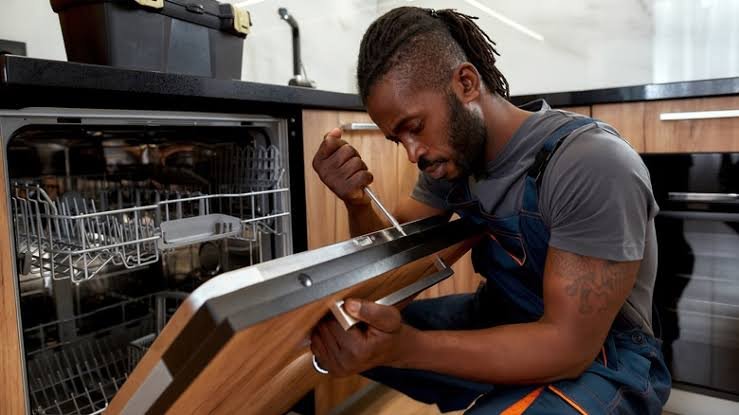
For water-based appliances like dishwashers and washing machines, plumbing connections must be secure and leak-free. Even a small leak can lead to water damage, mold growth, or structural issues over time. Using high-quality hoses and fittings improves reliability and reduces maintenance needs.
Benefits of Professional Appliance Installation
While DIY installation may seem cost-effective, professional installation offers several advantages. Experts have the training and tools to install appliances correctly and safely. They can also identify potential issues that beginners might overlook.
Professional installers ensure compliance with safety standards and manufacturer guidelines. This not only protects the appliance but also maintains warranty coverage. Additionally, professional installation often includes testing and calibration, ensuring optimal performance from the start.
For complex systems like air conditioners, water heaters, and built-in kitchen appliances, professional expertise significantly reduces risk and improves efficiency. It also saves time and prevents costly repairs in the future.
Maintenance Tips After Installation
Proper installation is only the first step; regular maintenance ensures long-term performance. Clean filters in air conditioners and dryers regularly to maintain airflow. Check hoses and connections for wear or leakage. Avoid overloading washing machines and follow usage guidelines for each appliance.
Scheduling periodic inspections can also help detect early signs of wear and tear. Many problems can be prevented with simple maintenance routines, extending the life of the appliance and improving efficiency.
Conclusion
Home appliance installation is a critical process that directly impacts safety, performance, and durability. From basic tools and preparation to advanced systems like air conditioners, every step requires attention and care. Understanding installation fundamentals helps beginners avoid common mistakes and make informed decisions.
In challenging situations, such as environments described by ゴミ屋敷 エアコン 取付工事, professional expertise becomes even more important to ensure safe and effective setup. Whether you choose DIY or professional installation, following proper procedures guarantees that modern home appliances operate efficiently and reliably for years to come.