Turning a startup idea into a successful product is an exciting journey, but it also comes with uncertainty. Entrepreneurs may have a strong concept, an understanding of their target audience, and ambitious growth plans, yet transforming an idea into something customers can actually use requires careful planning and technical expertise. This is where MVP development services can make a significant difference.
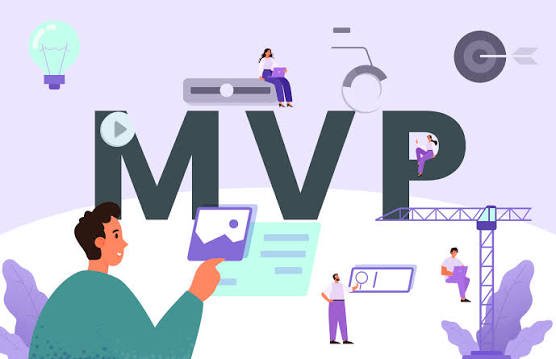
A Minimum Viable Product, commonly known as an MVP, is an early version of a product that includes the essential features needed to solve a specific customer problem. Instead of spending months or years developing a fully featured product, startups can launch a practical version, collect feedback, validate demand, and improve the product based on real-world insights.
Understanding the Purpose of an MVP
An MVP is more than a basic or incomplete version of a product. It is a strategic approach to product development that focuses on delivering core value while avoiding unnecessary features during the initial stage.
For startups, this approach can reduce uncertainty. Instead of assuming customers will appreciate every planned feature, founders can test their assumptions with real users. The information gathered from early customers can then influence future development.
A well-designed MVP answers important questions: Does the market need this solution? Are customers willing to use it? Which features are most valuable? What problems do users encounter? These answers can help founders make better decisions before committing substantial resources.
Turning an Idea Into a Practical Product
One of the biggest challenges startups face is moving from an idea to an actual product. A concept may sound promising on paper, but developing it requires decisions about functionality, technology, user experience, security, scalability, and deployment.
Professional MVP development services help bridge this gap. Development specialists can evaluate the startup concept, identify the most important functionality, and create a roadmap for building the initial product.
The process typically begins with understanding the business objective and target audience. Developers and product specialists then determine which features are essential for the first release. This prevents startups from wasting time and money on features that may not contribute directly to the product’s initial purpose.
Faster Validation of Business Ideas
Speed is particularly important for startups operating in competitive markets. A lengthy development cycle can delay the moment when a business learns whether its idea actually works.
MVP development services allow startups to prioritize essential functionality and create a launchable product more efficiently. Once the MVP reaches users, founders can observe how people interact with it and identify areas that require improvement.
This real-world validation can be more valuable than relying entirely on market research or assumptions. Customer behavior provides direct evidence about what works and what needs to change.
Reducing Development Costs and Risks
Building a complete digital product from the beginning can require significant financial investment. If the final product does not meet customer expectations, much of that investment may be difficult to recover.
An MVP provides a more controlled approach. By focusing on core functionality first, startups can limit initial development expenses while testing market demand.
This does not mean choosing poor-quality development. Instead, the goal is to invest strategically in the features that matter most. Once the product demonstrates traction, additional resources can be allocated toward advanced functionality, integrations, design improvements, and scaling.
Creating a Better User Experience
User experience can determine whether customers continue using a new product. A complicated interface or confusing workflow can quickly discourage users, even when the underlying idea is valuable.
Experienced MVP development services often incorporate user-focused design principles into the development process. The team can create straightforward navigation, clear interfaces, and simple workflows that help users accomplish their goals.
Early users can then provide feedback about their experience. Startups can use this information to improve usability before expanding the product to a larger audience.
Gathering Valuable Customer Feedback
One of the most important advantages of an MVP is the opportunity to learn directly from customers.
Once an initial product is available, startups can collect feedback through reviews, surveys, interviews, usage patterns, support requests, and other channels. This information can reveal which features customers appreciate and which aspects create frustration.
Instead of developing based entirely on assumptions, startups can use evidence to guide their product roadmap. This iterative approach helps ensure that future development responds to genuine customer needs.
Choosing the Right Technology
Technology decisions made during the early stages can influence a product’s performance and future growth. Startups need to balance development speed with maintainability, security, and scalability.
Professional MVP development teams can recommend appropriate technologies based on the product’s requirements. They can consider factors such as expected user volume, platform requirements, integrations, data management, and future expansion.
Choosing suitable technology from the beginning can make it easier to improve and expand the product as the startup grows.
Supporting Continuous Product Improvement
Launching an MVP is not the end of development. It is the beginning of an ongoing learning process.
After launch, startups can analyze feedback and determine which improvements should receive priority. Some features may need refinement, while others may be removed or replaced. New capabilities can also be introduced when customer demand becomes clear.
MVP development services can support this continuous improvement process by helping startups maintain, update, and expand their products as requirements evolve.
Preparing for Market Expansion
A successful MVP can provide a foundation for a larger product. Once the startup confirms that customers are interested in the solution, the company can begin expanding its capabilities.
Future development may include advanced analytics, payment systems, third-party integrations, personalized experiences, automation, improved security, or additional platforms.
A carefully developed MVP makes this transition easier by establishing a functional technical foundation. The product can evolve gradually instead of requiring an entirely new development process.
Helping Startups Compete More Effectively
Startups often compete against established companies with larger budgets and extensive resources. Moving quickly and responding to customer needs can help smaller businesses create opportunities in crowded markets.
MVP development services provide startups with access to development expertise without requiring them to build a large technical team immediately. This can help founders focus on business strategy, marketing, customer relationships, and fundraising while technical specialists handle product development.
The ability to launch, learn, and improve can become a significant competitive advantage.
Building a Strong Foundation for Growth
A market-ready product requires more than a good idea. It needs thoughtful planning, reliable technology, useful functionality, and a clear understanding of customer expectations.
MVP development services help startups bring these elements together through a structured development process. By focusing on essential features, validating assumptions, collecting customer feedback, and improving the product over time, startups can reduce uncertainty while moving closer to product-market fit.
Conclusion
Transforming a startup idea into a market-ready product requires strategic decisions at every stage. Developing everything at once can consume valuable time and resources, while waiting too long to test an idea can allow competitors to move ahead.
MVP development services offer a practical solution by helping startups build essential functionality, launch sooner, validate their concepts, gather customer feedback, and make informed improvements. The MVP approach allows entrepreneurs to learn from real users before making larger investments.
For startups with ambitious ideas, an MVP can provide the bridge between imagination and execution. With the right development strategy, a simple initial product can become the foundation for a scalable, customer-focused business.