


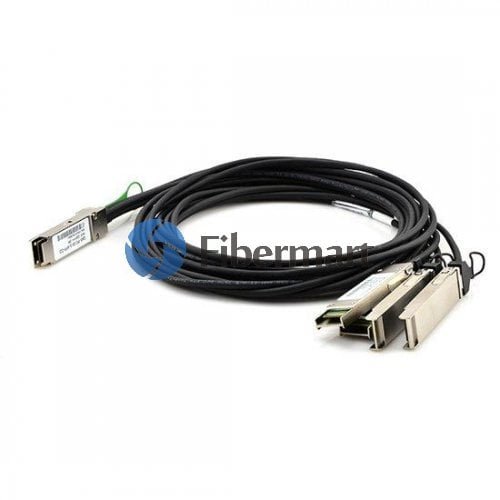
High-speed data networks rely on reliable connections, and QSFP28 copper cables play a vital role in achieving this performance. These cables, particularly the QSFP28 harness cable, are widely used in data centers, high-performance computing, and enterprise networks due to their ability to support 100Gbps data transfer over short distances. However, like any high-speed connection, they can encounter issues that impact network performance. Understanding common problems and their solutions is essential for maintaining a stable network environment.
Understanding QSFP28 Copper Cables
QSFP28 copper cables are designed for high-density, short-reach interconnects. Unlike optical transceivers, copper cables provide a cost-effective solution for short-distance links, typically under 5 meters. The QSFP28 harness cable combines multiple individual copper wires in a single assembly, allowing four lanes of data transfer at 25Gbps each, which aggregate to 100Gbps. While these cables are robust, they can face challenges such as connectivity issues, signal degradation, and physical damage.
Common Issues with QSFP28 Copper Cables
Connectivity Problems
One of the most frequent problems is the failure of devices to recognize the cable. This can result from improper insertion, bent pins, or port compatibility issues. Often, network switches or servers may not detect the QSFP28 cable immediately, leading to intermittent connections.
Solution: Ensure the cable is fully inserted and properly aligned. QSFP28 connectors are designed with a latch mechanism; pressing until it clicks ensures a secure fit. Using certified cables from Fiber-mart guarantees compatibility with most high-speed network equipment. Regular inspection of the cable ends can prevent bent or damaged pins, which are a common cause of connectivity failure.
Signal Interference and Crosstalk
At high data rates, copper cables are susceptible to signal interference and crosstalk. This can result in errors, packet loss, or reduced network throughput. Crosstalk occurs when signals from adjacent pairs interfere with each other, often due to improper shielding or excessive cable bending.
Solution: Using high-quality QSFP28 harness cables with proper shielding minimizes interference. Avoid sharp bends and kinks in the cable, and maintain a separation between data cables and power lines to reduce electromagnetic interference. Fiber-mart provides cables with advanced shielding to ensure minimal crosstalk, preserving signal integrity.
Overheating and Thermal Issues
Data centers often operate in high-density environments, which can lead to overheating of QSFP28 copper cables and their connected devices. Overheating can degrade signal quality, cause intermittent failures, or even damage the cable over time.
Solution: Proper airflow management is crucial. Ensure cables are not blocking ventilation paths in switches or servers. Fiber-mart’s QSFP28 cables are designed to handle high temperatures typical in data centers. Additionally, using structured cabling management, such as racks and trays, prevents excessive heat accumulation and maintains cable longevity.
Compatibility and Firmware Issues
Sometimes, the cable may be physically compatible but not fully functional due to firmware mismatches in network devices. Some switches and servers have strict compatibility lists for transceivers and copper cables. Using non-certified cables may result in error messages or reduced performance.
Solution: Always use QSFP28 cables recommended by the hardware manufacturer. Fiber-mart offers a range of certified QSFP28 copper cables compatible with popular switch and server brands, ensuring smooth plug-and-play operation. Keeping device firmware up to date also resolves potential recognition issues.
Physical Damage
Physical wear and tear are a common culprit behind cable failures. Frequent plugging and unplugging, accidental pulls, or crushing can damage the connectors or internal wiring of QSFP28 cables. Even minor damage can result in degraded performance.
Solution: Handle cables with care, avoiding unnecessary strain. Use proper cable management systems to reduce stress on connectors. Fiber-mart’s robust QSFP28 harness cables are built to withstand repeated insertions and handling, making them suitable for busy data center environments.
Length Limitations
Copper cables have inherent distance limitations. QSFP28 copper cables are ideal for connections up to 5 meters; beyond that, signal loss increases significantly, causing errors and performance degradation. Attempting to use these cables for longer distances can lead to network instability.
Solution: For distances exceeding 5 meters, consider using fiber optic QSFP28 modules instead of copper. Fiber-mart provides both copper and fiber solutions, allowing network architects to choose the best medium for their specific requirements while maintaining performance standards.
Preventive Measures for Reliable Operation
While troubleshooting is necessary, preventive maintenance can significantly reduce issues with QSFP28 copper cables.
- Regular Inspection: Periodically check cables for bent pins, frayed insulation, or other physical damage. Replace damaged cables promptly.
- Proper Handling: Avoid sharp bends and excessive twisting. Use labeled cable trays to keep connections organized.
- Environment Control: Ensure adequate cooling and airflow in equipment racks to prevent overheating.
- Certified Products: Always choose high-quality cables from reputable suppliers like Fiber-mart to ensure compatibility and performance.
Advantages of Using QSFP28 Harness Cables from Fiber-mart
Investing in quality cables reduces network downtime and troubleshooting efforts. Fiber-mart’s QSFP28 harness cables are manufactured to strict standards, offering reliable performance, enhanced shielding, and compatibility with a wide range of network devices. They are designed for high-density environments, making them ideal for modern data centers.
By choosing certified cables from Fiber-mart, network engineers can avoid many common problems, including signal degradation, crosstalk, and connectivity errors. These cables also support easy installation and removal, simplifying network upgrades or reconfigurations.
Conclusion
QSFP28 copper cables are essential components for high-speed, short-distance networking. While issues like connectivity problems, interference, overheating, and physical damage can occur, most problems can be resolved with proper handling, preventive maintenance, and the use of certified products. The QSFP28 harness cable is particularly useful for dense network environments, providing reliable and high-speed data transfer when managed correctly.
For network engineers looking to maintain peak performance, investing in quality cables from trusted suppliers like Fiber-mart ensures reliable operation and minimizes downtime. With careful installation, regular inspection, and adherence to best practices, QSFP28 copper cables can continue to provide robust support for modern high-speed networks.