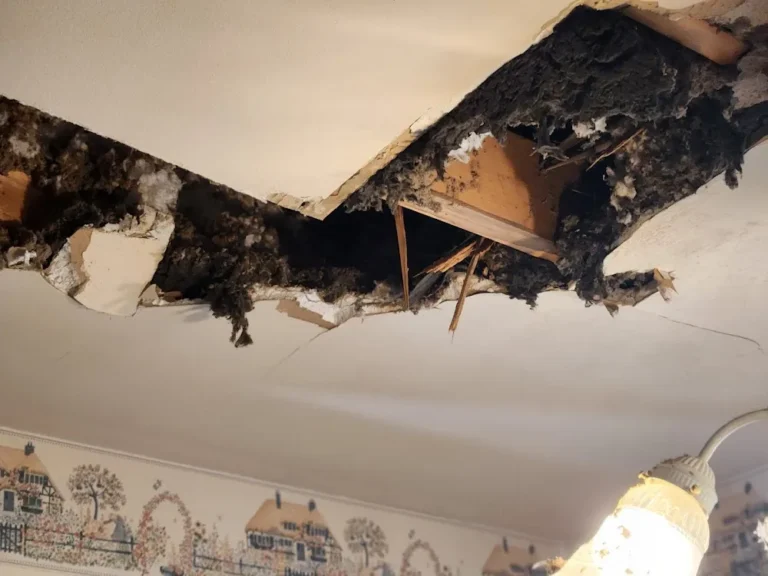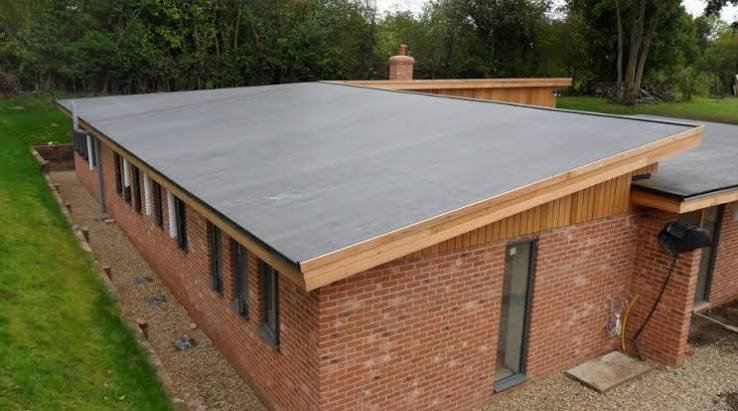

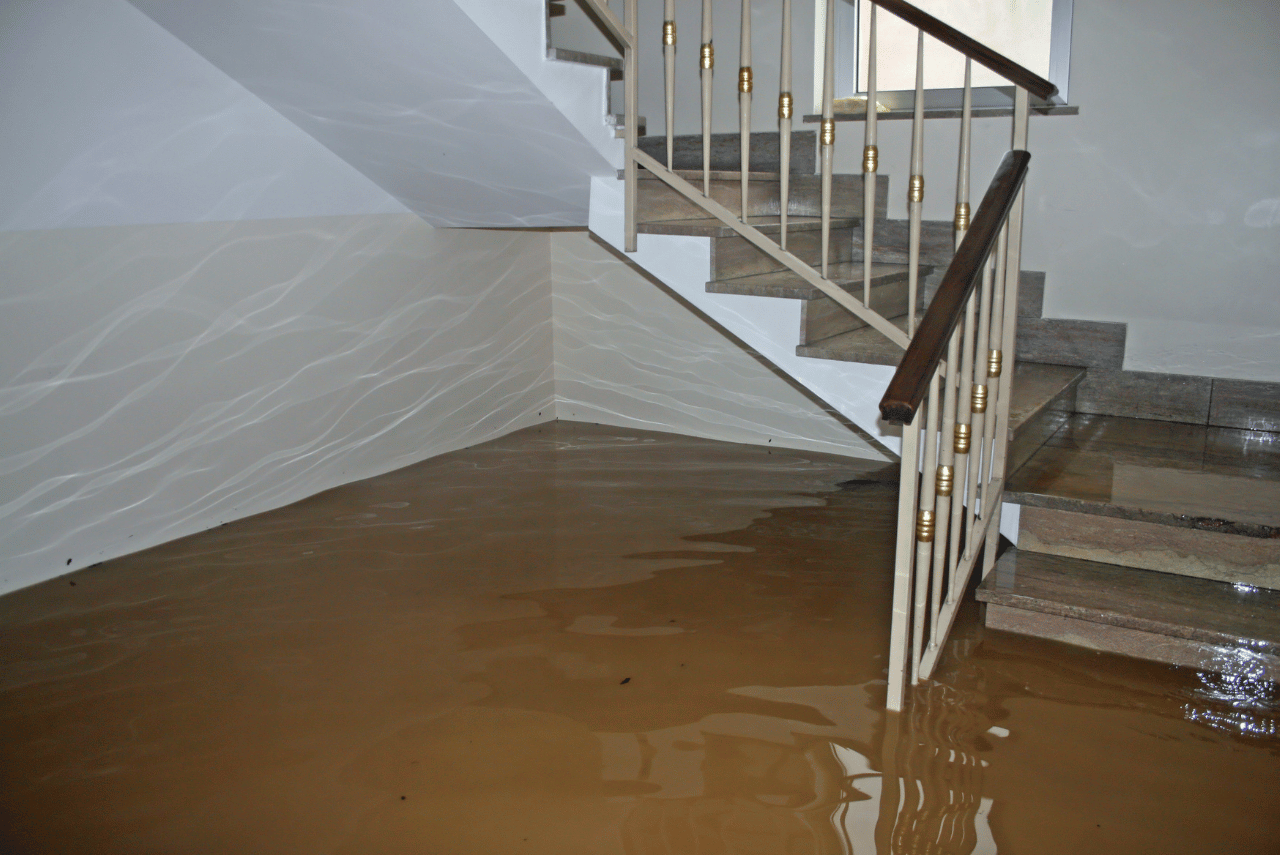
Water damage can happen unexpectedly due to heavy rainfall, flooding, burst pipes, plumbing failures, appliance leaks, or roof problems. When moisture enters a property, it can quickly affect walls, flooring, furniture, electrical systems, and personal belongings. Taking immediate action is essential to reduce destruction, prevent health risks, and restore the property efficiently. A proper water damage recovery process requires careful planning, professional assessment, and effective restoration techniques to bring the affected area back to a safe and functional condition.
Understanding the Impact of Water Damage
Water damage is more than just visible moisture or standing water. It can weaken building structures, damage valuable possessions, and create an environment where mold and bacteria can grow. Even a small leak can become a major problem if it is not addressed quickly. Water can seep into hidden areas such as wall cavities, insulation, subfloors, and ceilings, causing long-term issues that may not be immediately noticeable.
Different categories of water damage require different approaches. Clean water damage usually comes from sources like broken supply lines or overflowing sinks and is often easier to manage. Gray water damage may contain contaminants from appliances or plumbing systems, requiring additional safety measures. Black water damage is the most hazardous type because it can contain harmful bacteria, chemicals, or sewage and requires specialized handling.
Recognizing the type and extent of water damage helps determine the correct restoration strategy. Professional restoration teams use advanced tools such as moisture meters, thermal imaging cameras, and inspection equipment to identify affected areas and develop an effective recovery plan.
Immediate Steps After Water Damage Occurs
Quick action is one of the most important factors in minimizing property loss. The longer water remains inside a building, the more severe the damage becomes. Homeowners and property managers should take several immediate steps after discovering water damage.
First, identify and stop the source of the water if it is safe to do so. Turning off the main water supply can help prevent additional flooding from plumbing failures. If electrical systems are exposed to moisture, avoid contact with affected areas and shut off power only if it can be done safely.
Removing standing water as quickly as possible is another critical step. Pumps, wet vacuums, and professional extraction equipment can help remove excess water efficiently. However, attempting large-scale water removal without proper equipment may spread contamination or cause further damage.
Ventilation is also important during the early stages of recovery. Opening windows, using fans, and improving airflow can help reduce moisture levels. However, drying methods should be carefully managed because improper drying can leave hidden moisture behind.
Professional Water Damage Assessment and Inspection
A thorough inspection is necessary before beginning restoration work. Water damage professionals evaluate the affected areas, determine the severity of the problem, and identify potential risks. They inspect structural components, flooring materials, drywall, insulation, and personal belongings to understand the full impact.
During an assessment, specialists classify the damage level and create a detailed restoration plan. This plan may include water extraction, drying, cleaning, repairs, and preventive treatments. Professional evaluations are especially important because hidden moisture can remain inside walls and floors, leading to mold growth and structural deterioration.
Advanced moisture detection equipment allows restoration experts to locate areas that are not visible to the naked eye. This technology helps ensure that all affected spaces are properly treated before repairs begin.
Water Removal and Drying Process
The water removal stage focuses on eliminating excess moisture from the property. Professional restoration teams use powerful pumps, vacuums, and extraction tools to remove standing water. Once the visible water is removed, the drying process begins.
Industrial air movers and dehumidifiers are commonly used to accelerate evaporation and control humidity levels. Proper drying prevents additional problems such as mold growth, unpleasant odors, and material deterioration. The drying process may take several days depending on the amount of water, the affected materials, and environmental conditions.
Monitoring moisture levels throughout the drying process is essential. Restoration specialists regularly check affected areas to confirm that moisture levels are returning to normal. This ensures that repairs are completed on a stable and safe foundation.
Cleaning and Sanitizing After Water Damage
After water extraction and drying, cleaning and sanitizing are necessary to restore a healthy living environment. Water damage can introduce dirt, bacteria, and contaminants into a property, especially when flooding or sewage issues are involved.
Professional cleaning methods may include disinfecting surfaces, treating damaged materials, removing odors, and restoring salvageable belongings. Furniture, carpets, clothing, and other items may require specialized cleaning techniques depending on the severity of the damage.
In cases involving contaminated water, safety procedures become even more important. Protective equipment and specialized cleaning solutions help reduce exposure to harmful substances and improve indoor air quality.
Repairing and Restoring the Property
The final stage of water damage recovery involves repairing damaged structures and returning the property to its original condition. Repairs may range from minor replacements, such as repainting walls and replacing flooring, to major reconstruction involving drywall, electrical systems, and structural components.
A successful restoration process focuses not only on repairing visible damage but also on preventing future problems. Damaged materials that cannot be restored should be replaced to maintain the safety and durability of the property.
Working with experienced restoration professionals can make the recovery process smoother and more efficient. They understand building materials, moisture control techniques, and repair procedures needed to achieve long-lasting results.
Preventing Future Water Damage Problems
Prevention is an important part of protecting a property after restoration. Regular maintenance can significantly reduce the risk of future water damage. Homeowners should inspect plumbing systems, maintain gutters, check roofing conditions, and repair leaks as soon as they appear.
Installing water detection devices can provide early warnings when leaks occur. Proper drainage around the property can also help prevent flooding during heavy storms. Maintaining appliances such as washing machines, dishwashers, and water heaters reduces the chances of unexpected failures.
It is also helpful to understand the warning signs of potential water issues. Musty odors, peeling paint, warped flooring, and unexplained moisture may indicate hidden water damage that requires attention.
Choosing the Right Water Damage Restoration Service
Selecting a reliable restoration company is an important decision when dealing with serious property damage. A qualified team should have experience handling different types of water damage situations and use modern equipment for extraction, drying, and restoration.
Professional services provide faster response times, accurate assessments, and effective solutions that help prevent additional losses. They can manage the entire recovery process, from initial inspection to final repairs, ensuring the property is restored safely.
Water damage can be stressful and disruptive, but timely action and proper restoration methods can greatly reduce its impact. By understanding the recovery process, addressing problems quickly, and investing in professional assistance when needed, property owners can restore their spaces safely and protect them from future moisture-related issues.