

Live music events, nightclubs, festivals, and parties often revolve around one central figure behind the booth — the DJ. Many people see a DJ standing behind turntables, headphones on, moving knobs and faders, but they often wonder what does a DJ do during a live performance. Is it simply playing songs, or is there more skill and creativity involved?
The truth is that DJing is a dynamic performance art that combines music knowledge, technical ability, crowd psychology, and live creativity. A professional DJ does much more than press play. From selecting tracks to controlling energy on the dance floor, the DJ’s role is to create a continuous musical experience that keeps the audience engaged from beginning to end.
Understanding the Core Role of a DJ
To understand what does a DJ do, it’s important to recognize that DJs are musical storytellers. Their job is to guide the audience through a musical journey, carefully selecting and mixing tracks in a way that maintains rhythm and excitement.
During a live performance, a DJ blends different songs together seamlessly so that the music never stops. Instead of abrupt changes between songs, the DJ transitions smoothly, making the set feel like one continuous track.
This process involves:
- Beatmatching songs so tempos align
- Mixing tracks smoothly
- Adjusting sound levels
- Adding effects and loops
- Reading the audience’s reaction
All these actions happen in real time while the DJ watches how the crowd responds to the music.
Preparing Music Before the Performance
One key part of what does a DJ do happens even before stepping onto the stage. Preparation is essential for a successful live set.
Professional DJs spend hours organizing their music libraries. They analyze tracks by tempo (BPM), musical key, and energy level so they can easily mix songs that sound good together. DJs also create playlists or “crates” based on event type, mood, or genre.
For example, a club DJ may organize tracks into categories like:
- Opening warm-up tracks
- Peak-time dance tracks
- Closing songs
This preparation helps DJs react quickly during a performance while maintaining smooth transitions.
Mixing and Beatmatching Tracks
One of the most important technical skills when discussing what does a DJ do is beatmatching. Beatmatching means aligning the beats of two songs so they play at the same tempo.
When two songs match rhythmically, the DJ can blend them together without the audience noticing where one song ends and another begins.
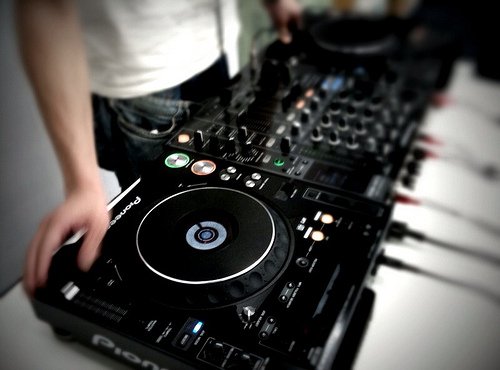
Using DJ equipment such as controllers, mixers, or turntables, DJs adjust tempo and timing using pitch controls and jog wheels. They listen closely through headphones to ensure the beats line up perfectly.
Once the beats match, the DJ slowly fades the new track in while fading the previous track out. This creates the smooth transitions that keep dancers moving without interruption.
Controlling the Energy of the Crowd
Another critical part of what does a DJ do during a live performance is managing the crowd’s energy. A DJ must constantly observe how the audience reacts to each track.
If the dance floor is full and energetic, the DJ may continue playing high-energy tracks. If people seem tired or the floor starts to empty, the DJ might change style or tempo to re-engage the crowd.
This ability to read the room separates average DJs from great performers. It requires experience, intuition, and awareness.
DJs often adjust:
- Music genre
- Tempo speed
- Volume intensity
- Track familiarity
All these decisions are made live to keep the audience connected to the music.
Using DJ Equipment and Technology
Understanding what does a DJ do also involves knowing the tools used during performances. Modern DJs rely on a variety of equipment to control sound and mix tracks creatively.
Common DJ equipment includes:
Turntables or DJ controllers – used to play and manipulate music tracks.
Mixers – allow DJs to blend multiple audio sources and control volume levels.
Headphones – used for previewing the next track before the audience hears it.
DJ software – programs like Serato, Rekordbox, or Traktor help manage digital music libraries and enable advanced mixing features.
Using these tools, DJs can manipulate sound in real time by adjusting bass, mid, and treble frequencies, adding filters, or creating effects that enhance the performance.
Creating Unique Transitions and Effects
Another creative element in what does a DJ do is designing unique transitions between songs. DJs often use sound effects and mixing techniques to keep the performance interesting.
Some common techniques include:
Looping – repeating a small section of a track to extend a buildup.
Echo effects – adding delay effects to smooth transitions.
Filters – removing bass or treble frequencies temporarily to build anticipation.
Scratching – moving vinyl records back and forth rhythmically to create distinctive sounds.
These techniques transform a simple playlist into a live musical performance.
Engaging with the Audience
Beyond music mixing, what does a DJ do also includes engaging with the audience. DJs interact with the crowd in several ways to maintain excitement and connection.
Many DJs raise their hands, gesture to the audience, or use microphones to encourage participation. In festivals or large clubs, DJs may shout phrases like “Make some noise!” or “Are you ready?” to boost energy levels.
This interaction helps create a shared experience where the audience feels part of the performance rather than just listening passively.
Managing the Flow of the Entire Set
A DJ performance is not just about individual songs; it’s about the overall journey. One essential aspect of what does a DJ do is structuring the flow of the entire set.
Most DJ sets follow a natural progression:
The performance begins with slower or lighter tracks that warm up the crowd.
As the audience becomes more energized, the DJ gradually increases tempo and intensity.
Peak moments occur when the DJ plays the most powerful tracks that get everyone dancing.
Finally, the set may slow down again toward the end to bring the experience to a satisfying close.
This structured flow keeps the audience engaged for the entire performance.
Handling Unexpected Situations
Live performances often come with unpredictable challenges. Another part of what does a DJ do is handling problems quickly without interrupting the show.
DJs may face technical issues such as equipment glitches, sound imbalances, or sudden crowd reactions. Experienced DJs remain calm and adapt instantly by switching tracks, adjusting levels, or improvising new mixes.
Their goal is to ensure the audience never notices any problems.
The Creative Art Behind DJing
While DJing involves technical skills, it is also a creative art form. When considering what does a DJ do, it’s important to recognize that DJs create unique experiences every time they perform.
Even if two DJs play the same songs, their mixing style, transitions, track order, and crowd interaction can make the performances completely different.
Great DJs develop their own musical identity and signature sound that fans recognize and enjoy.
Why DJs Are Essential to Live Events
Now that we understand what does a DJ do, it becomes clear why DJs are such an important part of modern entertainment.
They control the atmosphere of parties, clubs, weddings, and festivals. By carefully mixing music and responding to the audience, DJs create unforgettable moments that keep people dancing and enjoying themselves.
Without DJs guiding the musical experience, many live events would lose the energy and flow that makes them memorable.
Conclusion
So, what does a DJ do during a live performance? Far more than simply playing songs, DJs mix music, control crowd energy, create smooth transitions, and shape the entire atmosphere of an event.
From preparation and track selection to live mixing and audience interaction, DJing is a skill that blends technology, creativity, and performance. Every movement behind the DJ booth contributes to an immersive musical journey that keeps the audience engaged from the first beat to the last.