


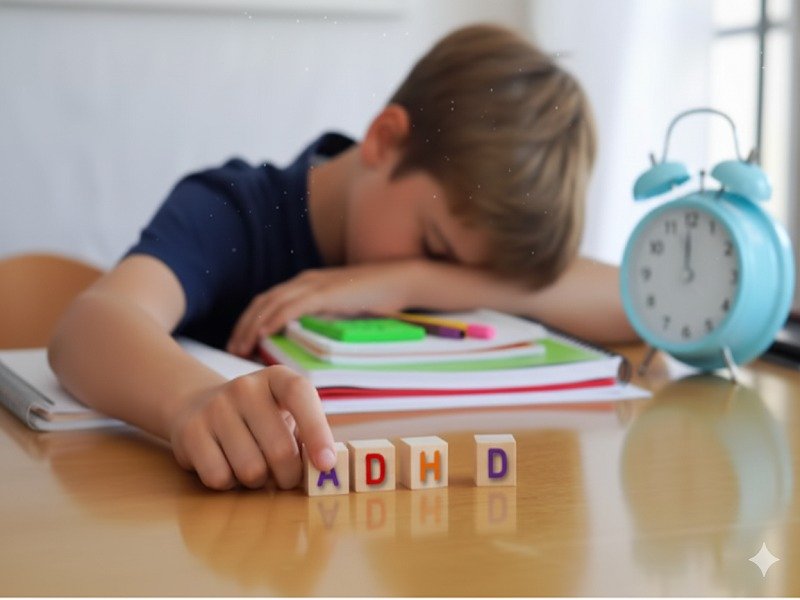
Attention-deficit/hyperactivity disorder, commonly known as ADHD, is one of the most frequently diagnosed neurodevelopmental disorders in children. It affects how children focus, control impulses, and manage their energy levels. While ADHD can present challenges for children at home, in school, and in social settings, early intervention can make a significant difference. Understanding the importance of ADHD treatment for children, recognizing symptoms early, and implementing comprehensive care strategies are essential for ensuring positive long-term outcomes.
Understanding ADHD in Children
ADHD manifests in various ways, primarily through inattention, hyperactivity, and impulsivity. Some children may exhibit predominantly inattentive behaviors, struggling to concentrate, follow instructions, or complete tasks. Others may display hyperactive-impulsive tendencies, such as excessive movement, difficulty waiting their turn, or interrupting conversations. In many cases, children experience a combination of these symptoms.
Recognizing ADHD early is crucial. Children with untreated ADHD often face academic difficulties, lower self-esteem, and challenges in social relationships. Identifying symptoms at an early age allows caregivers and healthcare providers to implement ADHD treatment for children that addresses both behavioral and emotional needs, improving their overall quality of life.
Signs That Early Intervention is Needed
Parents and educators play a pivotal role in spotting the early signs of ADHD. While all children may exhibit periods of inattention or restlessness, children with ADHD display these behaviors consistently and in multiple settings. Key indicators include difficulty sustaining attention in school, frequent careless mistakes, forgetfulness, excessive talking, fidgeting, and trouble following instructions.
Early recognition allows for timely ADHD treatment for children, which can prevent complications and promote healthier development. The sooner interventions begin, the more effective they are in helping children build coping strategies and succeed academically and socially.
Benefits of Early ADHD Treatment for Children
Early ADHD treatment for children can significantly improve a child’s life trajectory. Interventions often include behavioral therapy, parent training, educational support, and, when appropriate, medication. Research shows that children who receive early treatment demonstrate better academic performance, improved self-regulation, and enhanced social skills.
Behavioral therapies focus on teaching children strategies to manage impulsivity, develop organizational skills, and improve attention. Parent training programs empower caregivers to reinforce positive behaviors and create structured environments at home. Schools can provide individualized support plans that accommodate learning differences, ensuring children remain engaged and confident.
Comprehensive Approaches to ADHD Treatment
Effective ADHD treatment for children typically combines multiple approaches tailored to each child’s needs. Behavioral therapy remains a cornerstone, helping children develop practical skills for managing everyday challenges. Cognitive-behavioral techniques may be used to address negative thought patterns and promote problem-solving skills.
Medication can also be an effective part of treatment, particularly for children whose symptoms significantly impair daily functioning. Stimulant medications, such as methylphenidate and amphetamines, have been shown to improve focus and reduce hyperactivity. Non-stimulant medications are available for children who may not respond well to stimulants or experience adverse effects.
Educational support is equally critical. Collaborating with teachers to create individualized learning strategies ensures children can access the curriculum effectively. Simple accommodations, such as extended time on tests, movement breaks, and structured routines, can make a significant difference in a child’s academic success.
The Role of Family Support
Family involvement is crucial in ADHD treatment for children. Consistent routines, clear expectations, and positive reinforcement help children practice self-regulation and develop confidence. Parents who engage actively in therapy sessions, communicate with teachers, and advocate for their child’s needs can significantly enhance treatment outcomes.
Sibling relationships and peer interactions are also affected by ADHD. Families can support positive social development by facilitating playdates, teaching social skills, and encouraging participation in structured extracurricular activities. Building strong relationships and social competence early in life can reduce the risk of long-term emotional difficulties.
Long-Term Impact of Early Treatment
Children who receive early ADHD treatment are more likely to experience positive long-term outcomes. Effective interventions can reduce the risk of academic failure, social isolation, and behavioral problems later in life. Early treatment also lowers the likelihood of coexisting conditions, such as anxiety, depression, and substance abuse, which often develop in untreated children with ADHD.
Early treatment equips children with coping strategies, self-awareness, and resilience, allowing them to navigate challenges more successfully. By addressing ADHD symptoms before they escalate, caregivers and healthcare providers can help children reach their full potential academically, socially, and emotionally.
Common Misconceptions About ADHD Treatment
Despite the growing awareness of ADHD, misconceptions still exist. Some people believe ADHD is caused solely by poor parenting, lack of discipline, or laziness. In reality, ADHD is a neurodevelopmental disorder with biological, genetic, and environmental factors influencing its onset.
Another misconception is that medication alone is sufficient. While medication can be highly effective in managing symptoms, combining it with behavioral therapy, educational support, and family involvement yields the best outcomes. Early ADHD treatment for children requires a holistic, individualized approach rather than a one-size-fits-all solution.
Encouraging Early Diagnosis and Intervention
Promoting awareness among parents, educators, and healthcare providers is essential for encouraging early diagnosis. Routine screenings during pediatric visits, observations by teachers, and open communication between caregivers and professionals can identify children at risk. Early intervention programs should be accessible, affordable, and culturally sensitive to ensure all children benefit from timely ADHD treatment for children.
Educating families about ADHD and available resources empowers them to take proactive steps. Support groups, counseling services, and online resources provide guidance, reduce stigma, and create a network of assistance for children and their families.
Conclusion
Early ADHD treatment for children plays a pivotal role in shaping their future. Recognizing symptoms, seeking timely intervention, and implementing comprehensive care strategies can significantly improve academic performance, social skills, and emotional well-being. Families, schools, and healthcare providers must work together to provide individualized support and guidance.
With early intervention, children with ADHD can thrive, develop essential life skills, and reach their full potential. By prioritizing ADHD treatment for children, society not only helps individual children but also invests in healthier, more successful generations. Early action truly matters, turning potential challenges into opportunities for growth and success.