


Introduction to Core Spun Yarn
Core spun yarn has become one of the most innovative and in-demand materials in modern textile manufacturing. Known for its strength, flexibility, and superior performance, this yarn type is created by wrapping a sheath of fibers around a central core. The combination of materials enhances the quality and durability of fabrics, making core spun yarn a preferred choice for various applications. As the textile industry evolves, manufacturers continue to adopt core spun yarn to improve the performance and comfort of garments. Understanding its advantages can help producers make more informed decisions when selecting yarn for different fabric types.
What Is Core Spun Yarn?
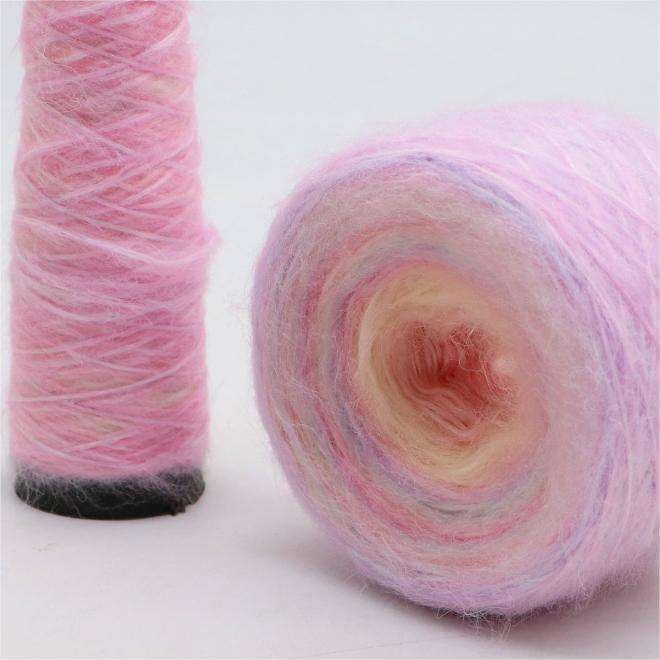
Core spun yarn consists of two main parts: a central core filament, typically made of polyester, nylon, or spandex, and an outer layer of staple fibers such as cotton. This structure brings together the benefits of both materials—strength from the core and softness from the outer layer. Because of its enhanced properties, core spun yarn is widely used in denim, sportswear, workwear, hosiery, and other performance-oriented textiles.
Enhanced Durability and Strength
One of the top advantages of using core spun yarn is its exceptional durability. The strong filament core reinforces the yarn, making it less prone to breakage during weaving or knitting. This durability results in longer-lasting fabrics that can withstand frequent use and repeated washing. Manufacturers often prefer core spun yarn for garments that require high tensile strength, such as uniforms, jeans, and protective clothing. The yarn also contributes to better abrasion resistance, ensuring fabrics remain intact and presentable even under rough conditions.
Superior Elasticity and Stretch
When materials such as spandex are used in the core, core spun yarn provides excellent elasticity. This stretchability improves comfort and fit, making garments more adaptable to body movements. Fabrics made from core spun yarn with elastic cores retain their shape far better than those made with traditional yarns. Sportswear, leggings, and stretch denim benefit greatly from this feature, as it supports flexibility without compromising durability. Elasticity also enhances wrinkle resistance, giving fabrics a smoother, more polished appearance.
Improved Fabric Appearance and Feel
Core spun yarn ensures an even and consistent appearance due to its smooth structure. The outer layer of staple fibers provides a soft, natural feel, while the core enhances uniformity and reduces pilling. The result is a cleaner fabric surface that looks high-quality and feels comfortable against the skin. Because of this improved finish, core spun yarn is ideal for premium garments where both aesthetics and comfort are priorities.
Increased Production Efficiency
Another important advantage of core spun yarn is its contribution to efficient manufacturing processes. The added strength minimizes yarn breakage during spinning, weaving, or knitting, which reduces downtime and increases productivity. Manufacturers can run machines faster and with fewer interruptions, improving overall output. This efficiency not only saves production time but also lowers operational costs, making core spun yarn a cost-effective option in large-scale textile production.
Better Moisture Management
Fabrics made with core spun yarn often have superior moisture absorption and quick-drying abilities, depending on the materials used. When cotton is used in the outer layer, the fabric can easily absorb sweat while the inner core may help it dry faster. This dual function makes core spun yarn suitable for activewear, socks, and undergarments, where moisture control plays a significant role in comfort. Improved moisture management also helps reduce odors, keeping garments fresher for longer periods.
Enhanced Heat and Chemical Resistance
The filament core of core spun yarn often contributes to better heat and chemical resistance. For example, polyester cores offer stability against heat while maintaining strength, making the yarn suitable for industrial and workwear fabrics. These fabrics need to endure harsh conditions and maintain performance under extreme temperatures or chemical exposure. Core spun yarn provides the reliability needed for these demanding environments.
Ideal for High-Performance and Technical Textiles
Modern technical textiles require materials that offer both functionality and comfort. Core spun yarn is an excellent match for these requirements. Its combination of strength, stretch, durability, and comfort makes it suitable for: sportswear and fitness apparel, medical textiles, fire-resistant clothing (when combined with appropriate fibers), military fabrics, workwear and uniforms, and specialized industrial fabrics. Its versatility allows manufacturers to create fabrics tailored to specific performance needs, enhancing product quality and customer satisfaction.
Cost-Effectiveness in the Long Run
Although core spun yarn can sometimes be more expensive than traditional yarns, the long-term benefits outweigh the initial investment. Fabrics made from core spun yarn last longer, resist wear and tear, and require fewer replacements. The enhanced production efficiency and reduced machine downtime also contribute to cost savings. For brands focusing on quality and long-term value, core spun yarn is a smart and economical choice.
Eco-Friendly Options and Sustainability
As sustainability becomes a growing concern, many manufacturers now produce eco-friendly core spun yarn using recycled polyester or organic cotton. These environmentally conscious options reduce waste and conserve natural resources. The extended lifespan of fabrics made with core spun yarn also supports sustainability by decreasing the frequency of garment disposal. By choosing eco-friendly versions, textile producers can align with consumer demand for greener and more responsible fashion.
Conclusion
Core spun yarn has transformed fabric production by offering unmatched durability, improved elasticity, better moisture management, and enhanced fabric aesthetics. Its unique structure delivers both strength and comfort, making it ideal for various textile applications—from everyday clothing to high-performance industrial fabrics. As the demand for high-quality, long-lasting, and versatile materials continues to rise, core spun yarn stands out as an essential component in modern textile manufacturing. Embracing this innovative yarn type allows manufacturers to elevate product quality, optimize production efficiency, and meet evolving market demands.