

Mold growth in homes is more than just an aesthetic issue; it can pose significant health risks if left untreated. Mold thrives in damp, humid environments and can cause respiratory issues, allergies, and even structural damage to your home. Understanding the process of mold remediation is crucial for homeowners who want to maintain a safe and healthy living space. This article explores the essential steps involved in mold remediation, providing a comprehensive guide for keeping your home mold-free.
Identifying Mold in Your Home
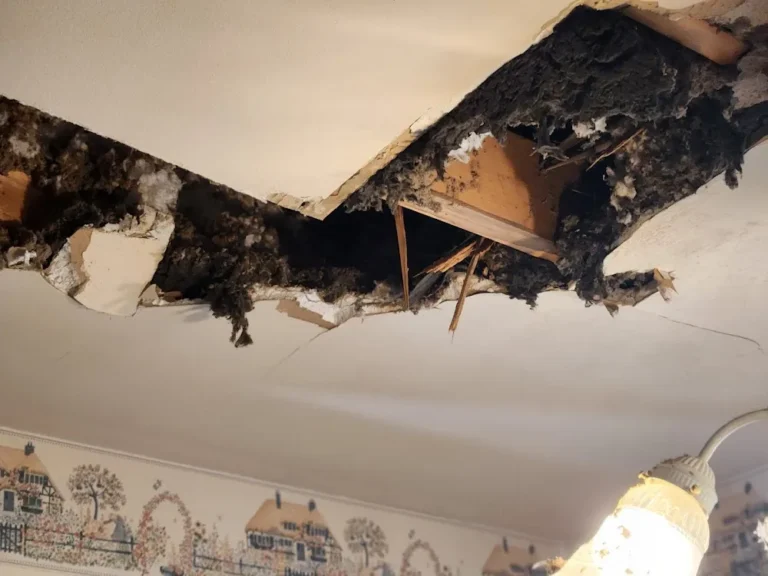
The first step in mold remediation is recognizing the signs of mold growth. Mold often appears as black, green, or white patches on walls, ceilings, and other surfaces. A musty or earthy odor is another indicator of hidden mold. Common areas prone to mold include bathrooms, basements, attics, and around windows where moisture accumulates. Early detection is key to preventing extensive damage and complicated remediation processes.
Homeowners should also be aware of the health symptoms associated with mold exposure. Sneezing, coughing, nasal congestion, eye irritation, and skin rashes can all signal the presence of mold in the home. In some cases, prolonged exposure can lead to more severe respiratory conditions, especially for individuals with asthma or weakened immune systems.
Assessing the Extent of the Problem
Once mold is identified, it’s important to determine the scope of the problem. Small patches of mold can often be managed with DIY methods, but widespread contamination requires professional mold remediation. Inspecting hidden areas, such as behind walls, under carpets, or inside HVAC systems, is necessary to ensure that all mold colonies are located and addressed.
Moisture detection tools, like hygrometers and infrared cameras, can help assess damp areas that may not be visibly affected by mold. A thorough inspection ensures that the remediation process targets the root cause of mold growth, rather than just treating the visible symptoms.
Containing the Mold
Effective mold remediation requires containment to prevent spores from spreading to other areas of the home. Professionals often use plastic sheeting, negative air pressure, and other barriers to isolate affected areas. Containment is crucial because mold spores are microscopic and can easily travel through the air, infecting clean areas and complicating the cleanup process.
For smaller, DIY mold removal projects, sealing off the room, wearing protective gear, and ventilating the area properly can reduce the risk of cross-contamination. Proper containment protects both the residents and the unaffected parts of the home during the remediation process.
Removing Contaminated Materials
Mold remediation often involves removing porous materials that cannot be thoroughly cleaned, such as drywall, insulation, carpets, and ceiling tiles. These materials can harbor mold deep within their structure, making complete removal the safest option. Non-porous surfaces like glass, metal, and plastic can usually be cleaned and disinfected rather than discarded.
The removal process should be conducted carefully to minimize the release of spores. Bagging contaminated materials in heavy-duty plastic and sealing them before disposal is a recommended practice. This step is critical to ensuring that mold does not continue to spread after the removal process.
Cleaning and Disinfecting Surfaces
After removing contaminated materials, cleaning and disinfecting remaining surfaces is essential. Mold remediation involves scrubbing surfaces with detergent or specialized mold cleaners to eliminate spores. In some cases, professionals may use antimicrobial solutions or HEPA vacuum systems to capture airborne mold particles.
It’s important to follow proper cleaning protocols to ensure that mold does not reestablish itself. Surfaces should be thoroughly dried after cleaning, as residual moisture can promote further growth. Regular cleaning and maintenance can also help prevent future infestations.
Addressing Moisture Issues
Mold remediation is not complete without addressing the underlying moisture problem. Mold cannot survive without moisture, so identifying and fixing leaks, improving ventilation, and controlling humidity levels are essential. Common solutions include repairing plumbing leaks, sealing windows, using dehumidifiers, and ensuring proper airflow in damp areas.
Preventing moisture buildup is the most effective long-term strategy to maintain a mold-free environment. Homeowners should monitor areas prone to dampness and take proactive measures to control humidity and prevent water damage.
Professional Mold Remediation Services
While small mold issues can be managed independently, extensive mold growth requires professional remediation services. Certified mold remediation specialists have the tools, training, and experience to safely and effectively remove mold from homes. Professionals can also perform post-remediation testing to confirm that mold levels are within safe limits.
Hiring a professional is particularly important when mold affects large areas, HVAC systems, or structural elements of the home. They can implement advanced containment, cleaning, and restoration techniques to ensure a safe and thorough remediation process.
Post-Remediation Inspection and Prevention
After mold remediation, a post-inspection ensures that the affected area is safe and free from active mold. Testing for mold spores in the air and on surfaces helps confirm the success of the remediation process. Homeowners should also implement preventive measures, such as using moisture barriers, maintaining proper ventilation, and conducting routine inspections of high-risk areas.
Educating residents about mold prevention is an important part of maintaining a safe home environment. Awareness of the signs of moisture buildup and early mold growth can help prevent future infestations.
Health and Safety Considerations
Mold exposure can have serious health consequences, so safety during the remediation process is paramount. Wearing protective gear, including gloves, masks, and eye protection, is recommended for anyone handling mold. Vulnerable individuals, such as children, the elderly, and those with respiratory conditions, should avoid affected areas until remediation is complete.
Proper disposal of contaminated materials and thorough cleaning of clothing and equipment used during the process also contribute to maintaining a healthy living space. Safety measures are essential for protecting both residents and remediation workers.
Conclusion
Understanding mold remediation is vital for homeowners seeking to maintain a safe and healthy home environment. The process involves identifying mold, assessing its extent, containing affected areas, removing contaminated materials, cleaning and disinfecting surfaces, addressing moisture issues, and, when necessary, hiring professional services. Post-remediation inspections and preventive measures are key to ensuring long-term mold control.
By taking mold remediation seriously, homeowners can protect their property, safeguard their health, and enjoy a clean, safe living space. With proper knowledge, preparation, and action, it’s possible to eliminate mold hazards and create an environment where mold cannot thrive.