



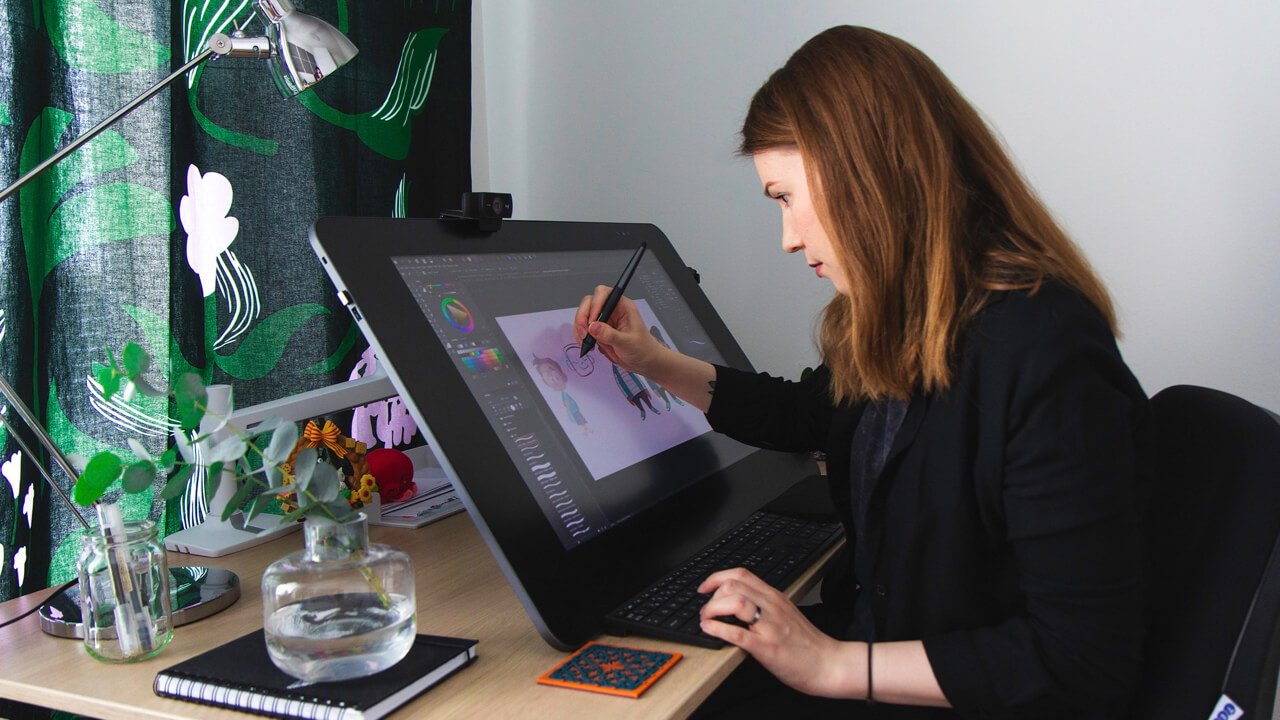
Creative ideas often begin as simple thoughts, sketches, conversations, or imaginative concepts. Turning those ideas into engaging visual experiences requires more than artistic talent. It involves planning, storytelling, design, technology, collaboration, and careful execution. An animation studio brings these elements together to transform an initial concept into a finished animation that can communicate a message, entertain an audience, or explain something in a memorable way.
Understanding the Creative Vision
The first stage of any animation project is understanding the creative idea. Clients may arrive with a detailed script, a rough concept, a storyboard, or simply an idea they want to explore. An animation studio works closely with the client to understand the project’s purpose, target audience, tone, visual style, and overall objectives.
This stage is important because a strong understanding of the creative vision provides direction for the entire production. The team may ask questions about the intended message, characters, environment, pacing, and emotional impact. By establishing these details early, the production team can create a clear roadmap for developing the project.
Developing the Story
A compelling animation needs more than attractive visuals. It needs a story that gives the audience a reason to keep watching. Story development transforms an idea into a structured narrative with a beginning, middle, and conclusion.
Writers and creative directors may develop characters, dialogue, scenes, conflicts, and resolutions based on the original concept. For marketing animations, the story might focus on a product or service. For entertainment, it may revolve around characters and their experiences. Educational animation may use storytelling to make complex information easier to understand.
The goal is to make the message clear while keeping the audience engaged throughout the experience.
Creating Concept Art and Visual Direction
Once the story has been established, the visual development process begins. Designers create concept art to determine how characters, locations, objects, colors, and environments should look.
An animation studio can explore multiple visual directions before selecting the most suitable style. Depending on the project, this could involve hand-drawn illustrations, modern 2D graphics, detailed 3D environments, motion graphics, or a combination of different techniques.
Concept art allows clients and creative teams to visualize the project before full production begins. It also creates a consistent visual language that guides designers and animators during later stages.
Building the Storyboard
A storyboard works like a visual blueprint for an animation. It presents important scenes in sequence and helps the production team understand how the story will unfold.
Storyboards can show character positions, camera angles, important actions, transitions, and major visual details. They also help determine pacing and timing. Before expensive production work begins, the team can identify potential problems and make adjustments to the sequence.
This process saves time and helps ensure that everyone involved has the same understanding of the final vision.
Bringing Characters to Life
Characters are often at the heart of an animated project. Creating believable characters involves much more than drawing an appealing appearance. Designers must consider personality, movement, expressions, body language, and behavior.
In 2D animation, characters may be created as illustrations that are animated frame by frame or through digital rigging systems. In 3D animation, characters are modeled digitally and prepared with skeletons and controls that allow animators to create realistic or stylized movement.
Animators study how people, animals, and objects move so they can create actions that feel natural. Even highly exaggerated cartoon movements often rely on an understanding of timing, weight, balance, and physical motion.
Animation and Motion
After the visual assets are ready, animators begin creating movement. This is where static designs become active storytelling elements.
Animators carefully control timing, spacing, expressions, gestures, camera movements, and transitions. Small changes can significantly affect how an audience interprets a scene. A character’s movement might communicate excitement, sadness, confidence, surprise, or humor without using a single word.
Modern animation also allows creators to develop complex environments, visual effects, simulations, and cinematic camera movements. Technology provides powerful tools, but creative judgment remains essential for deciding how those tools should be used.
Adding Sound and Voice
Sound is another important part of bringing an animation to life. Voice acting can give characters personality and emotional depth, while music establishes mood and supports the story.
Sound effects can make actions feel more realistic or dramatic. Footsteps, environmental sounds, object movements, and other audio details can make animated scenes feel more immersive.
The combination of visuals, dialogue, music, and sound effects creates a complete sensory experience. A well-produced animation uses these elements together rather than treating them as separate components.
Using Technology and Creative Tools
An animation studio relies on a wide range of digital tools throughout production. Software can support illustration, modeling, character rigging, animation, compositing, editing, rendering, and visual effects.
Technology has made it possible for creative teams to produce increasingly sophisticated visual content. However, software alone does not create an effective animation. Experienced professionals must understand how to combine technical capabilities with storytelling and artistic principles.
The strongest results usually come from a balance between creative imagination and technical expertise.
Collaboration Throughout Production
Animation is rarely created by one person. A typical project may involve writers, directors, illustrators, storyboard artists, character designers, animators, sound professionals, editors, and technical specialists.
Collaboration allows each professional to contribute specialized knowledge. Directors maintain the overall creative vision, while artists and animators focus on visual execution. Editors help refine timing and structure, and sound professionals strengthen the emotional impact.
Regular communication between team members helps prevent misunderstandings and keeps the production moving toward the same goal.
Reviewing and Refining the Final Product
Animation usually requires several rounds of review. Once scenes are produced, the creative team examines the animation for visual consistency, storytelling clarity, timing, sound quality, and technical performance.
Clients may provide feedback during review stages, allowing the production team to make appropriate adjustments. Characters may need different expressions, scenes may require improved pacing, or certain visual elements may need to be redesigned.
This refinement process is essential because even a strong initial concept can benefit from careful review and improvement.
Delivering an Engaging Visual Experience
The final stage is preparing the completed animation for its intended platform. An animation may be designed for television, websites, social media, presentations, advertisements, mobile applications, educational platforms, or other digital environments.
The production team considers factors such as resolution, aspect ratio, file format, playback requirements, and platform specifications. Proper preparation ensures that the animation maintains its quality wherever audiences encounter it.
Why Professional Animation Matters
Professional animation can turn complicated ideas into accessible and memorable visual experiences. Businesses can use animation to introduce products, explain services, strengthen branding, and communicate concepts that may be difficult to describe through text alone.
Entertainment projects can use animation to create imaginative worlds and memorable characters. Educational organizations can use it to simplify lessons and make information more engaging.
By combining storytelling, design, motion, sound, and technology, an animation studio can transform an abstract idea into something audiences can see, understand, and remember.
Conclusion
Bringing a creative idea to life is a detailed process that requires imagination, organization, technical knowledge, and collaboration. From the first concept and story development to design, storyboarding, animation, sound, editing, and final delivery, every stage contributes to the finished experience.
An animation studio provides the creative and technical expertise needed to move an idea from imagination to reality. When talented professionals and a clear creative vision come together, animation becomes more than moving images—it becomes a powerful way to tell stories, communicate messages, and create lasting audience experiences.