
Introduction
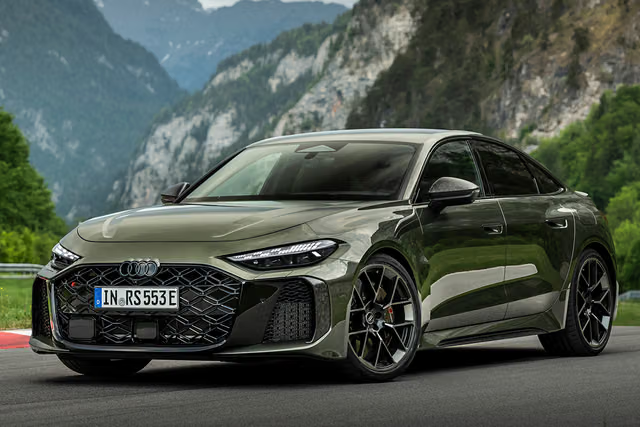
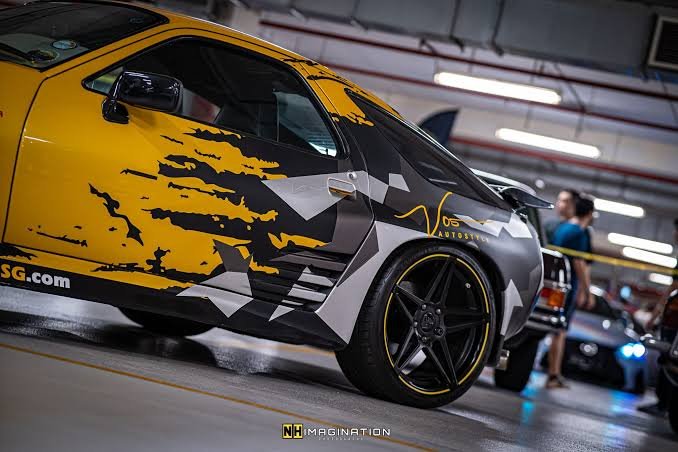
A car is more than a way to travel from one place to another. For many drivers, it reflects personal style, creativity, and a passion for automotive design. One of the most popular ways to customize a vehicle is by installing a bodykit. bodykits can transform a standard car into a more distinctive vehicle by improving its appearance and, in some cases, supporting better aerodynamic performance.
However, choosing the right bodykit requires more than selecting an attractive design. Drivers must consider compatibility, material quality, installation costs, maintenance requirements, and local vehicle regulations. Understanding these factors makes it easier to choose an upgrade that suits both personal preferences and practical driving needs.
What Are Bodykits?
Bodykits are collections of exterior components designed to modify the appearance or aerodynamic characteristics of a vehicle. Depending on the design, a kit may include front bumpers, rear bumpers, side skirts, spoilers, diffusers, and other styling accessories.
Some bodykits focus primarily on visual improvements, while others are developed with aerodynamic performance in mind. For example, a front lip can create a lower, sportier appearance, while side skirts help connect the visual lines between the front and rear sections of a vehicle.
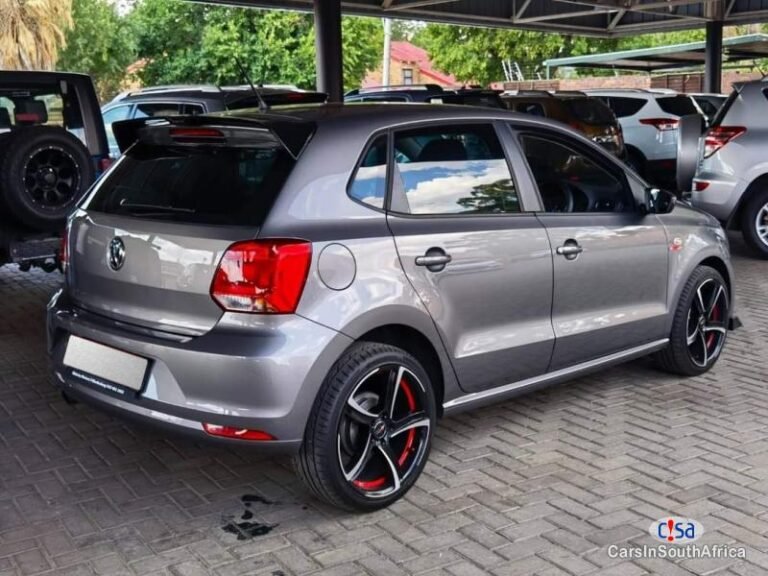
Bodykits are available for many types of cars, including hatchbacks, sedans, coupes, and sports cars. Some are designed for everyday vehicles, whereas others are inspired by motorsport styling.
The most important consideration is selecting components that match the vehicle’s specific make, model, year, and existing body configuration.
Different Types of Bodykits
Full Bodykits
A full bodykit usually includes several coordinated exterior components. These may feature redesigned front and rear bumpers, side skirts, and additional styling elements.
Full kits are suitable for drivers who want a consistent transformation rather than changing one section at a time. Because all the components are designed to complement one another, they can create a balanced appearance.
However, full bodykits generally require a larger budget and more installation time than individual accessories. Buyers should confirm exactly which parts are included before placing an order.
Front Lip Kits
Front lip kits attach to the lower section of the front bumper. They create a sportier profile and can visually lower the front of the car.
Some front lips are engineered to influence airflow, but their actual aerodynamic benefits depend on the design, vehicle speed, and installation quality. A decorative lip should not automatically be considered a performance upgrade.
Drivers should also consider ground clearance, particularly when navigating speed bumps, steep driveways, or uneven roads.
Side Skirts
Side skirts run along the lower sides of a vehicle, between the front and rear wheel areas. They create a more connected appearance and can make a car look lower and more streamlined.
Before purchasing side skirts, check their dimensions and mounting points. Poorly fitted components may leave gaps, interfere with existing trim, or become damaged during ordinary driving.
Rear Spoilers and Diffusers
Rear spoilers are commonly installed to enhance a vehicle’s sporty appearance. Depending on their design, they can also influence airflow and aerodynamic forces.
Rear diffusers are positioned underneath the rear section of a vehicle and are designed to manage airflow beneath the car. Their effectiveness depends on factors such as shape, positioning, and the vehicle’s overall aerodynamic setup.
For everyday drivers, it is important to distinguish between decorative accessories and components designed and tested for measurable performance improvements.
Choose the Right Material
Material selection influences a bodykit’s price, weight, durability, appearance, and repair requirements.
ABS Plastic
ABS plastic is widely used for automotive exterior accessories because it offers a useful balance of flexibility, durability, and affordability. It can be suitable for drivers seeking practical styling upgrades for regular road use.
Its ability to tolerate some minor impacts can be beneficial, although quality varies between manufacturers and products.
Fiberglass
Fiberglass bodykits are popular because they can be manufactured into complex shapes and distinctive designs. They may also be relatively affordable compared with some premium materials.
However, fiberglass can crack under certain impacts, and some kits require additional preparation before painting and installation. Buyers should assess construction quality rather than assuming all fiberglass products perform equally.
Polyurethane
Polyurethane components are valued for their flexibility and ability to withstand certain minor impacts without immediately cracking. This makes them an option worth considering for drivers who prioritize practical everyday use.
The final performance depends on the specific material formulation, component thickness, mounting system, and manufacturing quality.
Carbon Fiber
Carbon fiber is associated with premium automotive styling and lightweight construction. It is often used for spoilers, mirror covers, front lips, and other performance-inspired accessories.
However, genuine carbon fiber can be expensive, and damaged components may require specialist repairs. Some products advertised with a carbon-fiber appearance are made from other materials with a decorative finish.
Always read the product description carefully to understand what you are purchasing.
Check Vehicle Compatibility
Compatibility is one of the most important factors when selecting a bodykit. Even vehicles from the same manufacturer can have different bumper shapes, mounting points, and dimensions across model years or trim levels.
Before buying, confirm the following details:
- Vehicle make, model, and production year.
- Exact trim level and bumper configuration.
- Whether the kit is designed for the standard model or a specific performance edition.
- Included mounting hardware and installation instructions.
- Compatibility with parking sensors, cameras, lights, and other existing equipment.
A product that looks correct in photographs may still require modifications to fit properly. If compatibility information is unclear, contact the seller and request confirmation before ordering.
Accurate measurements and clear product documentation can prevent unnecessary expenses and installation delays.
Consider Your Budget
The cost of a bodykit involves more than the purchase price. Buyers should also account for shipping, painting, installation, mounting hardware, and possible adjustments.
A basic styling accessory may be relatively inexpensive, while a complete premium kit can require a much larger investment. Custom fabrication and specialist paintwork can increase the total further.
It is sensible to establish a complete budget before comparing products. A cheaper kit may become more expensive if it requires extensive fitting work or additional repairs.
Similarly, the highest-priced option is not necessarily the best choice. Look for a combination of suitable materials, reliable manufacturing, confirmed compatibility, and clear installation guidance.
Spending carefully helps ensure that the finished upgrade meets expectations without creating avoidable financial pressure.
Match the Design to Your Car
A successful bodykit should complement the original shape of the vehicle. Consider the car’s proportions, paint color, wheel design, and overall styling before choosing a particular look.
Drivers who prefer a subtle appearance might select a front lip, understated side skirts, or a small rear spoiler. Those seeking a more dramatic transformation may prefer a coordinated full bodykit with angular details and a wider visual profile.
It is also helpful to consider the vehicle’s intended purpose. A daily commuter may benefit from a restrained design that preserves ground clearance and practicality. A show car can accommodate more elaborate styling when its owner is prepared for the additional maintenance.
Before making a purchase, compare photographs of similar vehicles fitted with the same components. This can provide a clearer idea of how the design may look in real-world conditions.
Professional Installation or DIY?
Installation quality affects both appearance and safety. Some accessories can be fitted by experienced enthusiasts using appropriate tools, while full bodykits may require specialist knowledge and equipment.
Professional installers can assess mounting points, adjust panel alignment, prepare surfaces, and coordinate paint matching. They can also identify potential problems involving sensors, lights, or existing bodywork.
If you choose to install components yourself, read the instructions carefully and make sure you have the necessary tools and experience. Never rely on improvised mounting methods for exterior parts that could detach while driving.
For components that affect vehicle structure, lighting, or important safety equipment, professional assistance is particularly valuable.
Understand Maintenance Requirements
Bodykits need regular care to preserve their appearance and condition. Road debris, weather exposure, parking impacts, and uneven surfaces can damage exterior components over time.
Wash modified bodywork with suitable automotive cleaning products and inspect mounting points periodically. Check for loose fasteners, cracks, peeling paint, and changes in panel alignment.
Low-mounted components deserve additional attention because they may encounter speed bumps and steep entrances. Drivers should approach obstacles carefully and avoid unnecessary contact with the road surface.
If a component becomes damaged, arrange appropriate repairs rather than ignoring loose or unstable fittings.
Proper maintenance helps protect the investment and keeps the vehicle looking well cared for.
Check Local Regulations
Before installing a bodykit, review the vehicle modification rules that apply where you live. Requirements may address bumper construction, exterior projections, lighting, registration details, ground clearance, or other road-safety considerations.
A modification that is acceptable for a display vehicle may not necessarily be suitable for public roads. Oversized components or poorly installed accessories can also create practical safety concerns.
If you are uncertain about a proposed modification, consult the relevant transport authority or a qualified automotive professional. Confirming compliance before installation can prevent expensive changes later.
Where to Find Suitable Bodykits
When comparing suppliers, prioritize clear product specifications, reliable customer support, realistic photographs, and transparent return policies. Reviews can help identify common concerns involving fitment, packaging, finish quality, and installation.
For example, drivers exploring aftermarket styling options can browse bodykits to review available designs and determine which products may suit their vehicles.
Compare several alternatives instead of purchasing the first attractive option you find. Check whether the seller provides installation instructions, material information, and clear details about included components.
A trustworthy supplier should help customers understand compatibility and product limitations rather than relying exclusively on promotional images.
Common Mistakes to Avoid
One frequent mistake is purchasing a bodykit based only on appearance. A visually appealing design may not fit the vehicle or suit its everyday driving conditions.
Another mistake is ignoring installation costs. Even a reasonably priced kit can require expensive adjustments, preparation, and painting.
Buyers should also avoid assuming that every spoiler or diffuser improves performance. Genuine aerodynamic benefits require appropriate engineering and testing.
Finally, do not overlook maintenance or legal requirements. A modification should enhance the ownership experience instead of introducing unnecessary difficulties.
Taking time to research these issues makes the selection process more straightforward and helps reduce the risk of disappointment.
Conclusion
Choosing the perfect bodykit involves balancing design, compatibility, materials, cost, installation, and practicality. Whether you want a subtle exterior enhancement or a complete sporty transformation, the best option is one that complements your vehicle and suits your driving habits.
Start by confirming compatibility, then compare materials, review the total installation budget, and evaluate the supplier’s reputation. Consider ground clearance, maintenance, and local regulations before making your final decision.
With thoughtful planning and proper installation, a bodykit can give your car a distinctive appearance while helping you create a personalized style that reflects your automotive interests. The goal is not simply to make a vehicle look different, but to choose an upgrade that delivers lasting satisfaction and remains practical for everyday use.