

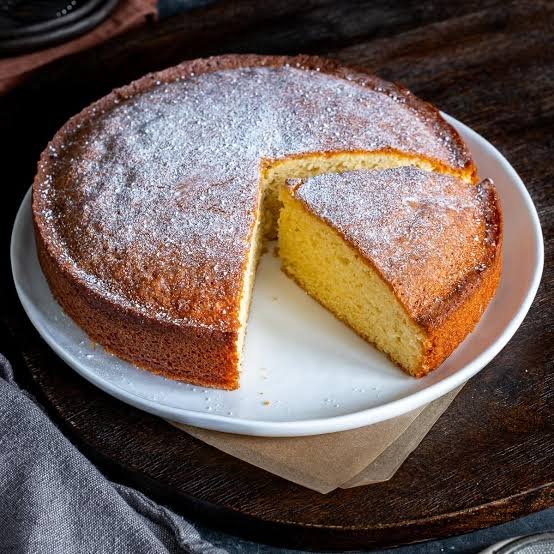
Sponge cake is one of the most popular and versatile desserts in the world. Known for its soft texture, delicate crumb, and light, airy structure, this classic cake is suitable for birthdays, weddings, family gatherings, afternoon tea, and everyday celebrations. Its simple ingredients and adaptable recipe make it a favorite among both beginner bakers and experienced pastry chefs. Whether served plain, decorated with fresh fruit, or layered with cream, a well-made sponge cake offers a delightful combination of flavor and texture.
Learning how sponge cake works can help you achieve consistently delicious results at home. From selecting the right ingredients to understanding baking techniques, a few essential tips can transform an ordinary recipe into a beautifully risen and tender cake.
What Is Sponge Cake?
Sponge cake is a type of cake that relies primarily on air incorporated into eggs to create a light and fluffy texture. Traditional recipes often include eggs, sugar, flour, and sometimes butter or other ingredients, depending on the variety. Unlike heavier cakes that depend on large amounts of fat, many sponge cakes use whipped eggs to provide structure and volume.
The defining feature of sponge cake is its delicate texture. When prepared correctly, the cake rises evenly during baking and develops a soft interior that feels light with every bite. Its relatively neutral flavor also makes it an excellent foundation for different fillings, toppings, and decorations.
Sponge cake recipes vary across countries and culinary traditions. Some versions use separated egg whites and yolks, while others whip whole eggs with sugar. Certain recipes include a small quantity of butter for richness, whereas others focus on achieving maximum lightness with minimal fat.
The Essential Ingredients for a Perfect Sponge Cake
The quality and preparation of the ingredients play a significant role in the final result. Although sponge cake requires only a few basic components, each ingredient has an important purpose.
Eggs
Eggs are the foundation of most sponge cake recipes. They provide structure, moisture, and stability while helping the cake rise. Whipping eggs incorporates tiny air bubbles into the mixture, creating the volume needed for a light texture.
Fresh eggs at a suitable temperature are generally easier to incorporate into a smooth batter. When a recipe calls for separating egg whites and yolks, make sure the whites remain free from grease and yolk, as this helps them form a stable foam.
Sugar
Sugar sweetens the cake while contributing to its soft texture. It also helps stabilize whipped eggs and supports the formation of a delicate crumb.
Adding sugar gradually when whipping eggs can help create a smooth, stable mixture. Measuring the correct quantity is important because excessive sugar can affect the cake’s structure and baking time.
Flour
Flour provides the structure that allows sponge cake to hold its shape. Cake flour is often preferred because its lower protein content can produce a tender crumb. However, ordinary all-purpose flour can also work well when handled carefully.
Sifting flour before adding it to the batter helps remove lumps and makes it easier to incorporate without losing too much air.
Butter and Flavorings
Some sponge cake recipes include melted butter to provide richness and a more rounded flavor. Vanilla extract, lemon zest, and other suitable flavorings can add character without overwhelming the cake’s natural taste.
When using melted butter, allow it to cool slightly before incorporating it according to the recipe. Adding it carelessly can deflate the batter and reduce the cake’s volume.
How to Make a Light and Fluffy Sponge Cake
Preparing sponge cake requires attention to mixing, temperature, and baking time. Following a reliable method can help you achieve a cake that rises evenly and remains tender after cooling.
Step 1: Prepare the Ingredients
Begin by measuring every ingredient accurately. Preheat the oven to the temperature specified in your recipe and prepare the cake pan as directed. Depending on the recipe, this may involve lining the base with baking paper or lightly greasing the pan.
Accurate preparation reduces interruptions once the batter is ready. Sponge cake batter can lose some of its incorporated air if left standing for too long.
Step 2: Whip the Eggs and Sugar
Place the eggs and sugar in a clean mixing bowl. Beat them until the mixture becomes pale, thick, and noticeably increased in volume. This stage is essential because the trapped air helps the cake rise.
The mixture should look smooth and leave a visible trail for a moment when the whisk is lifted. The exact time required depends on the mixer, egg temperature, and recipe.
Step 3: Fold in the Flour
Add the sifted flour gradually, folding it into the egg mixture with a spatula. Use gentle movements from the bottom of the bowl toward the top, turning the bowl as you work.
Avoid vigorous stirring because it can remove the air that gives sponge cake its characteristic texture. Continue only until the flour is incorporated and no obvious dry patches remain.
If your recipe includes butter, fold it in carefully at the recommended stage.
Step 4: Transfer the Batter to the Pan
Pour the batter into the prepared cake pan and spread it evenly. Avoid excessive tapping or banging of the pan, as rough handling may release some of the air bubbles.
Place the pan in the preheated oven promptly so the batter can begin setting while it still contains sufficient air.
Step 5: Bake Until Ready
Bake the cake according to your recipe’s recommended temperature and timing. Avoid opening the oven door too early because a sudden temperature change can interfere with the cake’s rise.
The cake is generally ready when it appears lightly golden, springs back gently when touched, and a skewer inserted into the center comes out clean or with a few dry crumbs.
Allow it to cool as directed before removing it from the pan. Proper cooling helps the cake maintain its structure and makes slicing easier.
Popular Types of Sponge Cake
One reason sponge cake remains popular is its versatility. Different methods and ingredients create cakes with distinctive textures and uses.
Classic Sponge Cake
Classic sponge cake offers a light crumb and a mild, pleasant flavor. It can be served with tea or coffee, dusted with powdered sugar, or paired with fruit preserves.
Its simplicity makes it suitable for everyday desserts as well as more elaborate celebrations.
Victoria Sponge
Victoria sponge is a traditional British-style cake commonly made with two cake layers filled with jam and cream. The cake itself is often richer than a very airy, fat-free sponge.
Its balanced combination of soft cake, sweet fruit filling, and creamy texture makes it a popular choice for afternoon tea and special occasions.
Swiss Roll Sponge
Swiss roll sponge is designed to remain flexible enough to roll after baking. It is usually baked in a shallow tray, spread with filling, and rolled into a spiral.
Jam, whipped cream, chocolate cream, and fruit fillings can all work well, depending on the recipe and desired flavor.
Chiffon Cake
Chiffon cake combines characteristics of sponge cake with the richness provided by oil. Whipped egg whites contribute air, while oil helps maintain a moist texture.
Although technically a distinct cake style, it shares many qualities with sponge cake and is valued for its soft, delicate crumb.
Common Sponge Cake Mistakes and How to Avoid Them
Even a simple sponge cake can be challenging when a few important techniques are overlooked.
One common problem is a cake that does not rise properly. This can happen when the eggs are insufficiently whipped, the batter is overmixed, or the oven temperature is incorrect. Following the recipe carefully and checking the oven temperature can help prevent these issues.
Another problem is a dense or rubbery texture. Excessive mixing after adding flour can develop gluten and remove air from the batter. Folding gently and stopping once the ingredients are combined helps preserve lightness.
A sunken center may result from opening the oven too early, underbaking the cake, or using an unsuitable oven temperature. Allow the cake to set before checking it and use the recipe’s recommended baking time as a guide.
Dryness is another concern. Overbaking can remove too much moisture, while inaccurate measurements may affect the balance of ingredients. Check the cake near the end of its expected baking time and avoid leaving it in the oven longer than necessary.
Creative Ways to Serve Sponge Cake
Sponge cake can be enjoyed in countless ways. For a simple dessert, serve individual slices with fresh strawberries, blueberries, or seasonal fruit. A light dusting of powdered sugar adds an attractive finish without requiring complicated decoration.
For celebrations, create a layered cake with whipped cream, fruit preserves, or chocolate filling. Smooth frosting, piped cream, and fresh fruit can make the finished cake look elegant and inviting.
Chocolate lovers may prefer cocoa-flavored sponge cake paired with chocolate ganache. Those who enjoy refreshing flavors can add lemon zest, citrus syrup, or a fruit-based filling.
Sponge cake can also become part of a trifle. Cut the cake into pieces and layer it with fruit, custard, and cream in a serving bowl. This approach is especially useful when presenting dessert to a group.
Choose fillings that complement the cake without overwhelming its delicate structure. If adding syrup, apply it sparingly so the sponge remains moist rather than soggy.
Storing Sponge Cake for Freshness
Correct storage helps maintain the cake’s texture and flavor. Once completely cooled, an unfilled sponge cake can generally be stored in an airtight container at room temperature for a short period, provided the environment is cool and suitable for food storage.
Cakes containing fresh cream, custard, or other perishable fillings should be refrigerated according to food-safety guidance. Cover the cake to prevent it from drying out or absorbing odors from other foods.
For longer storage, plain sponge cake can often be frozen. Wrap it securely once cooled and thaw it while still wrapped to help retain moisture. Add delicate toppings and fillings after thawing when practical.
Conclusion
Sponge cake is a timeless dessert that combines simple ingredients with rewarding baking techniques. Its light texture, adaptable flavor, and wide range of serving options make it suitable for everything from casual afternoon treats to elaborate celebration cakes.
The secret to a successful sponge cake lies in accurate measurements, properly whipped eggs, gentle folding, and careful baking. By understanding the purpose of each ingredient and avoiding common mistakes, home bakers can produce cakes that are soft, airy, and delicious.
Whether you prefer a classic plain sponge, a cream-filled Victoria sponge, or a creative fruit-layered dessert, this versatile cake offers endless opportunities to experiment. With practice and attention to detail, baking a perfectly fluffy sponge cake can become an enjoyable and reliable part of your kitchen routine.