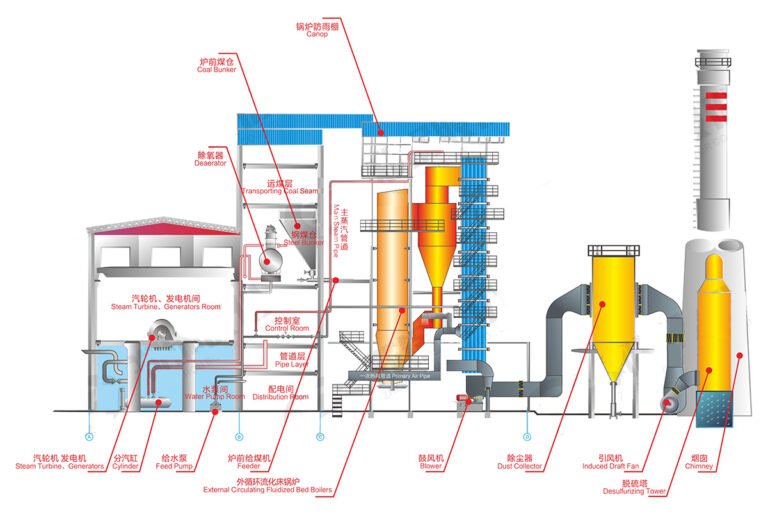



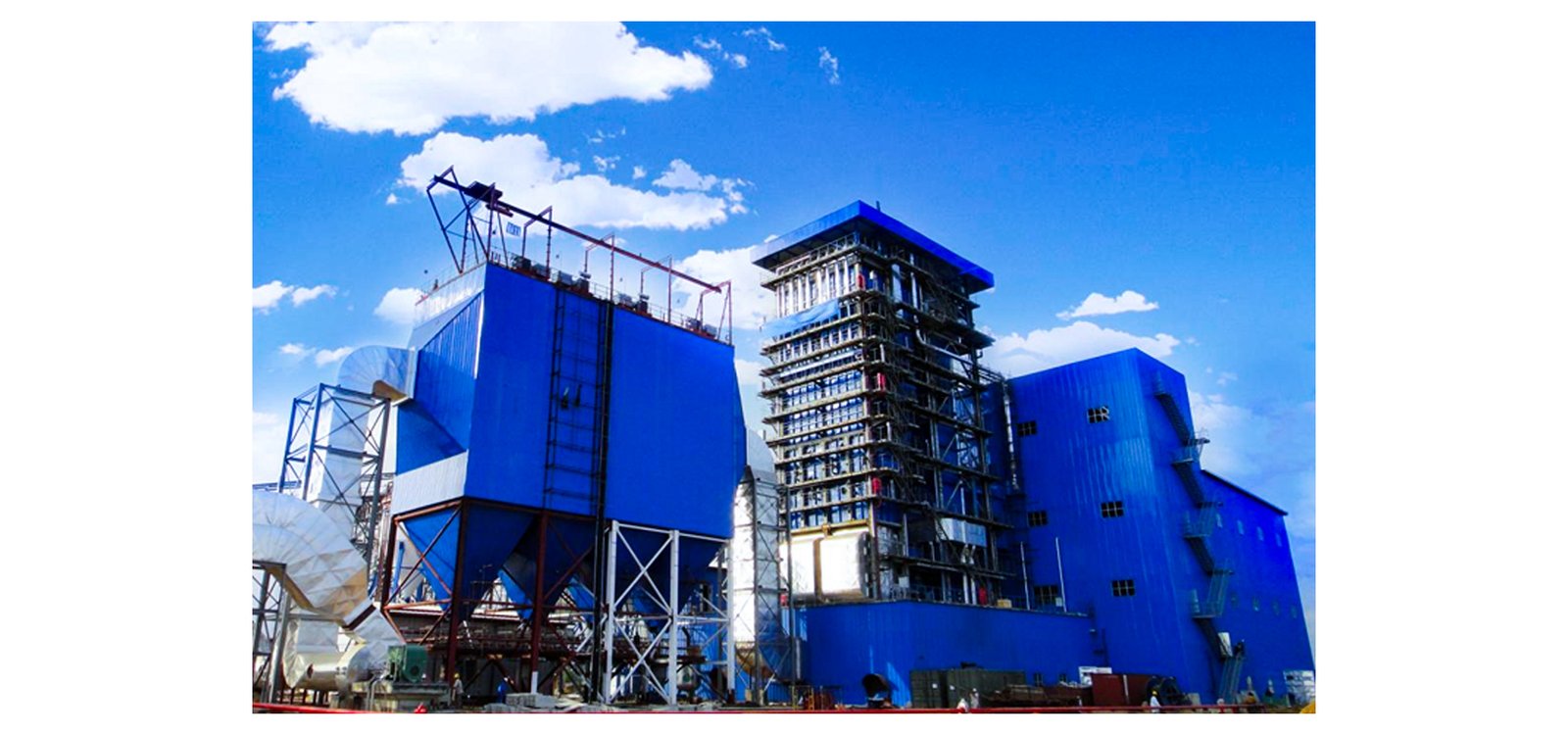
Installing equipment in a coal-fired power plant requires careful planning, technical expertise, and strict adherence to safety and operational standards. Efficient coal-fired power plant equipment installation is not just about placing machinery; it involves a systematic approach that ensures long-term reliability, optimal performance, and compliance with environmental and safety regulations. In this article, we explore the best practices for achieving a smooth and effective equipment installation process in coal-fired power plants.
Planning and Pre-Installation Strategies
Effective equipment installation in a coal-fired power plant starts long before the physical installation begins. Pre-installation planning is critical to reduce delays, avoid unnecessary costs, and ensure the safety of the installation team. A thorough review of project designs, specifications, and plant layouts is essential. This includes examining mechanical, electrical, and control systems, ensuring that all equipment aligns with the plant’s operational requirements.
Another key aspect of pre-installation planning is developing a detailed timeline for the project. This timeline should account for equipment delivery, site preparation, and resource allocation. Proper planning also involves identifying potential risks such as logistical delays, equipment compatibility issues, or safety hazards, and creating contingency plans to address these challenges.
Site Preparation and Safety Measures
Before starting the installation process, the coal-fired power plant site must be properly prepared. This includes clearing the installation area, ensuring stable foundations for heavy machinery, and confirming that all necessary tools and lifting equipment are available. Accurate measurement and alignment of foundations are crucial, as even minor deviations can affect the performance of turbines, boilers, and other essential plant equipment.
Safety measures are paramount during coal-fired power plant equipment installation. Personnel should undergo rigorous safety training, and all work should comply with local and international safety standards. This includes proper use of personal protective equipment (PPE), adherence to electrical and mechanical safety protocols, and continuous monitoring for hazardous conditions such as high-temperature surfaces, confined spaces, and exposure to coal dust.
Precision in Equipment Handling and Positioning
Coal-fired power plant equipment installation requires precise handling and positioning of heavy machinery. Cranes, hoists, and specialized transport vehicles are often necessary to move boilers, turbines, generators, and other critical components into place. Ensuring that equipment is correctly oriented and aligned according to design specifications is essential to prevent operational issues, reduce wear and tear, and maintain efficiency over the long term.
During installation, components should be checked for damage or defects before final positioning. Alignment tools, laser measurement devices, and calibration instruments are often employed to guarantee accuracy. Proper handling reduces the risk of misalignment, which can lead to vibrations, decreased efficiency, and premature failure of critical systems.
Integration with Existing Systems
Coal-fired power plant equipment installation is not an isolated task; it must consider the integration of new machinery with existing systems. This includes ensuring compatibility with electrical, control, and fuel supply systems. Integration planning should address how the new equipment will connect with existing piping, ductwork, and electrical networks.
Testing and commissioning play a vital role in integration. Once equipment is installed, thorough functional testing should verify that all systems operate correctly and efficiently. Any issues identified during commissioning should be resolved before the plant becomes fully operational, minimizing downtime and ensuring a smooth transition from installation to full-scale operation.
Quality Assurance and Documentation
Maintaining quality during coal-fired power plant equipment installation is essential for long-term reliability. All installation procedures should comply with industry standards and manufacturer guidelines. Regular inspections and audits help ensure that installation work meets quality expectations.
Documentation is also a crucial part of the installation process. Detailed records of equipment placement, alignment measurements, calibration results, and safety checks provide a reference for future maintenance and troubleshooting. Well-maintained documentation supports regulatory compliance and facilitates communication among engineering, operations, and maintenance teams.
Skilled Workforce and Training
The success of coal-fired power plant equipment installation largely depends on the expertise of the workforce. Hiring experienced engineers, technicians, and operators ensures that equipment is installed correctly and efficiently. Training programs should be implemented to keep the team updated on the latest installation techniques, safety procedures, and technological advancements.
Collaboration between different teams, such as mechanical, electrical, and civil engineers, is vital for resolving complex challenges during installation. Effective communication and teamwork reduce errors, improve efficiency, and enhance overall project outcomes.
Post-Installation Testing and Commissioning
Once coal-fired power plant equipment installation is complete, rigorous testing and commissioning are necessary to confirm operational readiness. Initial checks include verifying mechanical alignment, electrical connections, and control system functionality. Performance testing under controlled conditions ensures that all equipment meets design specifications and operates safely and efficiently.
Commissioning should also include stress testing, simulation of load conditions, and verification of safety systems. Proper documentation of commissioning results helps operators understand equipment behavior, anticipate maintenance needs, and optimize plant performance from the start.
Maintenance Planning and Long-Term Considerations
Efficient coal-fired power plant equipment installation goes hand-in-hand with long-term maintenance planning. Installing equipment with future maintenance accessibility in mind reduces downtime and repair costs. Clear labeling of components, provision of service access points, and documentation of critical parameters facilitate routine inspections and preventive maintenance.
Maintenance planning should also incorporate training for plant personnel to handle emergency repairs, routine servicing, and troubleshooting. Integrating maintenance considerations into the initial installation process enhances equipment longevity and ensures reliable power generation.
Conclusion
Coal-fired power plant equipment installation is a complex and critical process that requires meticulous planning, skilled execution, and strict adherence to safety and quality standards. By following best practices—such as thorough pre-installation planning, precise handling, system integration, rigorous testing, and maintenance preparation—power plants can achieve efficient and reliable operations. Focusing on these practices not only ensures optimal performance but also minimizes operational risks, reduces downtime, and supports long-term sustainability in energy production. Adopting these strategies allows coal-fired power plants to operate at peak efficiency while meeting the demands of modern energy needs.