

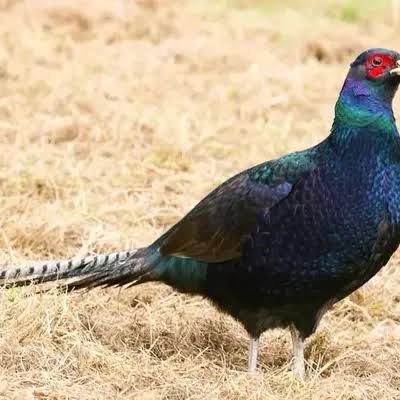
Ostrich eggs are fascinating because of their impressive size, distinctive shells, and many potential uses. Whether someone is interested in collecting unusual eggs, exploring educational projects, creating decorative displays, or learning about ostrich farming, finding an ostrich egg for sale requires careful consideration. Unlike pheasant for sale ordinary chicken eggs, ostrich eggs are less common and may involve specialized handling, transportation, and storage requirements.
Before making a purchase, buyers should understand the different types of ostrich eggs available, how to evaluate their quality, what questions to ask sellers, and which legal or practical factors may affect the transaction. Taking time to research these details can help ensure a suitable purchase and reduce the likelihood of disappointment.
Understanding the Different Types of Ostrich Eggs
The first step when searching for an ostrich egg for sale is identifying the intended purpose. Ostrich eggs may be offered for hatching, culinary use, educational activities, or decorative purposes. Each category has different requirements, so buyers should confirm exactly what the seller is offering.
Hatching eggs are intended for incubation and potentially producing ostrich chicks. Buyers interested in this option should prioritize eggs from healthy breeding birds and reputable farms. However, even a carefully selected egg may not hatch successfully because fertility, handling, storage, and incubation conditions all influence the outcome.
Unfertilized eggs are generally unsuitable for producing chicks but may be used for culinary purposes, subject to food safety requirements. Their freshness, cleanliness, and storage history are particularly important.
Decorative eggshells are another option for collectors, artists, and craft enthusiasts. Some sellers offer intact shells, while others provide cleaned, emptied, or decorated examples. These products should be clearly described so buyers understand whether they are purchasing a complete egg, an empty shell, or a prepared decorative item.
Understanding these distinctions helps prevent misunderstandings and makes it easier to compare suitable products.
Evaluate the Egg’s Quality and Condition
Quality should be a primary consideration when purchasing an ostrich egg. Although ostrich eggs have thick, strong shells, they can still develop cracks or other damage during collection, storage, and transportation.
For hatching eggs, buyers should ask whether the shell has visible cracks, unusual damage, or signs of improper handling. Even small defects can affect the egg’s suitability for incubation. Sellers should explain how eggs are collected and stored before dispatch.
For decorative purchases, shell condition is equally important. An intact shell may be more appropriate for display, while a prepared shell might be better for painting, carving, or other craft projects. Buyers should request a clear description of any repairs, imperfections, or alterations.
For culinary use, the egg must come from an appropriate food-producing source and be handled under suitable food safety conditions. Buyers should confirm its freshness, storage history, and suitability for consumption rather than assuming that a visually clean shell guarantees a safe product.
Choose a Reputable and Responsible Seller
Finding a reliable seller is one of the most important steps in the buying process. Ostrich eggs are specialized products, and not every seller provides the same level of information, care, or customer support.
Reputable sellers should be able to explain the egg’s origin, intended purpose, handling history, and relevant condition details. If the egg is advertised for hatching, the seller should also explain the breeding source and any available information about fertility.
Ostrich farms, established poultry suppliers, and specialist breeders may be useful starting points. Buyers should look for clear product descriptions, consistent communication, transparent policies, and reasonable answers to questions.
Be cautious when a seller makes unrealistic guarantees, refuses to explain the product’s origin, or provides contradictory information. A seller who promises that every hatching egg will produce a healthy chick is making a claim that cannot reliably be guaranteed.
Customer reviews may provide additional insight, although they should not be the only factor influencing a purchase decision. A combination of transparent communication, relevant experience, and clear terms offers a stronger basis for evaluating a seller.
Consider Size, Weight, and Intended Use
Ostrich eggs are considerably larger than chicken eggs, making their dimensions an important consideration for storage, transportation, and display.
A typical ostrich egg weighs approximately 1.2 to 1.8 kilograms, although individual eggs vary. Its size can make packaging more complicated than that required for ordinary poultry eggs.
For collectors, the appearance and dimensions of the egg may determine whether it suits a particular display or collection. Artists may be more concerned with shell thickness, surface condition, and whether the shell has already been emptied.
For culinary buyers, the large quantity of egg contents should also be considered. One ostrich egg can provide a substantial amount of food, so planning for preparation, refrigeration, and safe use is essential.
Before ordering, confirm the approximate measurements and weight with the seller. This information can help determine whether the egg will fit the intended storage space, packaging, or display arrangement.
Understand Pricing and Additional Costs
The price of an ostrich egg depends on several factors, including its intended purpose, quality, availability, source, and location. Hatching eggs may have different prices from culinary eggs or empty decorative shells.
Rather than choosing the cheapest available option immediately, buyers should compare what each seller includes in the price. A seemingly inexpensive egg may require additional payment for specialized packaging, shipping, insurance, or preparation.
Shipping costs can be particularly important because ostrich eggs are large and fragile. Protective packaging may increase the overall expense, but appropriate packing is essential for reducing the risk of damage.
Buyers should request a complete price breakdown before confirming an order. It is also sensible to ask about the seller’s policy if an egg arrives damaged or does not match its description.
Comparing the total cost, product condition, seller reliability, and delivery arrangements provides a more useful picture of value than comparing the listed price alone.
Check Legal Requirements and Ethical Considerations
Before purchasing an ostrich egg, buyers should determine whether any local regulations apply. Rules can differ depending on the country, the egg’s origin, its intended use, and whether it is being transported across borders.
Some transactions may require documentation relating to animal health, commercial farming, food safety, importation, or exportation. Requirements may be especially relevant when buying fertile eggs intended for hatching.
Buyers should check applicable regulations before arranging international shipping. They should also confirm whether the seller can provide any documentation required by the relevant authorities.
Ethical sourcing deserves attention as well. Purchasing from responsible farms that maintain suitable conditions for their breeding birds supports more conscientious animal management.
For hatching projects, prospective owners should consider whether they have suitable facilities, appropriate expertise, and access to veterinary support before ordering. Ostriches grow into large birds with specialized space, nutrition, and management requirements. Buying a fertile egg should therefore be part of a realistic long-term care plan.
Pay Attention to Packaging and Delivery
Proper transportation is essential because ostrich eggs can be damaged by impact, pressure, and unsuitable handling. Their large size means that ordinary egg cartons are generally inappropriate.
Before ordering, ask how the seller prepares eggs for shipment. Suitable protective packaging should keep the egg secure, limit movement, and provide cushioning against routine handling during transit.
Buyers should also clarify the estimated delivery period and any special instructions for receiving the package. If an egg is intended for incubation, transportation and storage arrangements should be discussed with the seller because unsuitable conditions may reduce hatchability.
Inspect the package promptly upon arrival. If visible damage is present, document the condition and contact the seller according to the agreed return or damage-reporting policy.
For fragile or time-sensitive purchases, clear communication between the buyer and seller can help prevent avoidable problems.
Ask Important Questions Before Buying
A few straightforward questions can help buyers make a more informed decision. Before placing an order, consider asking:
- Is the egg intended for hatching, eating, or decoration?
- Where did the egg originate?
- How was it collected, stored, and handled?
- Are its dimensions and approximate weight available?
- What packaging will be used for transportation?
- Are any permits or additional documents required?
- What happens if the egg arrives damaged?
- Are there any restrictions on returns, refunds, or replacements?
The answers should be clear and consistent with the product description. If important details remain uncertain, buyers may benefit from comparing other sellers before committing to a purchase.
Prepare for Proper Storage and Handling
Once an ostrich egg has been purchased, appropriate handling becomes important. The correct approach depends on its intended use.
Hatching eggs require specialized storage and incubation procedures. Buyers should obtain guidance from an experienced breeder or qualified poultry professional instead of assuming that ordinary chicken egg practices will always be suitable.
Culinary eggs should be handled according to food safety guidance, including appropriate refrigeration where required, clean preparation practices, and thorough cooking. Buyers should not consume an egg if its safety or storage history is uncertain.
Decorative shells should be handled carefully to prevent accidental breakage. A stable display surface and suitable protective case can help preserve the shell, especially in homes, classrooms, or exhibition spaces.
Planning for storage before the egg arrives helps maintain its condition and supports its intended purpose.
Conclusion
Finding an ostrich egg for sale can be an exciting experience for collectors, culinary enthusiasts, artists, and aspiring ostrich keepers. However, a successful purchase depends on more than finding an available product. Buyers should understand the different types of eggs, evaluate quality, choose responsible sellers, compare total costs, and confirm transportation and legal requirements.
It is equally important to match the egg to its intended purpose. Hatching eggs require careful planning and specialized knowledge, culinary eggs demand appropriate food safety practices, and decorative shells need suitable handling and storage.
By asking informed questions and reviewing the seller’s terms before purchasing, buyers can make more confident decisions. Careful preparation helps ensure that an ostrich egg meets expectations while supporting responsible sourcing, safe handling, and a more satisfying buying experience.