Modern life depends heavily on electronic devices. From smartphones and laptops to televisions, gaming systems, home appliances, networking equipment, and smart home products, electronics have become essential in both homes and workplaces. However, these devices can be vulnerable to sudden changes in electrical power. Voltage spikes, surges, and unstable electrical conditions can damage sensitive components, reduce equipment life, or cause unexpected failures. A Surge Protector provides an important layer of protection by helping manage sudden increases in electrical voltage.
Understanding how surge protection works and why it matters can help consumers make better decisions when setting up their homes, offices, and electronic systems. Although no device can eliminate every electrical risk, a properly selected Surge Protector can significantly improve protection against certain types of power disturbances.
Understanding Electrical Surges
An electrical surge is a short-duration increase in voltage within a power system. Under normal circumstances, electronic devices are designed to operate within a specific voltage range. When the voltage suddenly rises above that range, sensitive components can experience excessive electrical stress.
Surges can happen for several reasons. Lightning is one well-known cause, especially when it strikes power infrastructure or nearby electrical systems. However, smaller surges can also occur when large appliances switch on and off. Equipment such as air conditioners, refrigerators, motors, and industrial machinery can create changes in electrical conditions as they operate.
Even relatively small and repeated surges may contribute to gradual wear on electronic components. This makes power protection useful not only during dramatic electrical events but also as part of a broader strategy for protecting valuable equipment.
How a Surge Protector Works
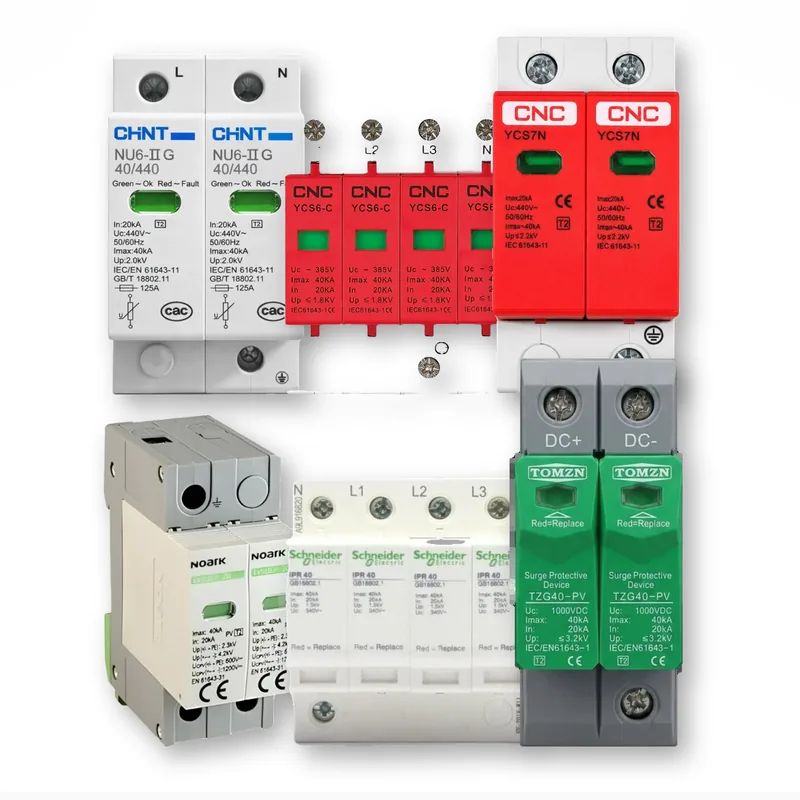
A Surge Protector is designed to limit excessive voltage and direct unwanted electrical energy away from connected equipment. Many surge protectors use components such as metal oxide varistors, commonly known as MOVs, to help respond when voltage rises beyond a certain level.
During normal operation, the protective component allows electricity to reach connected devices. When an abnormal voltage increase occurs, the component changes its electrical behavior and helps divert excess energy. This reduces the amount of damaging voltage that reaches the equipment.
The effectiveness of a Surge Protector depends on its design, specifications, quality, and intended application. A basic power strip should not automatically be considered equivalent to a properly rated surge protection device. Consumers should examine product specifications rather than relying only on appearance or the number of outlets.
Protecting Computers and Workstations
Computers contain delicate electronic components that can be affected by electrical disturbances. Motherboards, power supplies, storage devices, monitors, and other components depend on stable electrical conditions.
Using a Surge Protector with a desktop computer and related equipment can provide an additional layer of defense against certain voltage spikes. This can be especially useful for workstations that contain important files, expensive components, or specialized equipment.
For home offices, a Surge Protector can also protect connected accessories such as monitors, printers, speakers, routers, and external storage devices. Keeping multiple pieces of equipment protected through an appropriate power solution can simplify cable management while improving overall electrical protection.
Safeguarding Home Entertainment Equipment
Modern entertainment systems often include several interconnected electronic devices. A typical setup might contain a television, streaming device, game console, sound system, media player, and network equipment.
Because these devices can be expensive and contain sensitive circuitry, protecting them from electrical disturbances is an important consideration. A suitable Surge Protector can help reduce the risk associated with certain power spikes reaching connected equipment.
It is also important to remember that electrical energy can potentially enter equipment through multiple pathways. Depending on the installation and equipment involved, connections such as network, telephone, antenna, or other cables may create additional pathways for electrical disturbances. A comprehensive protection strategy should therefore consider the entire system rather than focusing only on the wall outlet.
Supporting Smart Home Technology
Smart homes rely on an increasing number of connected electronic devices. Smart speakers, security cameras, hubs, displays, networking equipment, lighting controllers, and automated appliances all depend on electronic circuits.
Many of these devices remain powered continuously. A Surge Protector can help provide additional protection for appropriate equipment connected to a power outlet.
This becomes particularly valuable when several important devices share a centralized location. For example, a home network may include a modem, router, network switch, storage device, and security system. Protecting this group of equipment can help reduce the potential impact of certain electrical events.
Why Surge Protection Matters for Businesses
Businesses often depend on electronic equipment for daily operations. Computers, servers, point-of-sale systems, communication equipment, printers, and networking infrastructure can all be important to productivity.
An electrical disturbance that damages equipment can lead to repair costs, replacement expenses, and interruptions to normal operations. A Surge Protector can form one part of a broader electrical protection plan.
For critical business systems, however, surge protection should not be treated as the only safeguard. Organizations may also consider uninterruptible power supplies, voltage regulation, proper grounding, backup systems, and professional electrical assessments depending on their requirements.
Choosing the Right Surge Protector
Not every Surge Protector offers the same level of protection. Buyers should consider several specifications before making a purchase.
One important factor is the joule rating. In general, a higher joule rating indicates that the device is designed to absorb more surge energy over its rated lifespan. However, this number should not be considered in isolation.
Clamping voltage, response characteristics, protection modes, maximum load, certification, and warranty information can also matter. Consumers should select products from reputable manufacturers and verify that the device is appropriate for the electrical system in their location.
The number of outlets is another practical consideration. A product with many outlets may be convenient, but consumers should avoid overloading it. Electrical equipment should always be operated within the manufacturer’s specified limits.
Surge Protectors and Maintenance
Surge protection is not necessarily a permanent guarantee of protection. Protective components can degrade after absorbing significant electrical events. Some products include indicator lights that show whether their protective circuitry is still functioning.
Users should regularly inspect their equipment for signs of damage, overheating, unusual odors, or other problems. A Surge Protector that has experienced a major electrical event may need replacement even if connected devices appear to be working normally.
Following manufacturer instructions is essential because different products have different operating limitations and replacement recommendations.
Understanding the Limits of Protection
A Surge Protector can be valuable, but it is important to understand what it cannot do. It cannot guarantee protection against every possible electrical event. Extremely powerful surges, improper wiring, poor grounding, and direct lightning strikes can present risks beyond the capabilities of a typical consumer product.
For homes and businesses in areas with frequent electrical problems or severe weather, professional electrical advice may be appropriate. A qualified electrician can assess grounding, wiring, panels, and other elements of the electrical system.
Building a Safer Electronic Environment
Protecting electronic equipment works best as part of a broader strategy. Users should combine appropriate Surge Protector products with safe electrical practices, quality wiring, proper grounding, suitable circuit protection, and responsible equipment use.
It is also wise to avoid connecting too many high-power appliances to a single outlet or power strip. Devices that generate substantial electrical loads may require dedicated circuits or other solutions rather than simply adding another power strip.
Conclusion
Electronic devices are increasingly important in everyday life, making electrical protection more relevant than ever. A Surge Protector can help reduce the effects of certain sudden voltage increases and provide an additional layer of protection for computers, entertainment systems, networking equipment, smart home technology, and business electronics.
The best results come from choosing a properly rated product, understanding its specifications, using it within its limits, and replacing it when necessary. Surge protection should also be combined with sound electrical practices and appropriate professional guidance where needed.
As homes and workplaces continue to become more dependent on sophisticated electronics, taking simple steps to manage electrical risks can help protect valuable equipment and support greater reliability. A Surge Protector is therefore a practical component of a broader approach to keeping modern electronic systems safer and more dependable.