

Teaching English overseas is one of the most exciting and rewarding career paths available to South Africans. Whether you dream of working in Asia, Europe, the Middle East, or South America, getting a TEFL Certification is the first and most important step toward making that dream a reality.
This complete guide explains everything South Africans need to know about TEFL Certification — from what it is and why it matters to how to choose the right course and find work abroad.
What Is TEFL Certification?
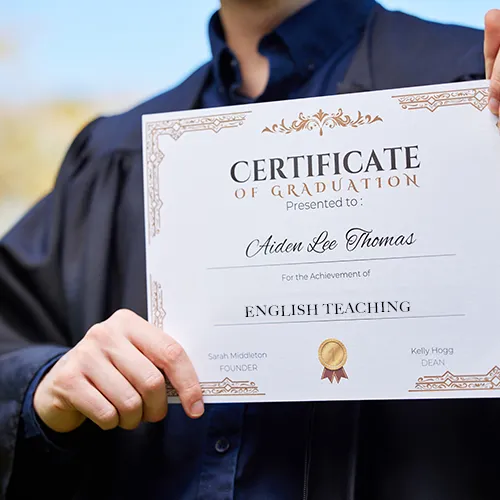
TEFL stands for Teaching English as a Foreign Language. A TEFL Certification is a professional qualification that prepares you to teach English to non-native speakers in countries where English is not the primary language.
The certification provides training in:
- English grammar and language structure
- Classroom management
- Lesson planning
- Teaching methodologies
- Teaching young learners and adults
- Online teaching skills
For South Africans, a TEFL Certification opens the door to thousands of international teaching opportunities. Many countries require this qualification as a minimum standard for hiring foreign English teachers.
Why South Africans Are in High Demand
South Africans are highly sought after in the global ESL (English as a Second Language) market for several reasons:
Native or Fluent English Proficiency
South Africa has English as one of its official languages, and many citizens speak it fluently. Schools abroad value clear pronunciation and strong communication skills.
Strong Work Ethic
South Africans are known for adaptability, resilience, and professionalism — all qualities that schools appreciate.
Cultural Flexibility
Growing up in a multicultural society gives South Africans an advantage when working in diverse international environments.
With a recognized TEFL Certification, South Africans become competitive candidates in countries like China, South Korea, Vietnam, Thailand, Spain, and the UAE.
Do You Need a Degree to Teach Abroad?
This is one of the most common questions.
The answer depends on the country:
- Asia (China, South Korea, Vietnam) – Many schools require a bachelor’s degree plus TEFL Certification.
- Thailand and Cambodia – Some schools hire teachers without degrees if they have TEFL Certification.
- Online Teaching – Many companies only require TEFL Certification and strong English skills.
- Europe and Middle East – Usually require both a degree and TEFL Certification.
If you do not have a university degree, you can still find opportunities, especially in online teaching or specific countries with more flexible requirements.
Types of TEFL Certification Courses
Not all TEFL Certification programs are the same. Understanding the differences will help you choose the right one.
Online TEFL Certification
This is the most popular option for South Africans because it is affordable and flexible. You can complete the course at your own pace from home.
Benefits include:
- Lower cost
- Flexible study schedule
- Accessible from anywhere in South Africa
Make sure the course is at least 120 hours, as this is the global standard.
In-Class TEFL Certification
This option involves face-to-face training over several weeks. It often includes real classroom teaching practice.
Benefits include:
- Practical teaching experience
- Immediate feedback from trainers
- Stronger CV appeal in some markets
However, it is more expensive and requires physical attendance.
Combined TEFL Certification
Some providers offer a hybrid model: online theory plus in-person teaching practice. This gives you flexibility while still providing practical experience.
What to Look for in a TEFL Certification Course
Choosing the right TEFL Certification is crucial. Here are key factors to consider:
Course Length
A minimum of 120 hours is recommended. Shorter courses may not be accepted by employers.
Accreditation
Ensure the TEFL Certification is internationally recognized and accredited. Employers often check the legitimacy of your qualification.
Teaching Practice
Courses that include practical teaching components can strengthen your job applications.
Job Placement Assistance
Some TEFL providers offer job guidance, interview preparation, and placement support, which can be very helpful for first-time teachers.
How Much Does TEFL Certification Cost in South Africa?
Costs vary depending on the provider and format.
- Online TEFL Certification: R2,000 – R8,000
- In-class TEFL Certification: R15,000 – R30,000
While price matters, the cheapest course is not always the best. Focus on quality, accreditation, and course content.
Remember, TEFL Certification is an investment in your international career.
Where Can South Africans Teach With TEFL Certification?
Once you have your TEFL Certification, the world opens up. Popular destinations include:
Asia
Asia offers the highest demand and competitive salaries.
- China
- South Korea
- Japan
- Vietnam
- Thailand
Many schools provide free accommodation, flight reimbursement, and health insurance.
Middle East
Countries like the UAE and Saudi Arabia offer tax-free salaries. However, they usually require a degree in addition to TEFL Certification.
Europe
Spain, Italy, and Poland are popular options. Salaries may be lower than in Asia, but the cultural experience is incredible.
Online Teaching
You can work from home in South Africa and teach students in China, Japan, or Europe. Online teaching requires TEFL Certification and a stable internet connection.
The Application Process for Teaching Abroad
Once you complete your TEFL Certification, the next step is applying for jobs.
Prepare Your CV
Highlight:
- Your TEFL Certification
- Any teaching experience
- Volunteer work
- Communication skills
Gather Required Documents
Most schools require:
- TEFL Certification certificate
- Passport
- Degree (if required)
- Police clearance
- Medical check
Attend Interviews
Interviews are often conducted online. Schools may ask you to perform a short demo lesson.
Benefits of Getting TEFL Certification
TEFL Certification offers more than just job eligibility.
International Travel
Live and work in new countries while earning a salary.
Financial Savings
In countries like China or South Korea, teachers can save a significant portion of their salary due to low living costs and provided accommodation.
Career Flexibility
TEFL Certification allows you to:
- Teach abroad
- Teach online
- Work in private language schools
- Start your own tutoring business
Personal Growth
Living abroad builds independence, cultural awareness, and confidence.
Can TEFL Certification Lead to a Long-Term Career?
Absolutely.
Many South Africans begin teaching as a short-term adventure but turn it into a long-term career. With experience, you can move into:
- Senior teacher roles
- Academic management
- Teacher training
- Curriculum development
- International school teaching
Some teachers later pursue advanced qualifications like CELTA or DELTA to expand their opportunities further.
Common Myths About TEFL Certification
You Must Speak Another Language
False. You are hired to teach English, not the local language.
Only Young People Can Teach Abroad
Incorrect. Many schools welcome mature teachers with life and work experience.
TEFL Certification Is Only for Overseas Jobs
Not true. You can also teach online or tutor privately in South Africa.
Final Thoughts
For South Africans who dream of working overseas, TEFL Certification is the gateway to a global career. It provides the skills, confidence, and qualification needed to teach English anywhere in the world.
Whether you want to explore Asia, experience Europe, earn tax-free income in the Middle East, or teach from your laptop at home, TEFL Certification gives you the flexibility to design your own path.